Vucic: Pensions Up 10%+ in 2027 if Growth Tops 4.2%
At a rally in Sabac, Vucic promised pension rises above 10% in 2027, but only if the economy grows more than 4.2%. Pensions rise 7.5% from December 1, 2026.
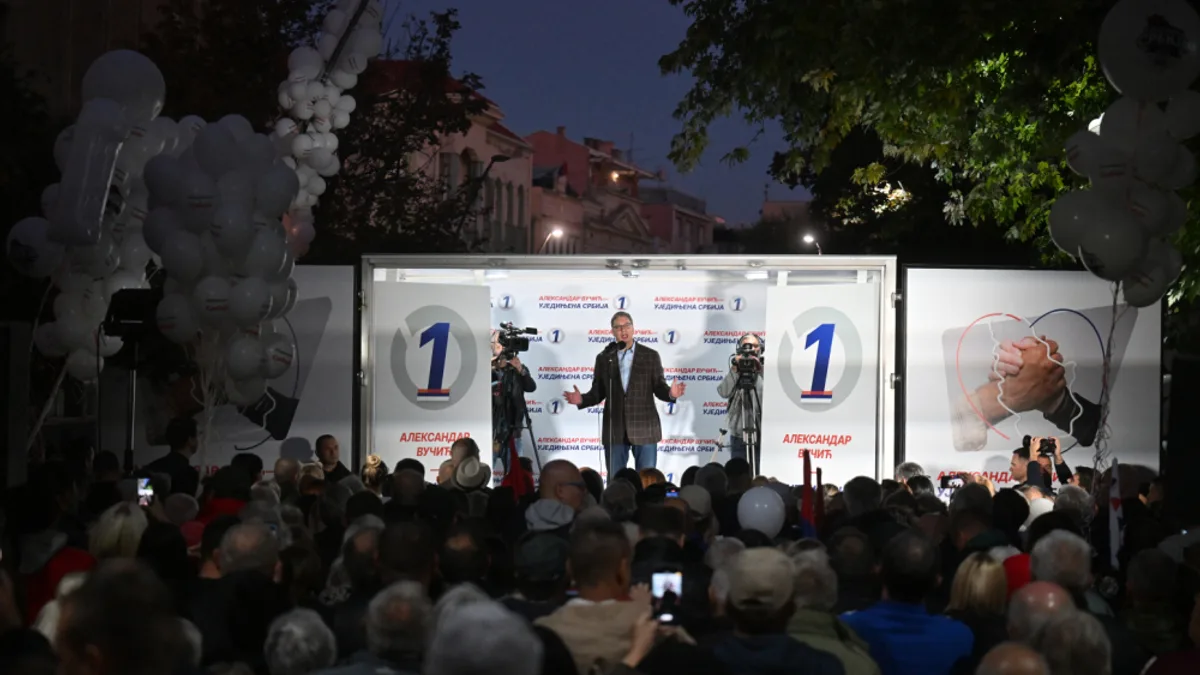
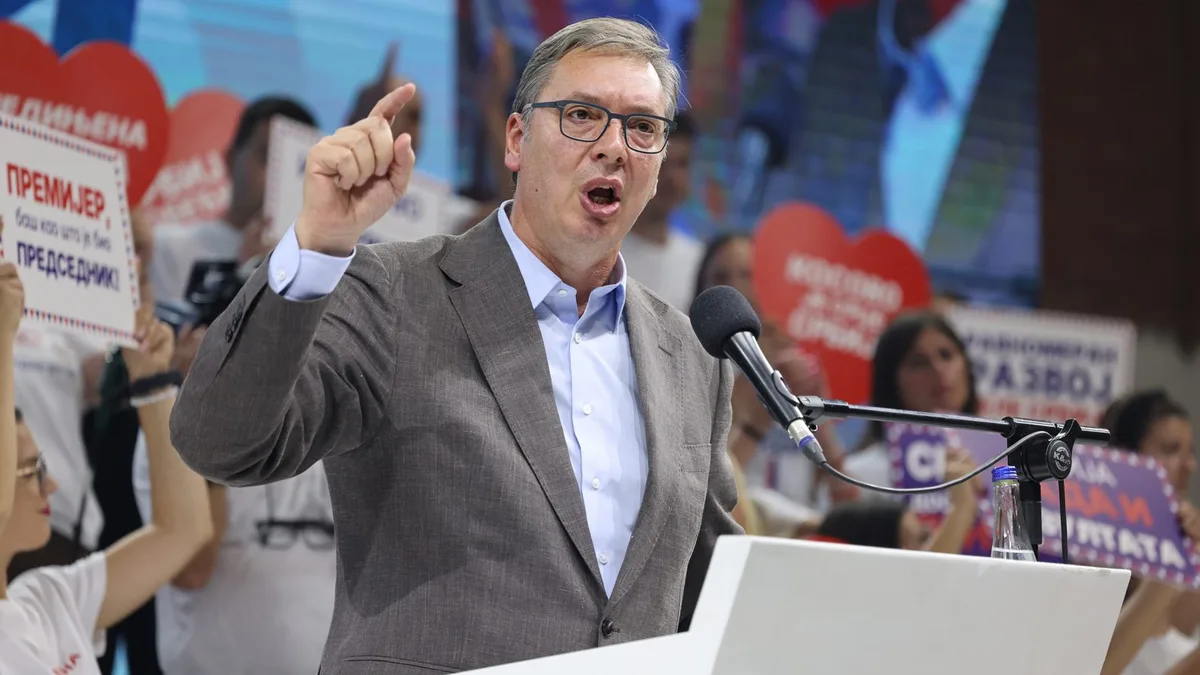
Pensions will rise by more than 10% in 2027 if gross domestic product (GDP) growth exceeds 4.2%, Aleksandar Vucic, head of the “Aleksandar Vucic, United Serbia” list, said on October 14, 2026 at a campaign rally in Sabac. It is a conditional campaign pledge, not an adopted decision, and elections are set for October 25.
What exactly was promised to pensioners?
Vucic addressed pensioners directly at the rally:
“I want to fight for every person. I want to fight for every pensioner, and I tell pensioners: next year, if our growth rate is over 4.2, you will have a pension increase of over 10 percent. Pensions will follow wages, and wages will grow significantly.”
A rise of more than 10% would be over 2.5 percentage points above the increase already announced for December 2026. The reported statement does not say by what mechanism pensions would be adjusted, and no GDP growth projection for 2027 was given, so it is impossible to judge how close the condition is to being met. At the same rally Vucic also promised that the average wage in Sabac and Loznica would exceed 1,450 euros within four years, without saying what it is today.
What is already announced for December and January?
According to an overview published by the newspaper Novosti, these increases apply from December 1, 2026:
- pensions rise 7.5%
- wages across the public sector rise 8%
- employees in the social welfare system get a 12% increase
The minimum net wage reaches 600 euros on January 1, 2027. Novosti reports that it would then cover 117% of the minimum consumer basket, against 61.5% in 2012. The same paper cites a goal of an average wage of 1,400 euros by the end of 2027, which is below the 1,450 euro threshold Vucic set for Sabac and Loznica over a four-year horizon. The tax burden on wages, per the same overview, fell from 64% in 2017 to 59.7% in 2026.
What does the finance minister say about today’s pensions?
On the same day, Sinisa Mali, the finance minister, gave figures on incomes in a televised debate with representatives of three other lists. He put the average pension from December at 520 euros, which, in his words, is more than double the level before 2012:
“Life is better today than 12 years ago. If you look at all the parameters, say, in July the average wage in Serbia was 1,034 euros, and compared with July last year it was 11.3% higher in nominal terms, 9.2% higher in real terms. Real means above the inflation level, which is a real rise in the standard of living. In their time, the wage was 330 euros. If you look at the pension today, the average from December 1 will be 520 euros; it was 204 euros until 2012. If you look at the minimum wage, say, in their time it was 15,700 dinars, and now from January 1 it is 600 euros.”
Two figures do not match here. Mali gives an average July wage of 1,034 euros, while Novosti cites an average net wage of 140,850 dinars, or 1,200 euros, for 2026, and the sources do not explain the difference in coverage or period.
Mali tied pensions to wages and warned about the consequences of the rival list’s policy:
“Pensions follow wages, and the blockader list will cut wages, and with them pensions. On top of that, inflation will eat the dinar.”
During the debate an objection was raised that pensions had been cut in the past. Mali stood by his position that it was fiscal stability that made the later growth in incomes possible.
What remains open until October 25?
Three figures are on the table before the vote: the 7.5% increase from December 1, 2026, the average pension of 520 euros cited by Mali, and the conditional pledge for 2027. The last one depends on growth that has yet to materialize, and there are no official data on it at the time of publication.