

Russian Gas 2027: Slovakia, Hungary Seek EU Flexibility
Slovak Deputy Prime Minister Denisa Sakova treats the 2027 deadline as settled, but wants to talk about EU money for oil and gas infrastructure in the V4 region.
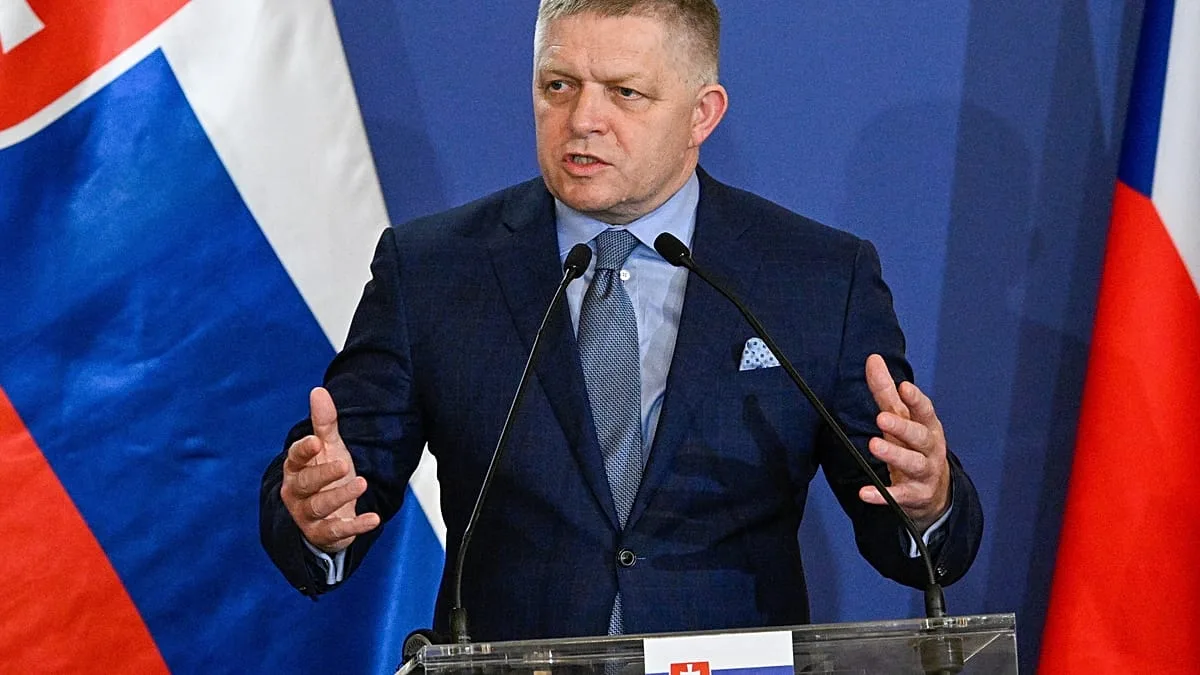
Slovakia and Hungary asked the European Commission on Monday, October 19, for more flexibility in the rules under which the EU is phasing out Russian gas imports, even as the Slovak deputy prime minister spoke of the 2027 deadline as a done deal. Denisa Sakova made the remarks in Bratislava, at a press conference attended by EU Energy Commissioner Dan Jorgensen.
Under the EU plan, Russian energy deliveries to Central Europe are to end in 2027. The European Commission adopted its legislative proposal to phase out Russian gas and oil imports on June 17, 2025. Bratislava and Budapest argue that being landlocked and dependent on existing supply routes makes diversification costlier and harder for them than for other member states.
What exactly are Bratislava and Budapest asking for?
The request has two parts: softer rules on the phase-out and money for infrastructure. No formal request for funds has been filed. Sakova called for talks with the Commission on how the next budget period could cover the expansion of oil and gas infrastructure in the Visegrad Group region, which comprises Hungary, Slovakia, the Czech Republic and Poland:
We would like to discuss with the European Commission how the next EU funding period and the availability of EU funds can respond to our needs, especially regarding the expansion of oil and gas infrastructure in the Visegrad Four region.
The Slovak deputy prime minister then set out what she needs ahead of the deadline:
From 2027 we will not be able to import gas from Russia, and we would like to sign new diversification contracts. Diversification and energy security mean we must have rules prepared for oil and gas supply for the V4 region.
Bratislava also said it was once an entry point for Russian oil and gas, and that it now risks becoming, together with Hungary, the end of a new route. The group has access to several alternative sources and routes that bypass Russia, but at a higher price and with varying levels of connectivity among the four countries.
How did Commissioner Jorgensen respond?
Jorgensen described the situation of Central European households as serious and argued for targeted, temporary measures that would not undermine the EU goal of cutting dependence on fossil fuel imports. No change to the deadline was announced at the press conference. The commissioner said:
We used to be dependent on Russia. We are moving away from that. Now that is good. But the current situation shows that we are now dependent on the global market, and events in the Middle East can affect citizens here in Bratislava.
Electricity prices in the background
The Bratislava request follows pressure from the Visegrad Group on EU leaders at the summit on October 15 and 16. They called for:
- measures to lower electricity bills
- more flexibility in the review of the ETS emissions trading system
- a delay of the system’s second phase, ETS2, until 2030
Energy prices have been pushed up further by the war of the United States and Israel against Iran. According to the analytical organization Ember, wholesale forward electricity prices in Central Europe are more than 60% above their level before the energy crisis. The four countries say such prices make it harder for their industries to commit to electrification investments.
The dispute before the EU court
Besides its requests to Brussels, Hungary is also pursuing a legal route. Under the government of Viktor Orban, now a former prime minister, it brought a case before the EU court against the plan to end Russian imports. Slovakia backs the case, arguing that a cutoff of deliveries would leave its industry at a considerably greater disadvantage than industry in most other member states. The court’s first ruling is expected in a few months.


