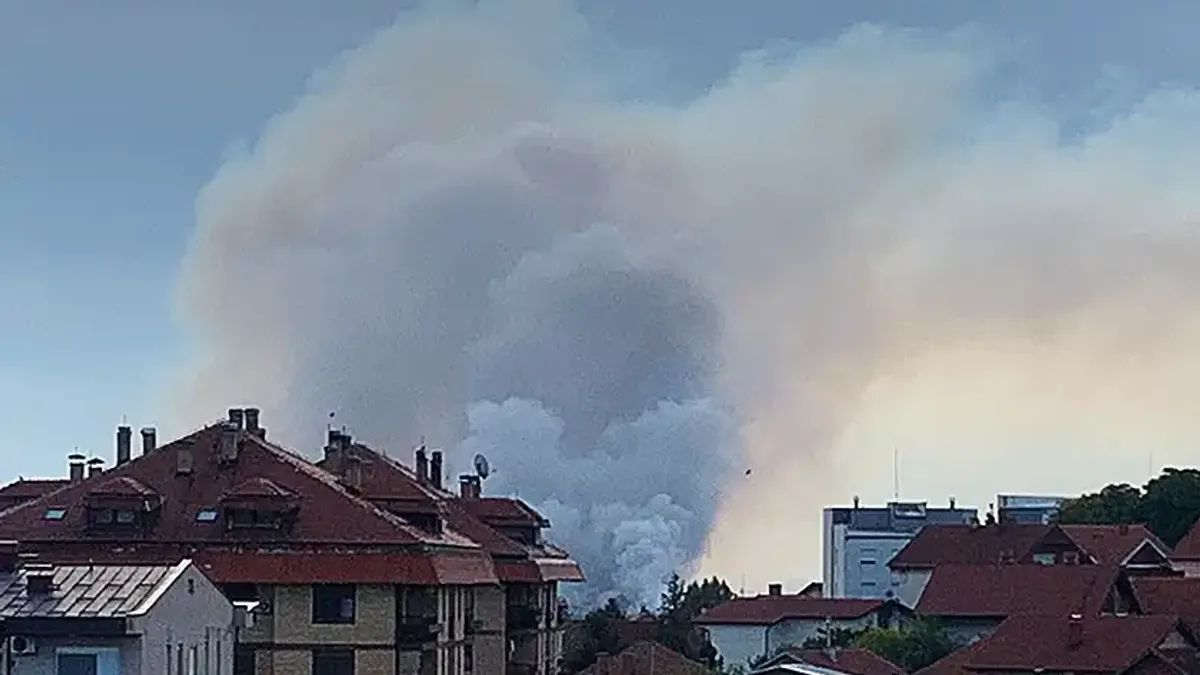
Smederevo Plans Eight New State Fuel Tanks on the Danube
The Republic Directorate for Commodity Reserves plans eight tanks of 20,000 m³ each by the Danube. The urban design project is open for public review until November 11.
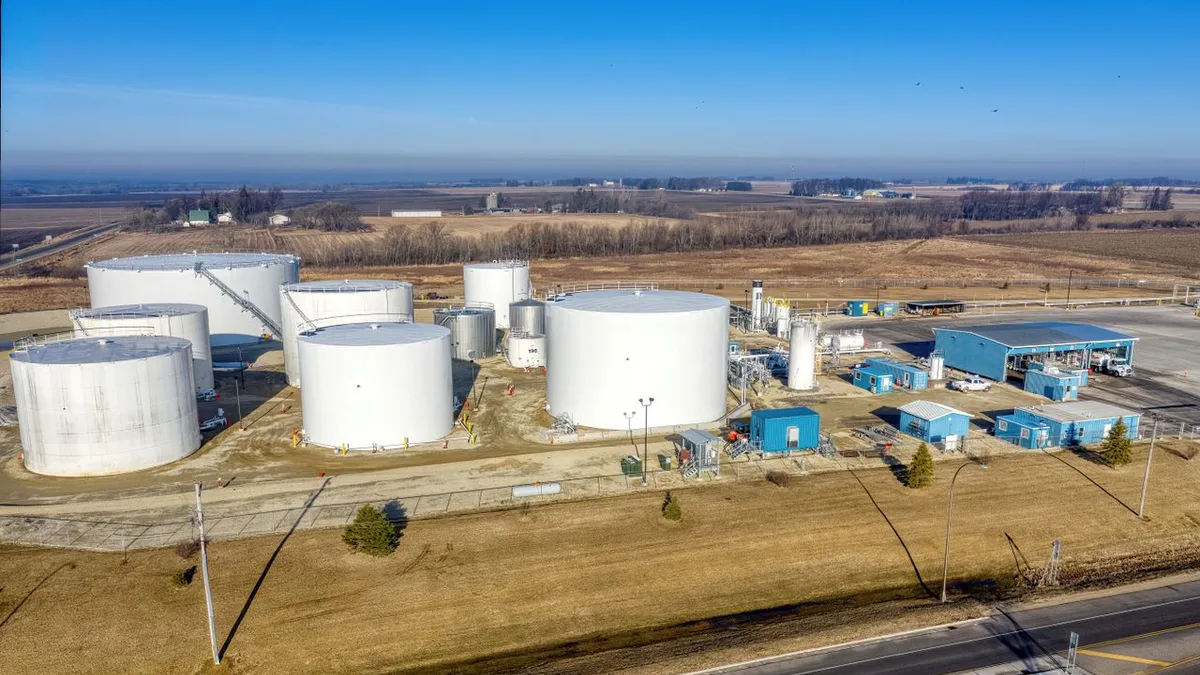
The Republic Directorate for Commodity Reserves plans to build eight vertical tanks, each holding 20,000 cubic meters, at its existing oil products depot in Smederevo. In total, that would be 160,000 m³ of storage for BMB 95/98 unleaded gasoline and Euro diesel. The urban design project for the site goes to public review on Thursday, November 5, and stays open for seven days, until November 11.
Who is building it, and where?
The investor is the Republic Directorate for Commodity Reserves. The work is planned on cadastral parcel 230/2 in the Smederevo cadastral municipality, in an industrial zone northwest of the city center on the right bank of the Danube. The urban design project was prepared by the firm SET from Sabac.
The parcel covers about 14.6 hectares and already holds 11 structures, including two tanks, a dispatch center, a pumping station and the Petrohemija office building. Land rights are split among NIS (private ownership), the Republic of Serbia (state ownership) and the Directorate for Commodity Reserves, which holds the right of use.
What exactly will be built?
Each tank will be about 20.8 meters tall and cylindrical, with an aluminum roof. The minimum gap between two tanks is 14.4 meters, and the nearest one will stand 52 meters from the Petrohemija building. The tanks sit outside the gas pipeline and planned product pipeline zones, where construction is banned.
The plan also includes:
- two buried drainage tanks of 10 m³ each,
- pipelines linking to the existing network in the complex,
- internal roads six meters wide.
The gross floor area of the new structures totals 13,065.2 m². Fuel will arrive and leave by river tanker and barge through the existing piers, as well as by tanker truck. No new water, power or telecommunications connections are planned, since the existing ones will be used. The project counts on no new jobs, so there is no new parking either, and 44.4% of the parcel stays green.
Leak protection consists of a steel “tank within a tank” containment basin, leak detection equipment, and cooling and foam fire suppression systems. An internal floating aluminum membrane reduces evaporation. The Institute for Nature Conservation of Serbia found no protected areas at the site, but it banned the dumping of any waste, especially along the shore and in the Danube riverbed, and required environmental monitoring.
How much will it cost?
Sources give two related figures, so they need to be kept apart. The estimated value of the investment is about 1.2 billion dinars. The estimated cost of the works is 1,252,910,717.55 dinars before VAT, or about 10.7 million euros at a rate of roughly 117 dinars to the euro.
It is not entirely clear what that sum covers. An energy portal cites it alongside a decision by the Ministry of Construction, Transport and Infrastructure from May of this year. That decision approved construction of two 20,000 m³ tanks with containment basins and pipework, two metering units at Pier 2, and a connection to the depot’s existing infrastructure. Other sources tie the same figure to the whole eight-tank investment. The two approved tanks make up a quarter of the planned capacity, 40,000 of 160,000 m³.
Why is the state expanding the depot?
The project says the extra storage is needed to build up strategic reserves and improve energy security, in line with European standards. As a member of the Energy Community, Serbia must hold reserves of oil and oil products equal to 90 days of average net imports or 61 days of consumption, whichever is higher. In May the Directorate also opened a tender for the design documentation for the eight new tanks.
Sources disagree on the existing capacity. According to some, the Smederevo depot now holds more than 250,000 m³ for various oil products, so the new 160,000 m³ would mean an increase of about 64%. According to others, the depot was designed in the 1980s for more than 250,000 m³, and in the 1999 bombing almost all vital facilities and the entire tank farm were destroyed. For that reason, any percentage increase that depends on this figure is only approximate.