Serbia Probes Payment Fees and Counters After Alta
The analysis covers fees, exchange office contracts and counters at the Interior Ministry, AMSS and customs, and comes three weeks after Alta Group lost its licence.
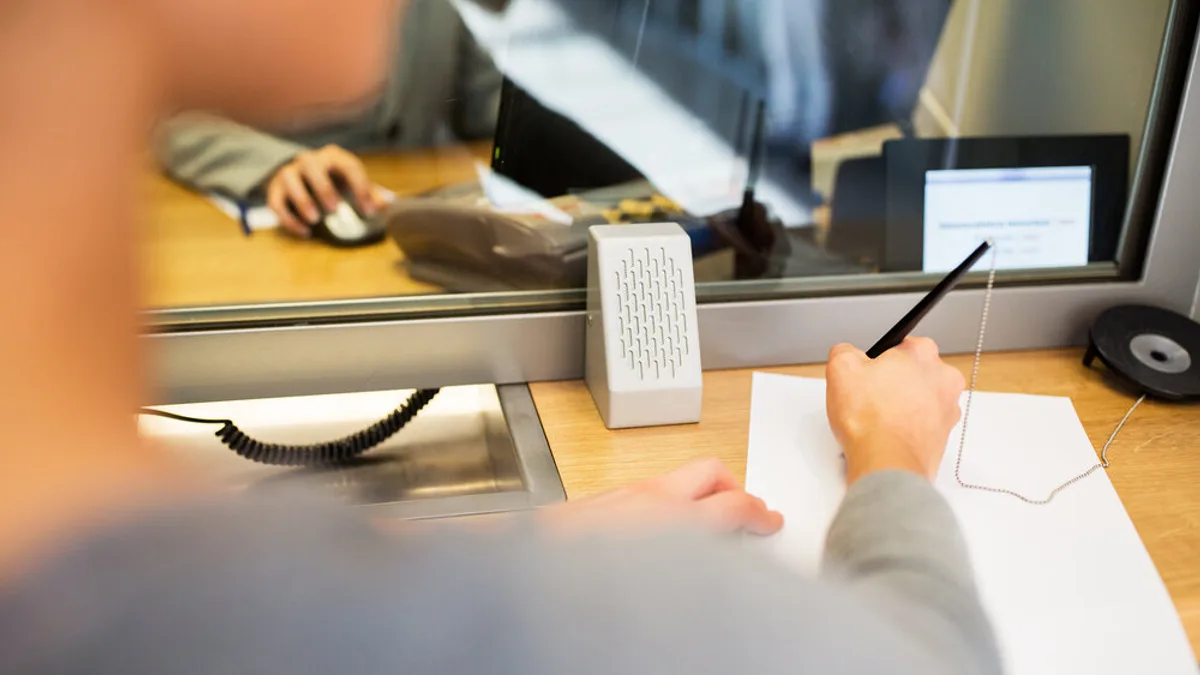
Serbia’s Commission for the Protection of Competition announced on November 23, 2026 that it is launching an analysis of competition in the market for payment services. It will examine the fees citizens pay, the contracts providers hold with exchange offices, and who controls the payment counters at government agencies. The announcement names no company, but it comes three weeks after the National Bank of Serbia (NBS) acted against Alta banka and Alta Grupa.
What exactly is the Commission checking?
The Commission cites changes in the market as its reason: licences issued to new entrants and the expansion of existing players. The analysis has five parts:
- market shares and changes in providers’ networks, before and after the licences were issued
- agent networks, meaning the number and geographic spread of payment points
- contracts with exchange offices and other partners
- models for dividing fees
- access to the locations where payments are made
On contracts, the Commission is asking whether they restrict partners from choosing other providers or from using alternative channels. On fees, it is looking at how the charge is split among participants, how much users pay and how providers and their partners earn.
The locations the Commission singles out are premises of the Auto-Moto Association of Serbia (AMSS), police departments and stations, vehicle inspection stations and customs offices. For these, it will look at how providers are selected, how long contracts last and whether they are exclusive, as well as whether other market participants can gain access.
What does the Commission say about the analysis itself?
The Commission stresses that this is a preventive step, not a finding of wrongdoing. The announcement states:
“The Commission emphasizes that launching the analysis does not constitute a finding of a violation of competition.”
Further steps, the announcement says, depend on the data collected. On that basis the Commission will assess whether there are circumstances that call for further action within its remit.
What happened in the payments market before the announcement?
On October 31, the NBS revoked the operating licence of Alta banka. On November 2 it also revoked the licence of Alta Grupa DOO Beograd, previously operating as Alta Pay, to issue electronic money and provide payment services. We previously reported on the payout of Alta banka deposits, but the network of payment points remained the untold side of that story.
According to the weekly Vreme, Alta Pay became a payment institution in 2016. In June 2019 it had about 1,000 locations, three years later about 2,000, and before its shutdown more than 3,200 payment points, according to the consumer association Efektiva. Its counters stood in Interior Ministry (MUP) stations, where fees for documents and vehicle registration are paid, as well as at the Parking Service and AMSS. Most of the network consisted of exchange offices acting as agents, which the NBS also confirmed.
Vreme also notes that talk of “new licences” fits poorly with the NBS register. According to the paper, the last licence was issued on October 9, 2024, and the only truly new participant after 2020 was Meridian Pay, which received its licence in March 2022 and lost it in April 2023 because it never started operating. The paper therefore suspects that “new licences” refers to Alta, Payspot and Tenfore moving into electronic money institutions. The Commission has not explained this, nor has it linked the analysis to any company.
What comes next?
The announcement gives no deadline for completing the analysis. The Commission said it will keep monitoring developments in the payment services market. If the data collected show obstacles to the entry of new players or to the work of existing ones, only then would further measures come into consideration.