Pellet Price 42,000-48,000 Dinars, Glavonjic Expects Drop
Forestry professor Branko Glavonjic rejects talk of 55,000 to 60,000 dinars a ton and explains why pellets have not yet gotten cheaper.
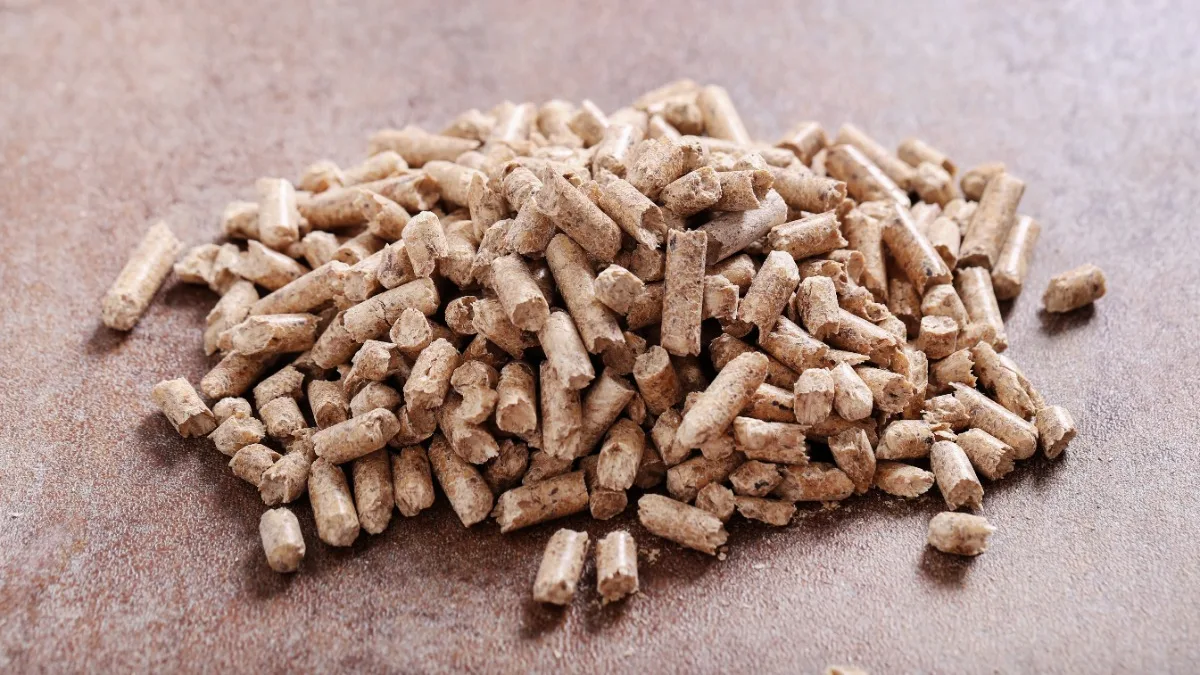
A ton of wood pellets in Serbia currently sells for between 42,000 and 48,000 dinars (roughly 360 to 410 euros, at about 117 dinars to the euro), and the forecasts of 55,000 to 60,000 dinars have no basis. That is the claim of Branko Glavonjic, a professor at the Faculty of Forestry in Belgrade, who described the market situation for RTS.
According to him, the market is well supplied and demand is falling week after week. Prices nonetheless remain high, and Glavonjic says that could change in the coming weeks.
Why haven’t pellets gotten cheaper?
Glavonjic gives two reasons why there has been no price drop so far.
- Producers are under no pressure. Domestic producers had very good results over the past year, so they can fund production from those earnings and are not forced to lower prices.
- Traders are sitting on large stocks. They are trying to sell them at high prices so they do not operate at a loss.
The professor dismissed the forecasts that a ton could reach 55,000 to 60,000 dinars in a few words: “No, that is not realistic and it is truly pure speculation,” Glavonjic said.
What pushed the price up?
Glavonjic ties the price increase to last year’s decision to raise electricity prices and lower the threshold for entering the red zone. After that, a large number of households replaced electric heating with pellets, and the rise in demand pulled prices up with it. Glavonjic puts it this way:
“That generated demand, demand generated prices, and that is the best indicator of how the market for one energy source affects the markets for others.”
Electricity and pellet prices, in other words, are not separate stories: a decision about one energy source spilled over into the market for another.
Is there a monopoly in the pellet market?
Glavonjic says there is no monopoly. More than a hundred producers, traders and importers operate on the market, and the largest factory holds between 11 and 15 percent of it. He sees the problem in the purchasing model: so-called ad hoc traders, including farm supply stores and building material yards, buy pellets at much higher prices than the large warehouses do.
The Rulebook on Wood Fuels has been in force for 14 months. By November 20, according to Glavonjic’s figures, 57 domestic and 16 foreign producers had certified their pellets.
When can a price drop be expected?
Glavonjic explicitly links a falling price to conditions in other energy markets. If those conditions do not change, he said, the pressure will shift to producers and traders:
“I am sure that if there are no more significant changes in the markets of other energy sources over the coming months, the question of cheaper wood pellets will very quickly come onto the agenda of domestic producers and traders. So, in the coming weeks we can certainly expect something like that,” Glavonjic said.
For households that heat with pellets, that is for now an estimate, not a price list: a ton still sells for between 42,000 and 48,000 dinars, and Glavonjic makes a price drop conditional on a calm market for other energy sources.