European Parliament debates Vukovar resolution on Monday
MEPs debate a draft on Monday that asks Serbia for war archives and grave data, with a vote on Thursday, November 26.
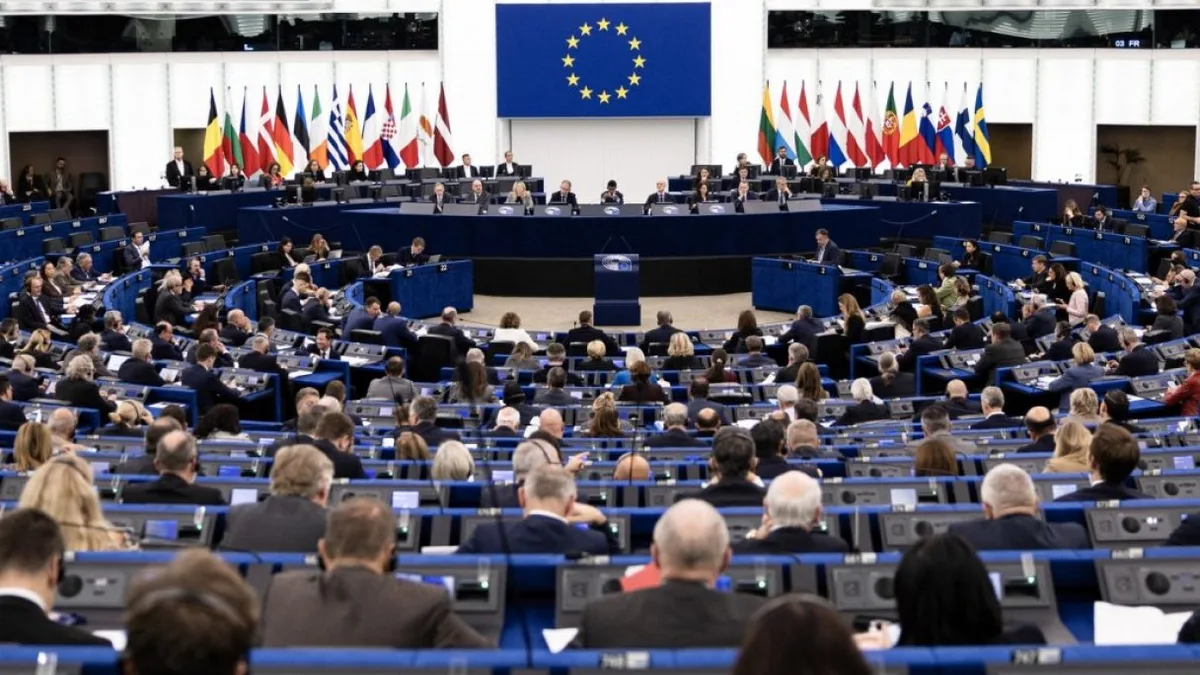
The European Parliament will debate a resolution on Vukovar at its plenary session on Monday, November 23, with a vote scheduled for Thursday, November 26. For Serbia this is no symbolic agenda item: the draft explicitly asks Belgrade to open its war archives, share data on grave sites and adopt a law on missing persons, and it condemns the honors given to Ratko Mladic at his funeral in Belgrade.
The text was written by Croatian members of the European Parliament from several political groups. The sources that reported on the draft do not name them. Radio Free Europe published the draft on November 20, so tomorrow’s debate is the first chance to see how much support the document has.
What does the draft resolution ask of Serbia?
The demands on Belgrade are specific and listed in the text itself. Serbia is called on to:
- grant access to relevant war archives,
- publish all available data on the locations of individual and mass graves,
- fight impunity for war crimes,
- make it easier to find and identify victims’ remains and return them to their families with dignity,
- adopt the long-promised law on missing persons in an inclusive and transparent way.
For that last demand the draft uses the phrase “in a truly inclusive and transparent manner”. The resolution also stresses the fundamental right of families to learn the fate of their loved ones and where they are, and it calls on the authorities to cooperate in establishing the fate of those still listed as missing.
The issue of the missing is not new in relations between Belgrade and Zagreb. Croatian Prime Minister Andrej Plenkovic said earlier that he expects data on the missing from Serbia’s new government. The resolution now puts that demand from Zagreb before the whole institution.
What does it say about Mladic and the denial of crimes?
The draft condemns all forms of denying, minimizing and glorifying war crimes, as well as the public celebration and rehabilitation of convicted war criminals in the region. Its most direct passage concerns the funeral in Belgrade on September 7, 2026:
“The European Parliament condemns the public honors accorded to Ratko Mladic at his funeral in Belgrade on September 7, 2026, following his final conviction for genocide in Srebrenica, crimes against humanity and war crimes; stresses that such practices undermine reconciliation, humiliate the victims and violate respect for the facts established by the courts.”
That is how the section on Mladic’s funeral reads, and the broader condemnation of public celebration and rehabilitation of convicted war criminals in the region appears in the same document.
The draft calls the resolution of open wartime issues, including the fate of the missing, responsibility for crimes and compensation for victims, a “civilizational imperative firmly rooted in the fundamental values and principles of the European legal order, which must be respected”.
Why now: the anniversary of the fall of Vukovar
The resolution arrives after the 35th anniversary of the fall of Vukovar, marked on November 18. In 1991 the city fell after 87 days of fighting, and the then Yugoslav People’s Army and paramilitary units took control of the almost completely destroyed town. Expulsions of the population, the transfer of prisoners to camps and grave war crimes followed.
Among them is the Ovcara massacre, where about 260 people were killed, mostly wounded, sick and civilians taken from the Vukovar hospital. The draft describes the defense of Vukovar as a central point of Croatian national memory and a symbol of resistance to “Milosevic’s Greater Serbian aggression”, and the MEPs state that the memory of Vukovar belongs not only to Croatia but to the whole of Europe.
The document recognizes the work of the International Criminal Tribunal for the former Yugoslavia in establishing the facts, but expresses regret that not everyone responsible for crimes during and after the siege has been brought to justice. It therefore asks for continued efforts to bring the remaining perpetrators before a court and to strengthen judicial cooperation.
What happens next
The debate is set for Monday, and MEPs vote on the resolution on Thursday, November 26. As of publication we had found no official reaction from Serbia to the draft.