Dragomir Pesic, Four and a Half Decades on One Stage
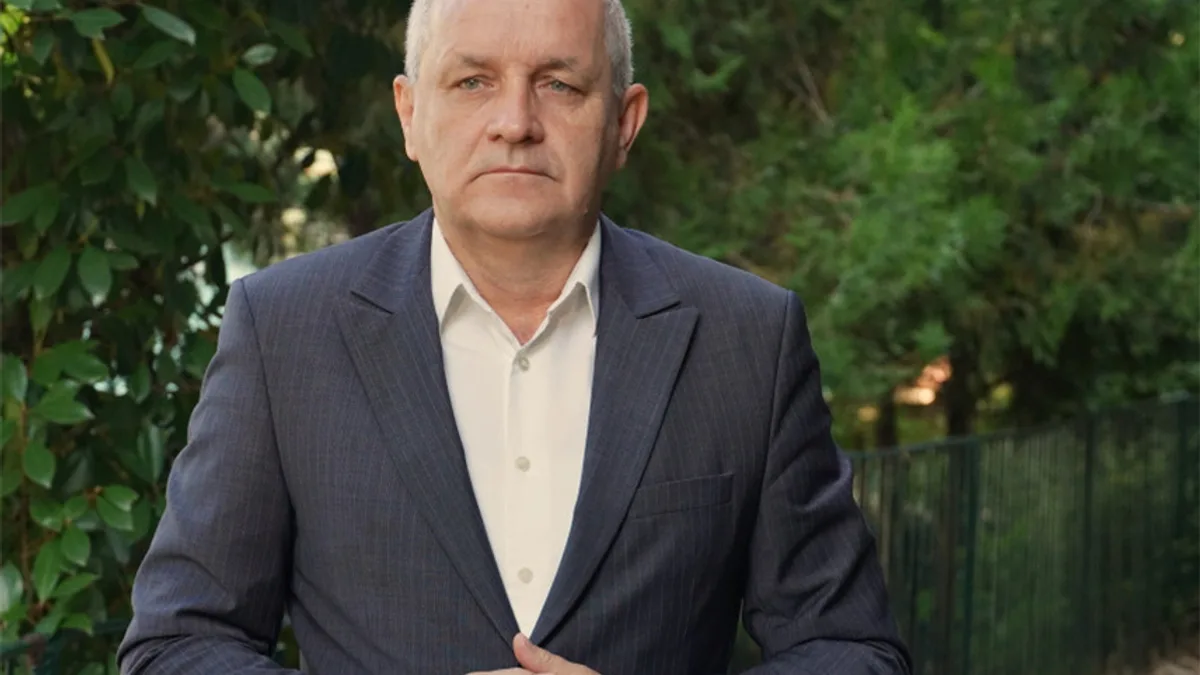
Dragomir Pesic, a character actor who belonged to the Serbian National Theatre's Drama ensemble for more than 45 years, has died at 69. Audiences remember him from comic roles and television series.

On September 1, 1980, Dragomir Pesic joined the Serbian National Theatre as an apprentice actor, and from that stage he never really moved on. He did not change houses and did not build a career by chasing whoever was calling at the moment. Once he passed his qualifying exam, he became a permanent member of the Drama ensemble and stayed there for the rest of his working life. His death was announced on August 17 by the theatre itself.
Pesic was 69. He was born in Futog in 1957, and finished both high school and the academy of arts in Novi Sad, the city where he would spend his entire professional life. The house he joined in his twenties is the oldest Serbian theatre, and he spent more than four and a half decades there, a span of service that few acting biographies today can match.
“It is with sadness that we inform the public of the passing of our colleague, who for more than 45 years was an inseparable part of the ensemble. We extend our deepest condolences to his family, friends and colleagues,” the Serbian National Theatre said in a statement.
The statement also names what became his trademark: a character actor best known for comic roles, with notable parts in works by both domestic and international playwrights. Accounts of his tenure differ slightly, some say more than four decades, others more than four and a half, while the calendar itself, from September 1, 1980 to mid August 2026, puts it at forty six years in the same house.
What does it mean to spend an entire career in one ensemble?
It means something that is hard to measure and even harder to promote. A repertory theatre does not work like a string of projects that come together, get performed and disband. It rests on people who are there whether the show is a hit or gets pulled after its third rerun, on those who carry the title role one season and come on for three minutes in the second act the next, playing that scene as if it were the most important one in the play.
Actors like that rarely get monographs written about them. Their careers are recorded not through awards but through the order of premieres, through the generations of directors they worked under, and through audiences who recognize them before they can name them. Pesic belonged to exactly that kind of actor, and his importance to the stage shows most clearly in the fact that people speak of him not as a guest but as part of the house itself.
The Comic Register, Last to Enter the Canon
In our cultural establishment, comedy still ranks as somewhat second tier. Tragedy earns awards, a comic role earns laughter, and laughter does not get archived. Yet character comedy is the most demanding craft in an ensemble: it requires precise timing, full control of the body, and the ability to play a character from the inside, without ever winking at the audience to say the actor finds it funny too.
Television carried that work far beyond Novi Sad. Pesic appeared in films and series watched across several generations:
- Laf u srcu
- Tako se kalio čelik
- Balkan ekspres 2
- Vratiće se rode
- Selo gori a baba se češlja
- Sva ta ravnica
- Na putu za Montevideo
That is the list by which he is known to audiences who may never have set foot in the Serbian National Theatre. The theatrical side of his body of work stays where such work always ends up, in the memory of those who were in the hall that night, and in the house’s own record of roles played.
The death of an actor who spent forty six years in one ensemble is not only a personal loss for his family and colleagues. It is also a quiet thinning of one theatre’s institutional memory, because with a man like that goes half a century of unwritten knowledge about how that particular house does its work.