Luka Kecman Picks Plays for 72nd Sterijino Pozorje
Sterijino Pozorje's Managing Board picked the theater scholar and Banja Luka Academy of Arts professor to select plays for the May 2027 edition; he succeeds Svetislav Bula Goncic.
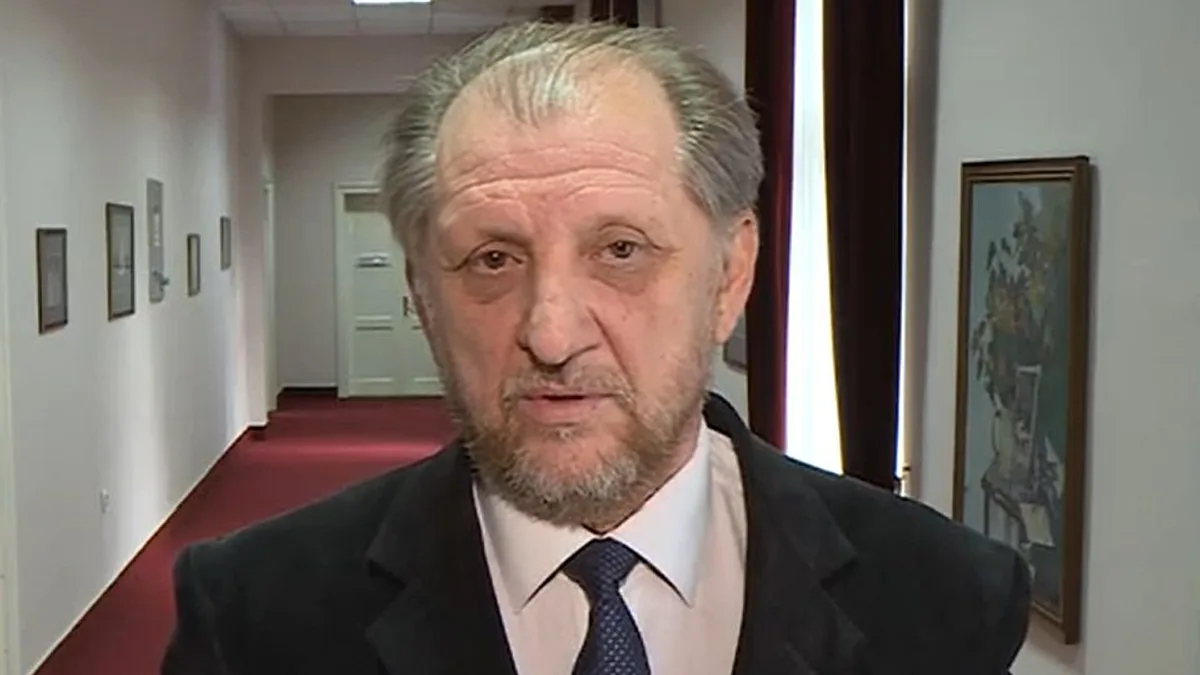
The selector’s chair at Sterijino Pozorje has not stayed in the same hands for more than one season over the past three years, and this year’s pick only confirms the pattern. The job now belongs to Luka Kecman, a theater scholar and professor at the Academy of Arts in Banja Luka, whom the festival’s Managing Board elected at its session on September 17. The decision itself was announced only on September 21 and 22, but its weight has little to do with the timing of that announcement and everything to do with what follows from it: for the competition program of the 72nd Sterijino Pozorje, scheduled for May 26 to June 3, 2027, in Novi Sad, Kecman will choose between seven and nine plays built on Serbian dramatic texts, plus up to three titles for the international “Krugovi” selection.
He takes over from Svetislav Bula Goncic, who put together this year’s 71st edition with eight plays in the competition program, while “Krugovi” was not held at all in 2026. Before Goncic, the critic Ana Tasic selected two editions in a row, the 69th and the 70th. Three selectors in three years is not a sign of instability at the festival; it reflects a deliberate policy. Each mandate runs short, usually a single season, and each new selector shifts the lens through which domestic dramatic production gets read before that lens has time to repeat itself and turn into a habit.
Kecman brings a biography that is as academic as it is theatrical. Born in Novi Sad in 1962, he earned his bachelor’s and master’s degrees there in Serbian language and literature, then completed a doctorate at the Faculty of Dramatic Arts in Belgrade with a thesis on Petar Kocic staged at the National Theatre of Republika Srpska. From 1987 to 1995 he ran the Youth Theatre “Palcic” in Novi Sad and served as president of the Literary Youth of Novi Sad, and he later built his career at the Academy of Arts in Banja Luka, where he is a full professor and has held the posts of both dean and vice rector. According to the academy’s official biography, he has directed close to 40 titles by Serbian and foreign authors in theaters across Serbia and Republika Srpska, published more than 150 theater reviews, and written the plays “Izvolite u cirkus,” “Igrate li sah,” “Bajka o bajci” and “Carobna cesma,” along with the children’s series “Svetski sudar bajki” for Novi Sad Television.
What that profile brings to the festival is not just a new name but a different balance of power in how the selection gets made. Kecman is not primarily a director’s sensibility picking work close to his own, but an academic outlook coming from an institution outside Serbia, shaped by a doctorate earned in Belgrade on a writer tied to Republika Srpska. In the post-Yugoslav context in which Sterijino Pozorje has long acted as a guardian of the domestic drama canon, that is a choice which widens the definition of “domestic” rather than narrowing it. Whether that shows up in the selection itself, in which seven to nine plays make the competition program, will only become clear once Kecman announces his picks, likely in the first months of 2027. Until then, one thing is certain: after Tasic and Goncic, the festival has again changed its taste address, and for an institution that builds its credibility on continuity, that is a fully deliberate decision.