Serbian Film Center: Two Years Without Funding Calls
Eight film associations accuse Serbia's Film Center and major media companies of blacklists and censorship, while the institution claims abroad it's business as usual. Variety examined both sides.

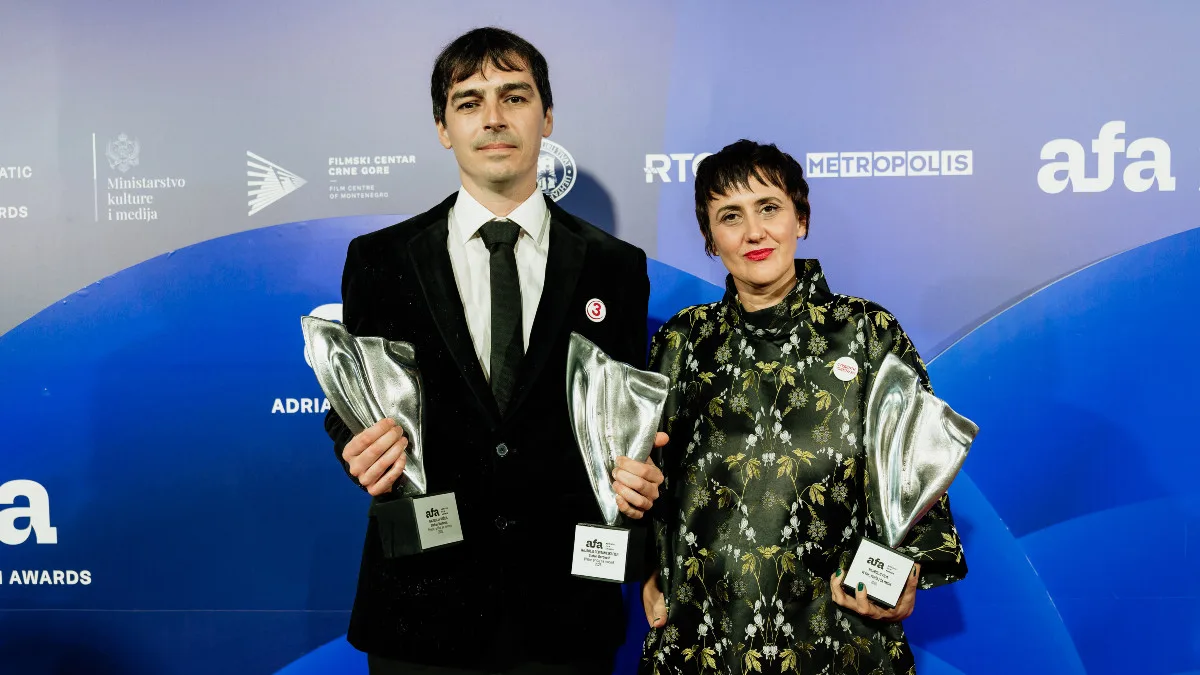
Jelena Maksimovic’s name is in two places at once these days. In Venice, where her first feature film recently premiered, and in a major report by the American trade magazine Variety, in which she and her colleagues describe Serbia’s film industry as an industry without money, without funding calls and, they say, with lists of people who are not allowed to get work.
“The attempt to silence us is part of a broader attack on workers, on collective organizing and on the very possibility of imagining a society built on solidarity, equality and freedom,” Maksimovic told Variety.
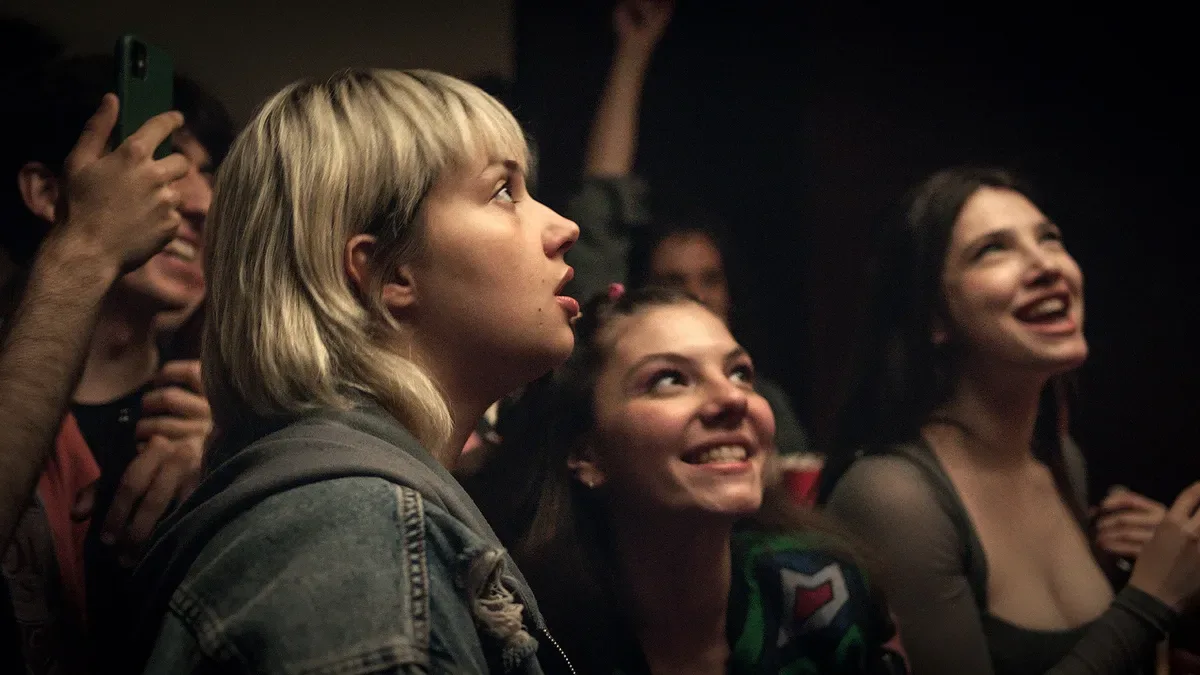
Her film, “By the End of the Day,” her debut feature, is set during the student protests that followed the collapse of a railway station canopy in Novi Sad in November 2024, in which 16 people died. According to Variety, that same event is also the backdrop to the crisis its report describes.
The report was published on September 24 by journalist Christopher Vourlias, and Danas carried a translated version of it this morning. Its central claim is simple and hard to verify from outside the industry itself: the Serbian Film Center (FCS) has not opened a single public funding call for film production in almost two years, even though the money for it exists in the budget. An earlier statement from the film associations spoke of more than 14 months without a call, and the gap has only widened since.
Eight associations, among them the Association of Film Producers of Serbia, the Association of Film Directors of Serbia and associations of documentary filmmakers and screenwriters, signed an open letter to the international film community earlier this year. Its tone is not diplomatic.
“The Serbian film industry is currently facing a coordinated, state sponsored campaign of censorship.”
“While the Serbian Film Center keeps projecting an image abroad that everything is running as usual, the reality is a complete freeze on funding calls.”
Producer Jelena Angelovski goes a step further, drawing a line between those who are working and those who are not.
“For almost two years now, all institutional funding for film production has been completely suspended, except for those who promote the corrupt patterns of the right wing nationalist government.”
Who decides who gets cast?
An anonymous producer, one of the leading figures in the country, agreed to speak to Variety only on condition that he remain unnamed. His description of the funding system is blunt.
“Whether you’re seeking public film funding, financing from the national public broadcaster or investment from the other big media companies, all the major funding sources are now either state owned or state controlled.”
The same source describes what he says is now the criterion that decides who gets cast or hired in the industry today and who does not: “Your public statements, your activity on social media and whether you take part in protests can determine whether you get a role or a job.”
Critics name Telekom Srbija and United Media as the companies behind these informal blacklists. United Media did not respond to Variety’s request for comment. Aleksandra Martinovic, director of multimedia at Telekom Srbija, rejects the claims that the company and its production house, TS Media, are biased, calling them inaccurate: “Our results and our projects show what we do and how we do it. We are completely open.”
Behind the funding freeze: elections and a collapsed canopy
What Variety describes as the crisis of one industry is hard to separate from the wider context surrounding it. The canopy in Novi Sad collapsed in November 2024, Prime Minister Milos Vucevic resigned over it, and President Aleksandar Vucic refused to do the same, until he recently announced his own resignation. Snap parliamentary elections have been called for October 27, the same month in which, by the logic laid out by Variety’s sources, a film production funding call should already have existed for a long time.
The institutional criticism in the eight associations’ letter cuts deepest right here. The problem, the associations say, is not just that there is no money, but that the Serbian Film Center keeps telling the world one story while the industry at home tells a different one. That gap between the official image and what the people meant to be producing that image are actually saying is exactly why the story ended up in the pages of an American trade magazine rather than a domestic one.
The anonymous producer, at the end of his conversation with Variety, sums up what he believes is left when that gap goes uncorrected for too long: “This kind of censorship leaves people without work and without space for their voice to be heard. And when you systematically remove critical voices from film, television and media, what’s left is an increasingly dark and controlled public space.”