

Heatstroke in dogs: the AVMA on what to do in the first 15 minutes
Five things to know before the first genuinely hot day of summer. The American Veterinary Medical Association lists the most vulnerable breeds and how to spot the danger signs.
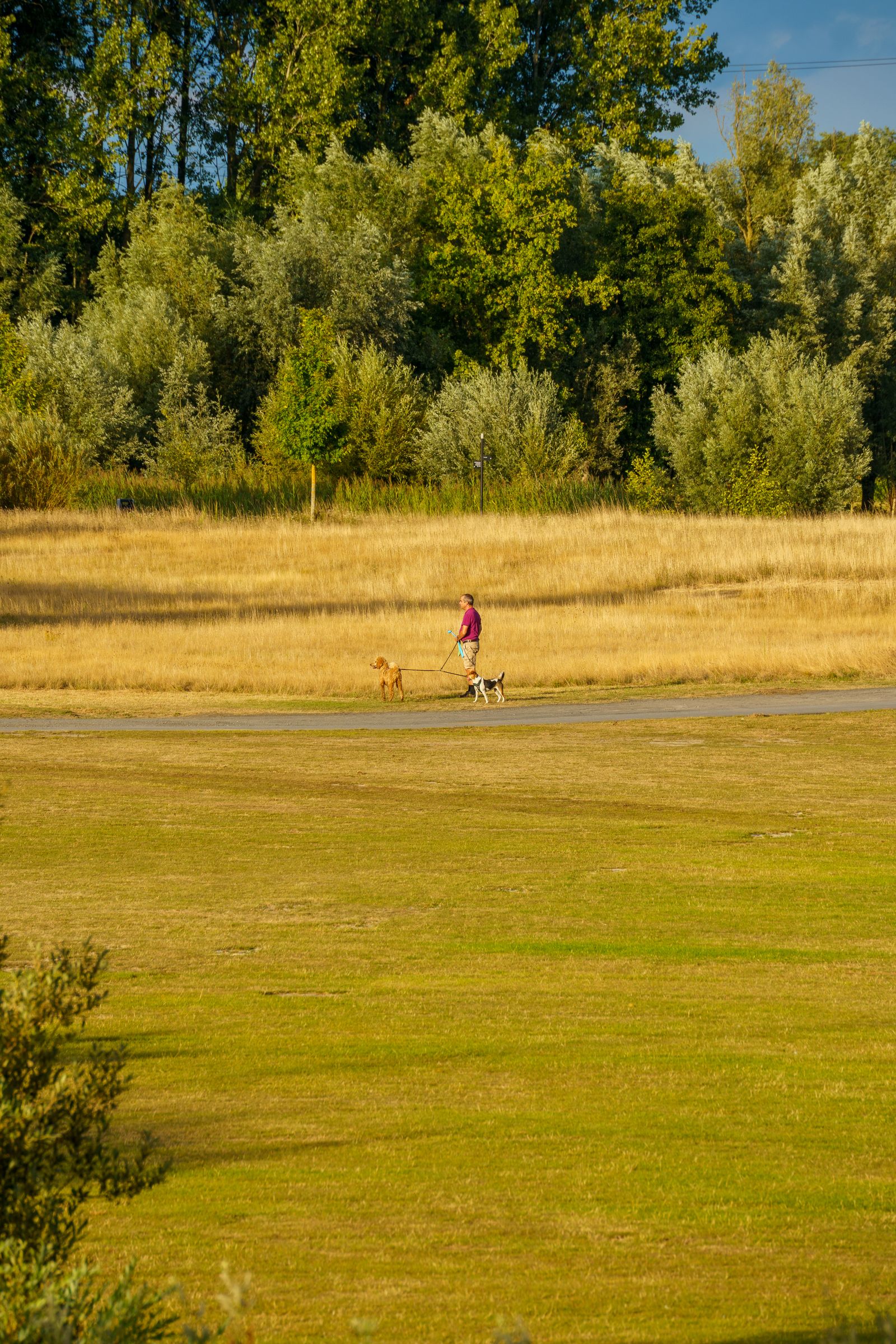
Is your dog panting a lot more this summer than last, or is it just the first burst of heat? Short answer: if the panting is paired with wobbling on his feet or a red tongue hanging out too long, that is the early phase of heatstroke and you have around 15 minutes to act.
According to data from the American Veterinary Medical Association (AVMA), heatstroke in dogs is an emergency that can cause organ damage, seizures or death if not treated in time. Dogs cool themselves by panting, but when the outside temperature passes 30 degrees and humidity is high, the mechanism cannot keep up.
How to recognise heatstroke
The AVMA lists the following early warning signs to watch for:
- Excessive panting that does not subside even in the shade
- Salivation greater than usual, sticky and thick saliva
- An accelerated heart rate you can feel through the coat
- Red gums and tongue
- Staggering, weakness in the hind legs, disorientation
In the more advanced phase, vomiting, bloody diarrhoea, loss of consciousness and convulsions appear. If your dog shows any of the latter signs, take him to the vet immediately, do not bother with a phone call.
Five things to know before the first hot day
- Black, long or thick fur means a higher risk. The AVMA notes that breeds such as Labradors, retrievers, shepherd dogs and Siberian huskies have a greater predisposition to heatstroke in a continental climate.
- Brachycephalic breeds are the most at-risk group. Dogs with short snouts (bulldog, pug, French bulldog, boxer) have anatomically impaired cooling and can suffer heatstroke at as little as 25 degrees.
- Older dogs, overweight dogs and dogs with chronic conditions face a higher risk. Heart disease, thyroid problems and diabetes all reduce heat tolerance.
- A car is the most dangerous spot. According to AVMA data, the temperature inside a parked car in the sun rises by 11 degrees every ten minutes. An open window does not help.
- Asphalt can reach 60 degrees while the air is at 30. The hand rule, if it is too hot for your hand after five seconds, it is too hot for paws.
The first 15 minutes when you suspect heatstroke
The AVMA advises the following sequence:
- Move the dog into the shade or an air-conditioned room immediately.
- Pour lukewarm (not iced) water over the groin, neck and paws. Iced water constricts the skin’s blood vessels and makes things worse.
- Let the dog drink as much as he wants, do not force it. The water should be fresh, not cold.
- Set up a fan or fan him manually to circulate air around the wet coat.
- Call the vet while you are cooling him, not after. If body temperature is above 40 degrees Celsius, drive to the clinic immediately.
How to gauge the risk this summer
The AVMA recommends owners learn their own dog’s normal body temperature as a baseline. The standard for an adult dog is between 38.3 and 39.2 degrees Celsius. Above 40 is an emergency.
A canine thermometer is available in veterinary pharmacies for around 1,500 to 3,000 dinars, around 13 to 25 euros. An investment that saves a life once in three years.
A practical tip for summer
Walks only in the morning before 9 a.m. and in the evening after 8 p.m. If you have to go out during the day, choose parks with shade and carry a water bottle and a collapsible plastic bowl. The AVMA notes that a 20-kilo dog needs at least half a litre of extra water during a summer day, on top of normal daily intake.
On a beach or an outing, a sun lounger or improvised shade under a tree is essential. A dog with nowhere to retreat and more than 30 minutes of direct sun can already slip into the danger zone.
What you must never do
Do not put a dog in a tub of iced water. Sudden cooling triggers a vasospasm and can cause shock. Lukewarm water and gradual cooling are the only correct approach.
Do not give a dog human fever medication. Paracetamol is particularly toxic for dogs and can be fatal at a dose that would be unremarkable for a person.
Do not leave a dog in a bathroom or on a balcony without ventilation, thinking it is in the shade. Without air movement the temperature climbs just as it would in direct sun.
Did your dog have any problems with the heat last year and how did you handle it? Let us know in the comments, other owners learn from these stories.


