

How much water you actually need: Mayo Clinic says 3.7 litres for men, 2.7 for women
Five things to know before you drink an extra litre and a half a day. Mayo Clinic doctors emphasise that all fluid counts, not just plain water.
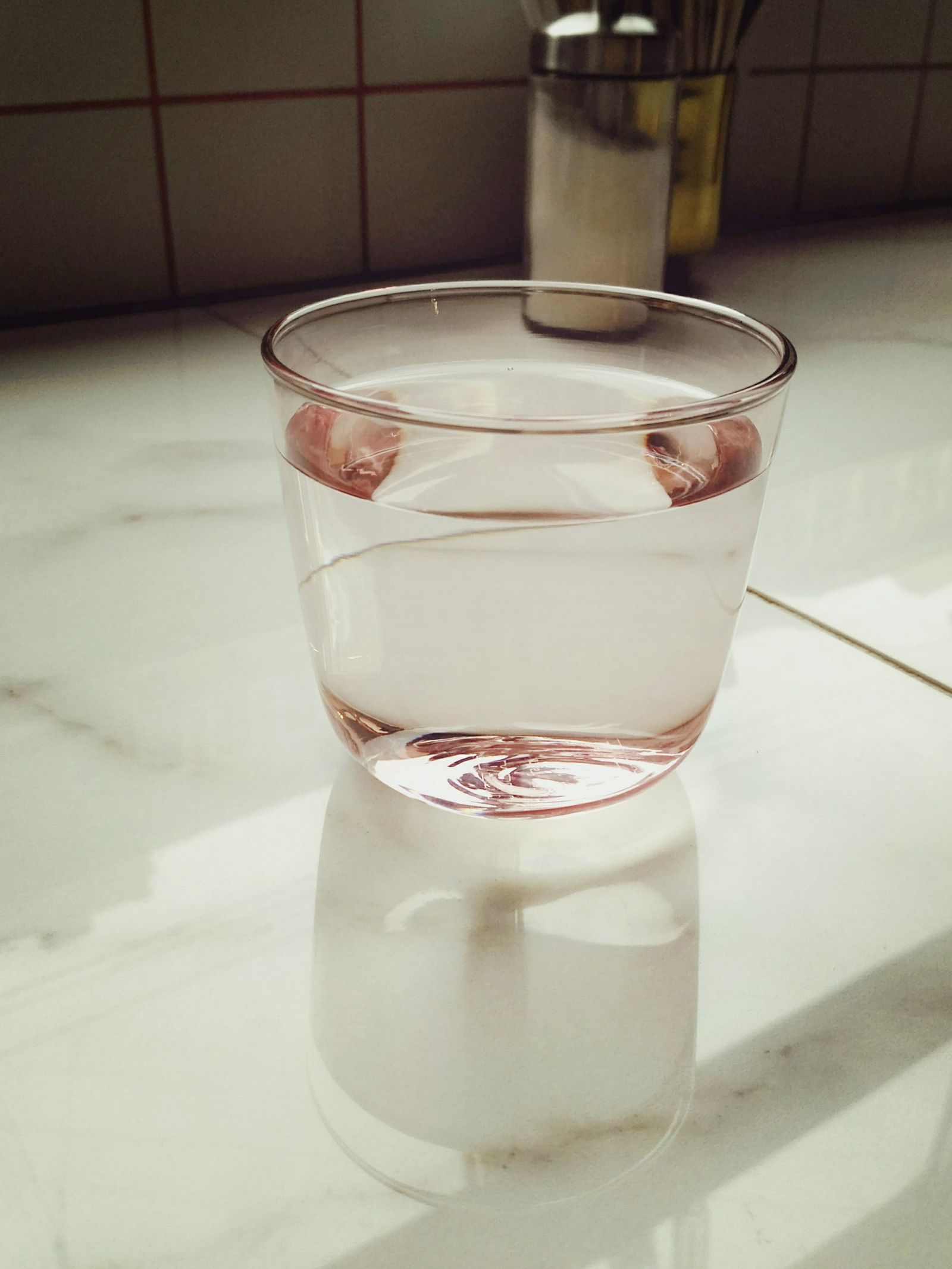
Is the eight-glasses-a-day rule really the gold standard, or is it just marketing? Short answer: the eight-glass rule is a rough approximation that Mayo Clinic has spent years refining into more precise numbers.
In its latest analyses, Mayo Clinic lists 3.7 litres of total fluid daily for adult men and 2.7 litres for adult women. The important detail most people skip: this is not only water from a glass. It includes teas, coffee, milk, juices, soups and fluid from water-rich foods such as cucumber, watermelon or tomato.
What total fluid actually means
The difference between plain water and total fluid is substantial. Mayo notes that around 20 per cent of daily fluid comes from food, the rest from all the drinks you consume during the day.
That means a person who eats two pieces of fruit, a salad, soup for lunch, two coffees and three teas is already close to half their daily intake before they touch a glass of plain water.
Five things to know before you start
- The numbers are averages, not universals. Mayo explicitly warns that actual needs vary with fitness, climate, body weight and health status. A person who exercises for an hour a day needs 30 per cent more.
- Urine colour is the most reliable signal. Clear to pale yellow means well hydrated. Dark yellow or brown means more fluid is needed.
- Thirst is not a sufficient signal. By the time you feel thirsty, you are already mildly dehydrated. Better to sip little and often than to gulp large amounts at once.
- Coffee and tea count. Mayo has dropped the old idea that caffeinated drinks dehydrate, current guidance counts them towards total fluid.
- More is not always better. Overdoing water in people who do not exercise can lead to hyponatraemia, a dangerous state in which blood sodium is diluted.
When you need more than average
Mayo recommends increasing daily intake in several clear situations:
- During physical activity, an extra 200 to 600 millilitres per hour of exercise
- In hot or humid weather when you sweat more than usual
- During a fever, diarrhoea or vomiting
- During pregnancy and breastfeeding, up to 1 extra litre a day
If you fall into any of these categories, 3.7 litres is not the upper limit but the starting point.
A practical tip for summer
The simplest system that works for most people: a 750-millilitre bottle topped up four to five times a day. One in the morning, one before lunch, one after lunch, one in the afternoon, one in the evening as needed.
If you find plain water hard to drink, add a slice of lemon, a mint leaf or a piece of cucumber. Mayo notes that flavoured water without sugar has the same hydrating effect and is easier for most people to actually drink.
What dehydration does during the day
As little as a 5 per cent fluid deficit affects focus and mood. A headache is an early phase of dehydration, well before you feel thirsty. Mayo notes that in office workers the afternoon energy slump is often more about under-drinking than about the lunch they had.
Another symptom that often gets dismissed: dry lips and dry skin on the hands. If your skin does not snap back when you pinch it for two seconds, your body is signalling it needs more fluid.
Our recommendation for the kitchen
Keep one bottle of water on your desk and another by the bed. The bedside one is for the first glass in the morning, before coffee. Drinking water as soon as you get up kicks off the metabolism and helps the body replace overnight fluid losses.
If you want to track how much you actually drink, keep notes for a week. Most people are surprised by how much less they drink than they assume.
How much fluid do you get through a day, and how do you track it? Share your system in the comments.


