

Added sugar: how many grams a day is too much, and what the CDC actually says
The CDC says children under 11 should consume no added sugar at all, with a 10-gram-per-meal limit for older eaters. Five swaps for the everyday kitchen.
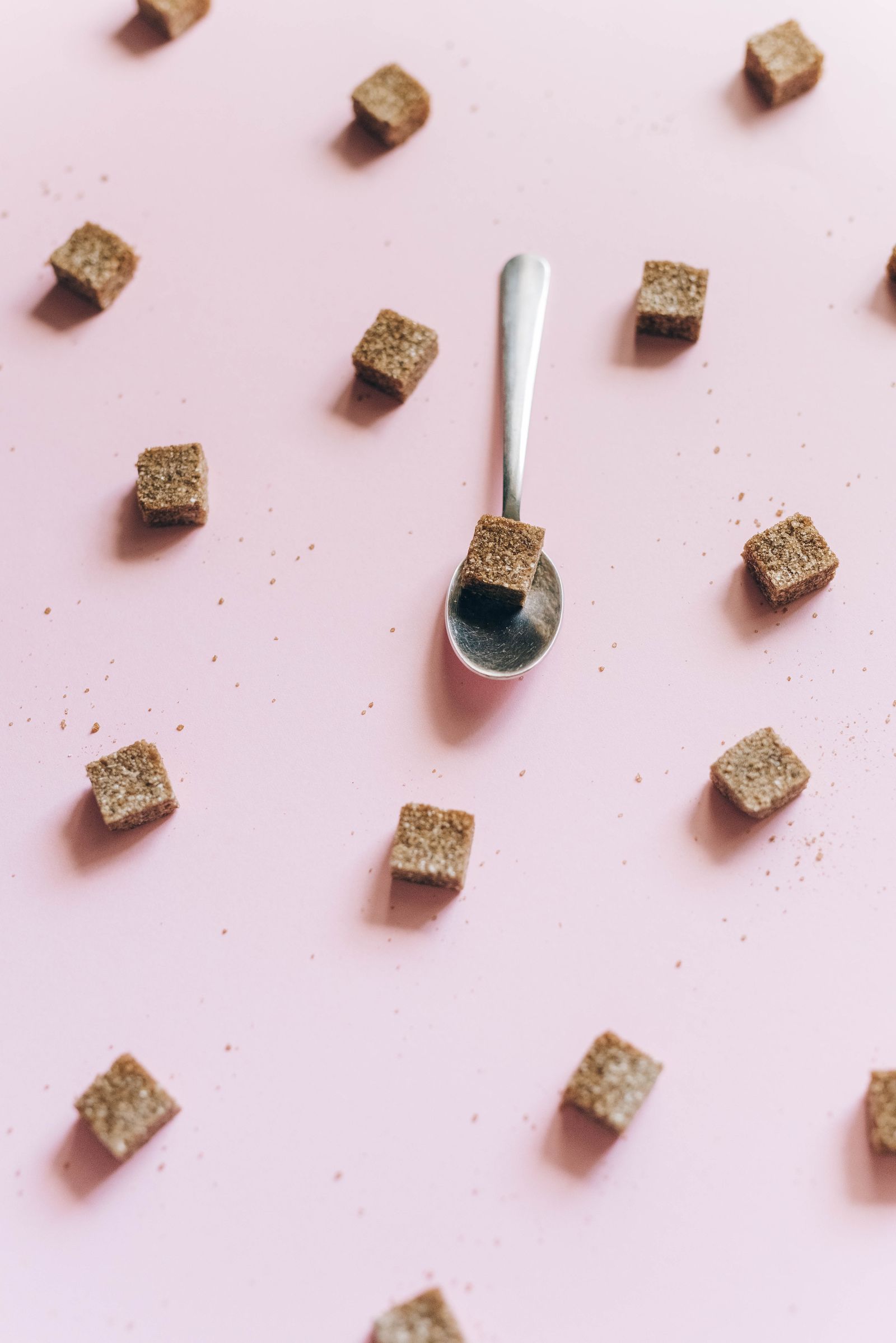
Does one teaspoon of sugar in your morning coffee already eat into your daily limit? Short answer, yes. Probably more than you realise.
In its latest guidance, the CDC is clear that no amount of added sugar is nutritionally necessary. For adults and adolescents, it sets a ceiling at 10 grams of added sugar per meal.
This is about added sugar, not the natural sugar in fruit or milk. Whole fruit and milk do not count against that ceiling. What counts is the sugar manufacturers add to flavoured yoghurt, juice, cereal, sauces and packaged biscuits.
What “added sugar” actually means
Any sugar added during manufacturing or preparation. White sugar, brown sugar, honey, agave, high-fructose corn syrup, maltodextrin, dextrose. All of it counts.
Glucose from an apple or lactose from milk does not. It arrives with fibre, vitamins and protein that change how the body absorbs the sugar.
CDC recommendations by age
- Children under 11, no added sugar as part of a healthy diet
- Adolescents and adults, no more than 10 grams per meal
- Athletes and pregnant women, individualised guidance with a clinician
For comparison, a classic 330 ml can of soda contains around 35 grams of added sugar. That is more than three meals’ worth spent in advance.
Five swaps that work in any kitchen
- Replace flavoured yoghurt with plain yoghurt and fresh fruit. A flavoured industrial yoghurt often has 12 to 18 grams of added sugar per pot. Plain yoghurt with strawberries has zero added sugar and the same satisfaction.
- Replace juice and nectar with water with lemon or cucumber. A 200 ml glass of juice has 20 to 25 grams of added sugar. Water with a slice of lemon has none.
- Replace packaged breakfast cereal with porridge. Many children’s cereals carry 12 to 15 grams of sugar per portion. Oats plus half a banana contain about 6 grams of natural sugar, which counts differently.
- Replace ketchup and barbecue sauce with tomato purée and seasoning. Standard ketchup carries 4 grams of sugar per tablespoon. Purée plus a little pepper is close to zero.
- Replace packaged biscuits with fruit or a handful of nuts. A single biscuit often has 6 to 8 grams of sugar. An apple and nuts is a filling snack with no added sugar.
Are brown sugar or honey healthier
No, not meaningfully.
Honey and brown sugar carry trace minerals, but their calories and metabolic impact are nearly identical to white sugar. The body does not care where sucrose comes from, it cares how much you take in every day.
Our recommendation, do not swap one type of sugar for another. Cut the overall amount. Half a teaspoon instead of a full one in coffee, a sweet dessert twice a week instead of every day.
How to read the label
Serbian packaging is required to list “of which sugars” in the nutritional table. That figure combines natural and added sugar. But for products with no fruit or milk, almost all of it is added sugar.
For juices, biscuits, sodas and flavoured yoghurts, the “of which sugars” number is effectively the added-sugar number. Multiply by the portion if you eat more than the label says, which is common with biscuits and crisps.
A practical step for next week
Try one thing for seven days, cut sugary drinks. Water, unsweetened tea, black coffee.
After seven days, most people report less sugar craving and better sleep.
This is not a diet, not a deprivation, not forever. Seven days is enough to feel the difference and decide for yourself whether to continue.
Have you tried to cut down on sugar? What was the hardest part? Let us know in the comments.


