Anti-inflammatory eating: five Mediterranean foods worth adding to your week
Chronic, low-grade inflammation is the silent driver behind heart disease and arthritis. Five Mediterranean staples that lower inflammatory markers, with Serbia pricing.
Does chronic inflammation exist if nothing hurts? Short answer, yes. It often stays silent until a much bigger problem shows up.
The Mediterranean diet is one of the most reliably documented ways to lower inflammatory markers in the blood, especially C-reactive protein.
Research from Harvard Medical School, Mayo Clinic and major European universities over the past decade shows that chronic inflammatory processes respond to food. The Mediterranean diet has topped the U.S. News & World Report healthiest-diet ranking for years now.
What “chronic inflammation” actually means
There are two kinds of inflammation.
Acute is the body’s response to injury, infection or stress. It lasts a few days and resolves on its own.
Chronic is low-grade but continuous. It runs for months and years, quietly fuelling degenerative processes.
Risk factors include excess weight, a sedentary lifestyle, smoking, chronic stress and a diet built on refined carbs, sugar and trans fats.
Five foods worth adding
- Oily fish twice a week. Sardines, mackerel, salmon, trout. The omega-3 fats lower inflammatory cytokines. The Harvard School of Public Health shows two weekly portions cut cardiovascular risk by 20 to 30 per cent. In Serbia, a tin of sardines at 700 dinars does the job as well as fresh salmon at 1,800 dinars per kilo.
- Extra virgin olive oil every day. Two to three tablespoons, used as the primary fat. The oleocanthal in it acts mildly like ibuprofen, only without the side effects. Use it for dressings and to finish cooked dishes, not for high-heat frying.
- Legumes three times a week. Lentils, chickpeas, white beans, black beans. Fibre and plant protein together. Dried or canned, both work. A kilo of dried chickpeas in Serbia costs around 250 dinars, enough for 4 to 6 meals.
- Berries daily. Blueberries, raspberries, blackberries, strawberries. The anthocyanins in the pigment lower oxidative stress. Frozen is much cheaper in winter and nutritionally almost identical. A handful a day is plenty.
- 30 grams of nuts daily. Almonds, walnuts, hazelnuts, cashews. The PREDIMED study in the New England Journal of Medicine linked a daily portion to a 30 per cent lower risk of cardiovascular events. A handful, unsalted and unsweetened.
What to cut back
- Sugary drinks, sodas and industrial juices
- Packaged biscuits, sweets and snacks
- White bread and white pasta every day
- Red meat more than twice a week
- Cured meats, sausages, processed cold cuts
This is not about never eating a schnitzel again. It is about what a typical week looks like, not the occasional exception.
A practical weekly plan
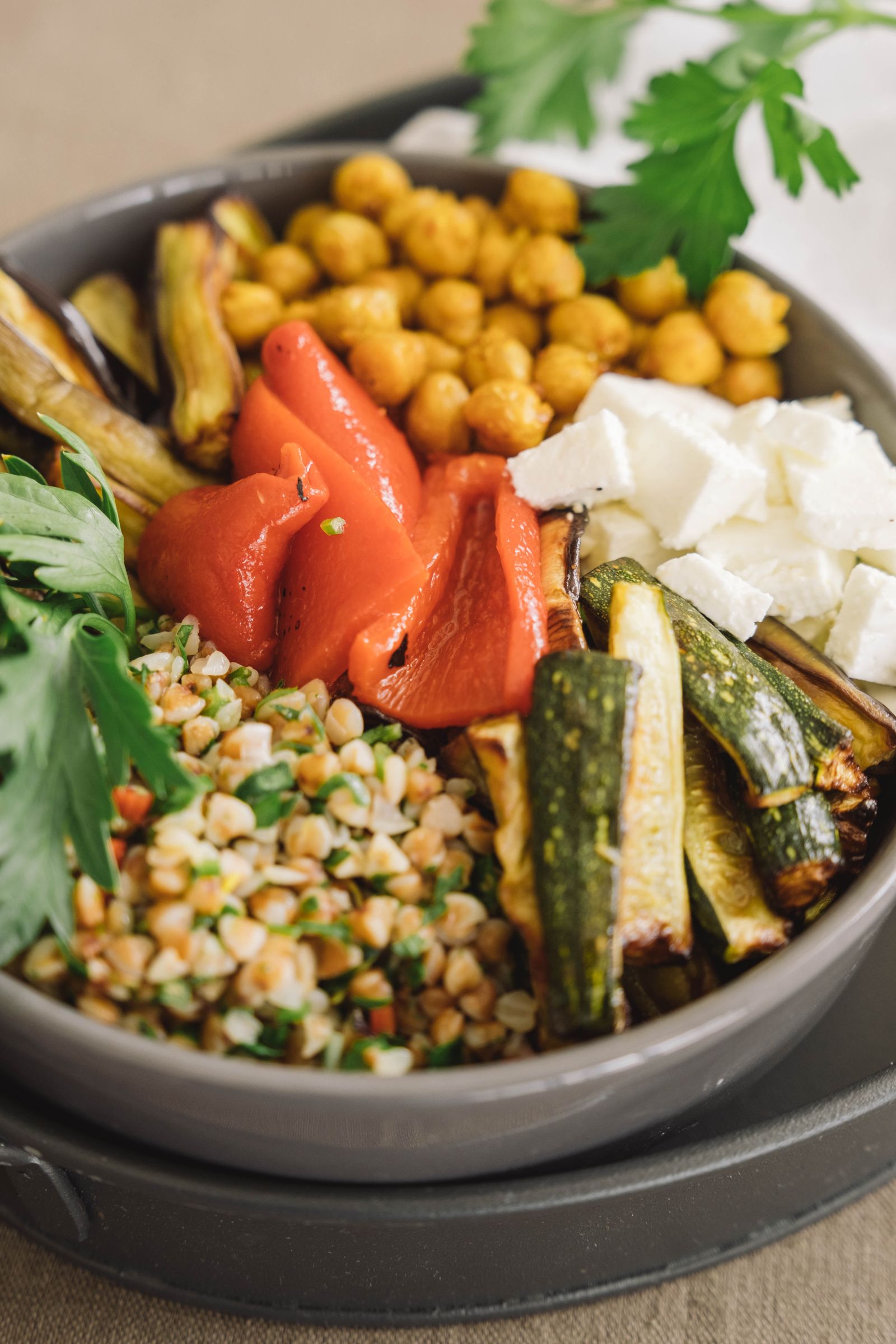
Monday. Breakfast: oats with blueberries. Lunch: salad with chickpeas and feta. Dinner: grilled sardines with tomato.
Tuesday. Breakfast: Greek yoghurt with walnuts and honey. Lunch: lentil soup. Dinner: roasted vegetables with quinoa.
Wednesday. Breakfast: spinach omelette. Lunch: tuna salad. Dinner: roast chicken with olive-oil potatoes.
Thursday. Breakfast: smoothie with raspberries and almond milk. Lunch: Italian-style beans with potato. Dinner: grilled mackerel with salad.
Friday. Breakfast: avocado toast on rye. Lunch: quinoa and pomegranate salad. Dinner: vegetable pizza if you fancy it. The Mediterranean diet is not strict.
Weekend. Looser choices, just avoid sodas and excess sugar.
What not to expect
Anti-inflammatory eating is not a magic formula that resets the body in seven days. Visible changes in inflammatory markers on blood work usually take three to four months.
Energy and satiety improve much sooner, often by the second week.
If you take anti-inflammatory medication on a doctor’s plan, food is not a replacement. Ask your doctor how to combine them.
A practical plan for the first week
Do not change everything at once.
Week one, switch to olive oil as the kitchen’s primary fat and add fish for one dinner.
Week two, add legumes once a day.
Week three, fruit every day.
Gradual changes stick. Drastic overhauls collapse back inside a month.
Have you tried switching to a Mediterranean style of eating? Which food was the hardest to get used to? Let us know in the comments.