Flu shots begin in Serbia, Torlak ships about 300,000 doses
Health centers across Serbia have been giving the seasonal flu vaccine since October 14. Who goes first, what is in the shot and how long protection lasts.
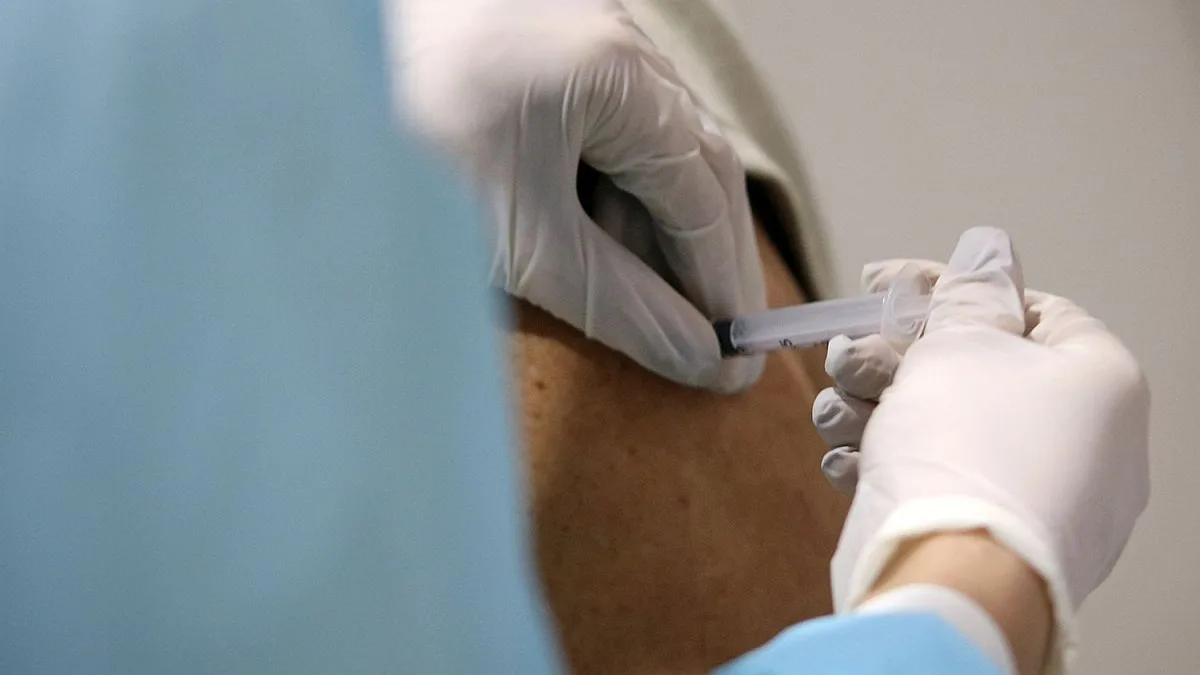
Is it time for the flu shot? Yes: vaccination for the 2026/2027 season began on Wednesday, October 14, at vaccination points in health centers across Serbia.
Adults can get a trivalent vaccine made in Serbia by the Torlak Institute of Virology, Vaccines and Sera. The Institute’s director, Ivana Marinkovic, told RTS that the vaccine has already been distributed to health centers. According to her, Torlak produced about 300,000 doses, a quantity set on the recommendations of the Institute of Public Health of Serbia “Dr. Milan Jovanovic Batut” and the needs of the population.
How many doses are there, and which vaccine is given?
The figures differ from source to source, so here is who claims what. Marinkovic speaks of about 300,000 doses produced. Kurir, citing Batut, reports that a total of 315,000 doses were planned and contracted for this season: 288,000 doses of Torlak’s vaccine (Torvaxflu) and 27,000 doses of Vaxigrip, made by Sanofi Pasteur.
Torvaxflu is given from the age of 18. Vaxigrip, according to the same source, can also be given from six months of age. Informer says Vaxigrip is quadrivalent (Vaxigrip Tetra), while Kurir lists it as trivalent, so the safest course is to have the doctor at the vaccination point confirm the exact name.
The composition of Torlak’s vaccine follows the recommendation of the World Health Organization. Director Marinkovic says the vaccine contains “three strains,” two of type A and one of type B, in line with the WHO recommendation, which tracks the epidemiological situation throughout the year.
According to Batut, this season’s composition is made up of the strains A/Missouri/11/2025 (H1N1), A/Darwin/1454/2025 (H3N2) and B/Tokyo/EIS13-175/2025 (B/Victoria).
Who gets priority?
First in line are those most at risk from the flu. According to Batut, they are:
- people over 65
- pregnant women
- people with chronic lung disease (including asthma), heart disease (excluding high blood pressure), diabetes, obesity with a body mass index above 40, kidney disease, neurological conditions and cancers
- people with weakened immunity and transplant recipients
- residents and staff of geriatric care centers
- health workers, for whom vaccination is mandatory
Family members of at-risk patients who cannot be given the vaccine themselves can also be vaccinated. Informer reports that the vaccine is free with a health insurance card and that other citizens can receive it too, regardless of age.
Marinkovic says:
“The recommendation is that everyone gets vaccinated, but it is crucial that our older fellow citizens and people with chronic illnesses do so.”
Why is the vaccine given every year?
Immunity builds up two to three weeks after vaccination and lasts from six to 12 months, so a single dose does not last forever. Virus strains change from season to season, which is why the composition of the vaccine changes too.
Last season showed what is at stake. According to Batut, Serbia registered nearly 40 percent more cases of flu-like illness and respiratory infections in 2025/2026 than the season before. The Belgrade City Institute of Public Health confirmed that flu virus has already been detected in the capital, along with rhinoviruses and adenoviruses.
In their recommendations, Batut’s experts assess the vaccine as “the most effective and safest form of individual and collective protection against the flu.” Vaccinated people who still fall ill, Batut says, have a milder clinical picture, and the most common serious complication in at-risk groups is pneumonia.
What does the ministry say?
Prof. Dr. Nebojsa Tasic, an assistant minister of health in the caretaker government, said that Serbia is among a small number of countries with a quality national vaccine manufacturer.
“The flu virus strains have changed, and our experts and scientists produced this vaccine very quickly. It is essential that our older fellow citizens, people with chronic diseases and those with reduced immunity get vaccinated,” Tasic said.
He added that the flu can cause severe, and sometimes fatal, complications, and concluded:
“Vaccination is not only a civilizational act, but a deeply personal one.”
Before you head to the vaccination point, contact your family doctor at your local health center. On anything involving contraindications, the medicines you take or chronic illnesses, the decision belongs to your doctor, not to an article on a news site.