Serbia Flu Report: 7,035 Cases, Seven Confirmed Flu Cases
Flu-like illness is on the rise, and the rate among children under four is 326.64 per 100,000. Seven flu cases have been confirmed since surveillance began.
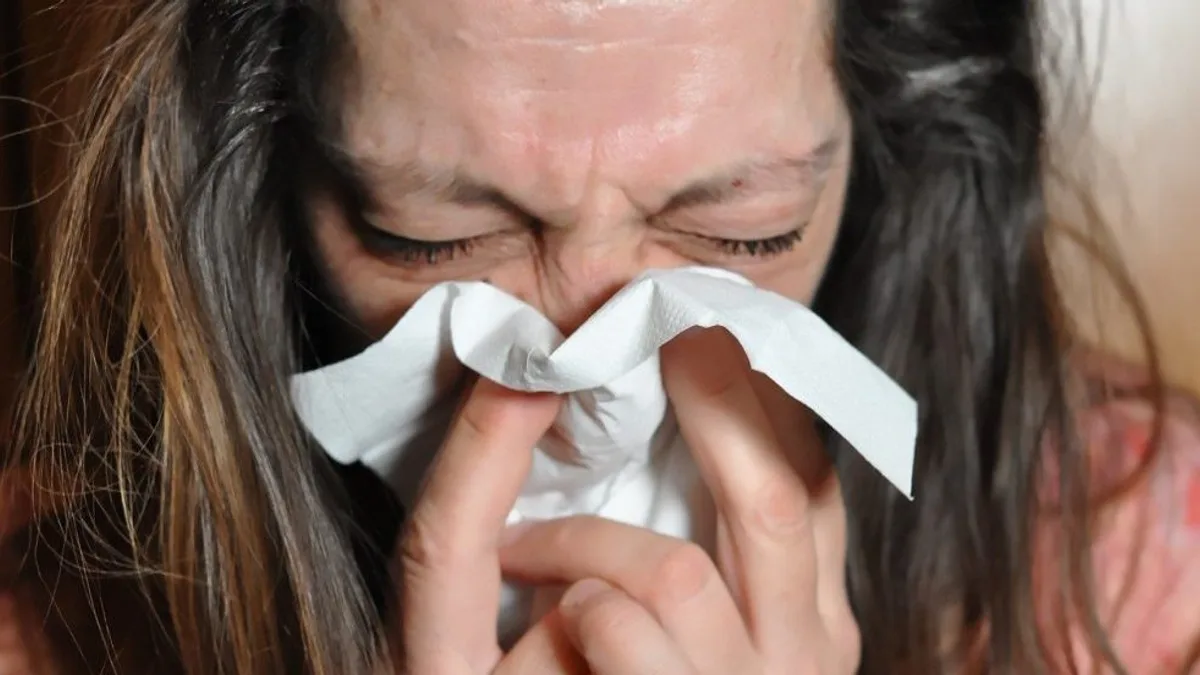
Is flu rising in Serbia? The number of people with flu-like illness is going up, but the flu virus itself is still not at epidemic level. In its report for week 42, October 12 to 18, the Institute of Public Health of Serbia “Dr Milan Jovanovic Batut” says 7,035 cases of flu-like illness were registered, with an incidence of 108.11 per 100,000 residents. That is more than a week earlier.
Flu virus activity is at the baseline level, below the epidemic threshold, but the incidence trend points upward. On Wednesday, October 21, we wrote about Belgrade data on respiratory infections, where the number of cases fell to 10,415. This week’s national snapshot shows incidence rising across the country.
Who is hit hardest?
As in previous weeks, children under four are affected most, at a rate of 326.64 per 100,000, followed by school-age children at 191.04. What is new is that rates have also risen among people aged 30 to 64, as well as those over 65.
Sentinel surveillance, carried out in selected health facilities, also records 13,579 cases of acute respiratory infection, an incidence of 1,026.72 per 100,000. Among children under four, that rate is 3,758.40.
Rhinovirus, which causes the common cold, dominates the positive samples at 42.85 percent. Adenoviruses follow at 7.4 percent and SARS-CoV-2 at 4.05 percent.
How many flu cases are confirmed in the laboratory?
In week 42, flu was confirmed in the laboratory in two patients from the Branicevo District, both with type A(H1N1)pdm09. The pdm09 label refers to the strain that caused the 2009 pandemic and has circulated as a seasonal virus ever since.
Seven flu cases have been confirmed in total since surveillance began. Epidemiological surveillance for the 2026/2027 season started on September 28.
What are epidemiologists in Nis saying?
Dr Marina Kostic, an epidemiologist at the Institute of Public Health in Nis, told Danas that the situation in the Nisava and Toplica districts is uncertain but under the control of the health service. She says:
“Over the past month, flu-like illnesses and acute respiratory infections have shown a rising trend.”
For the same area, Dr Kostic says that from September 14 to October 12 there was “one confirmed case of COVID and one of flu.”
Her message to the public is simple: “If people have cold symptoms, they should see a doctor for treatment.” Her recommendations include isolating the sick, stricter personal and general hygiene, frequent ventilation of rooms, avoiding large gatherings and a diet rich in vitamins. For those who have to share a room with healthy people, she advises wearing a mask.
Who should get a flu shot?
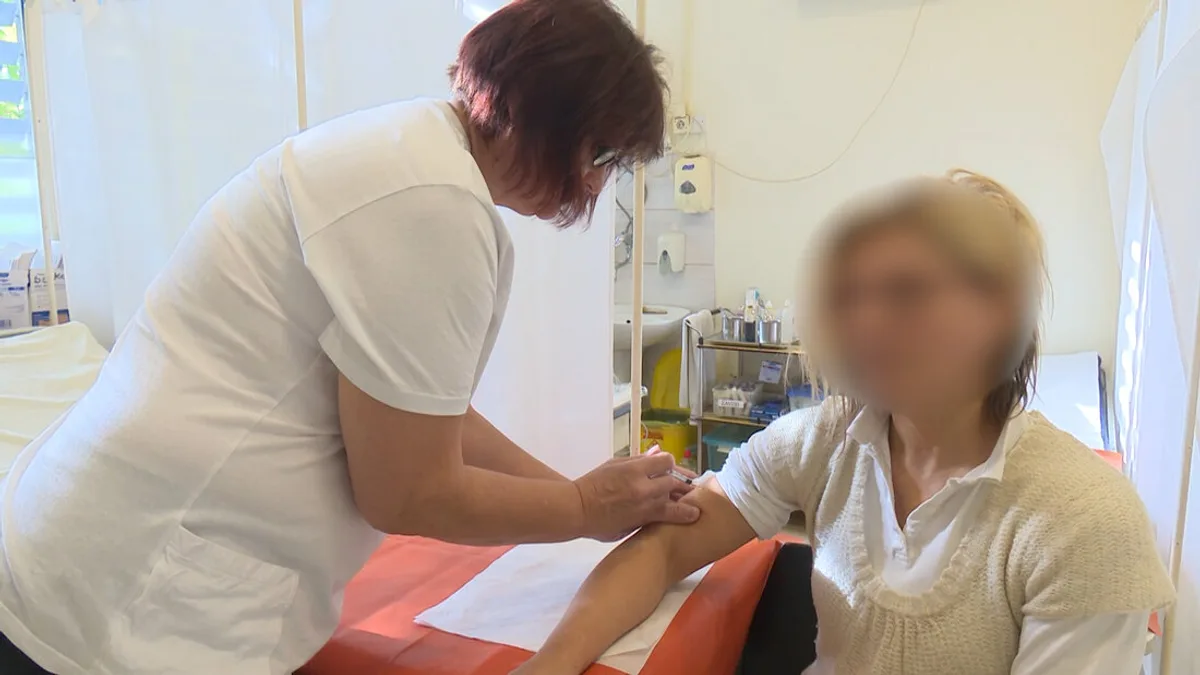
Seasonal flu vaccination began on October 14. A total of 315,000 doses has been secured: 288,000 doses of the trivalent Torlak vaccine and 27,000 doses of the imported Vaxigrip vaccine made by Sanofi Pasteur.
The vaccine is recommended for:
- pregnant women
- people over 65
- people with chronic illnesses
- health care workers
- residents and staff of nursing homes
- family members of people at risk
If you fall into one of these groups, talk to your family doctor before booking a vaccination.