

When do the clocks change? Sunday, October 25, 3 am to 2 am
Clocks go back from 3 am to 2 am overnight on October 25. Here is what you need to reset by hand and how to help your body adjust to the earlier dusk.
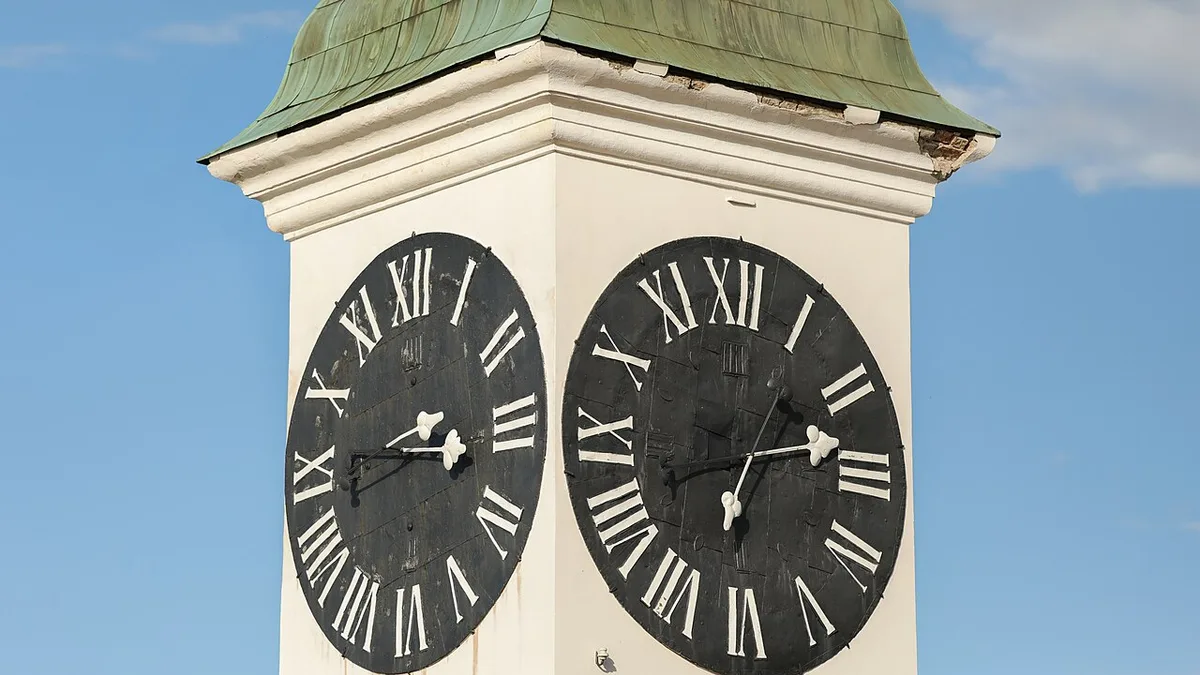
When do the clocks change, and will we really get more sleep? The change comes in the night between Saturday, October 24, and Sunday, October 25, 2026, when clocks go back from 3 am to 2 am. The night is an hour longer, but a longer sleep is not guaranteed.
Serbia thus ends daylight saving time, which began this year on March 29, when clocks were moved forward by one hour.
What changes by itself, and what do we have to reset by hand?
Phones, computers and most smart devices switch to the new time on their own, but only if automatic date and time zone settings are turned on. Check that before you go to bed.
You will need to set these back manually:
- wall clocks
- wristwatches
- some household appliances
- clocks in older cars
The rule is simple: turn the hands back one hour.
Why will it get dark an hour earlier?
The change does not shorten the day. It only shifts daylight earlier relative to the clock. Mornings get brighter, and in the afternoon you turn the lights on sooner.
In Belgrade the sun sets at about 5:38 pm on October 24, and the next day, after the change, at about 4:37 pm. People who spend most of the day at work will have fewer hours of daylight after the workday, while early risers get more light in the morning.
Meteorology expert Ivan Ristic says the distribution of daylight is one of the key reasons seasonal timekeeping is still in use. He told Newsmax Balkans what the day will look like after the change:
“After the switch to winter time, daylight will be distributed differently relative to the clock.”
Ristic added that he personally prefers summer time, because his rhythm follows the sun:
“I wake up with the sun, not with the clock, so summer time suits me better, for example. Then I get up earlier, sleep less and feel the morning, the day, the sun, the natural light in the morning that the body needs. On the other hand, winter time may suit some people more because of the different distribution of morning light. Personal habits play an important role in how individuals experience the clock change.”
Does an extra hour mean longer sleep?
Not necessarily. Psychologist Zeljko Masovic told Newsmax Balkans that people often do not spend the extra time resting:
“You won’t sleep longer, you’ll just go to bed later.”
Anyone used to going to bed after midnight may keep that pattern on October 25. Masovic also says humans are creatures of habit, so any disruption to morning routines can easily become a problem. He sees timekeeping itself as an agreement:
“The point is that people should accept that time is actually completely relative. Someone just agreed on it.”
How can the body adjust more easily?
The autumn change is easier to handle than the spring one, but a few steps help. Sleep experts offer this advice:
- Reset your clock just before bed. The American Academy of Sleep Medicine (AASM) advises against turning clocks back ahead of time and suggests doing it right before you go to bed. Go to bed at your usual time and get up at your usual time, and you will make use of the extra hour of sleep.
- Keep regular wake-up and bedtimes. Neurologist Kathy Goldstein of the University of Michigan Sleep Disorders Center says the body adjusts fastest when the schedule is regular and some time is spent in daylight in the morning.
- Avoid screens for two hours before bed. University of Michigan experts also advise no coffee after noon and as little alcohol as possible.
- Exercise in the morning or afternoon. Not right before bed.
The Academy warns that one extra hour cannot make up for sleep debt built up over weeks. In the first days after the change many people will tire earlier, because dark falls an hour sooner. Still, do not go to bed much earlier than usual, so your regular rhythm is not thrown off.
Why do clocks still change twice a year?
In 2018 the European Commission proposed ending seasonal clock changes. EU member states did not reach agreement on whether to keep summer or winter, that is, standard time, permanently, so clocks are still moved twice a year.


