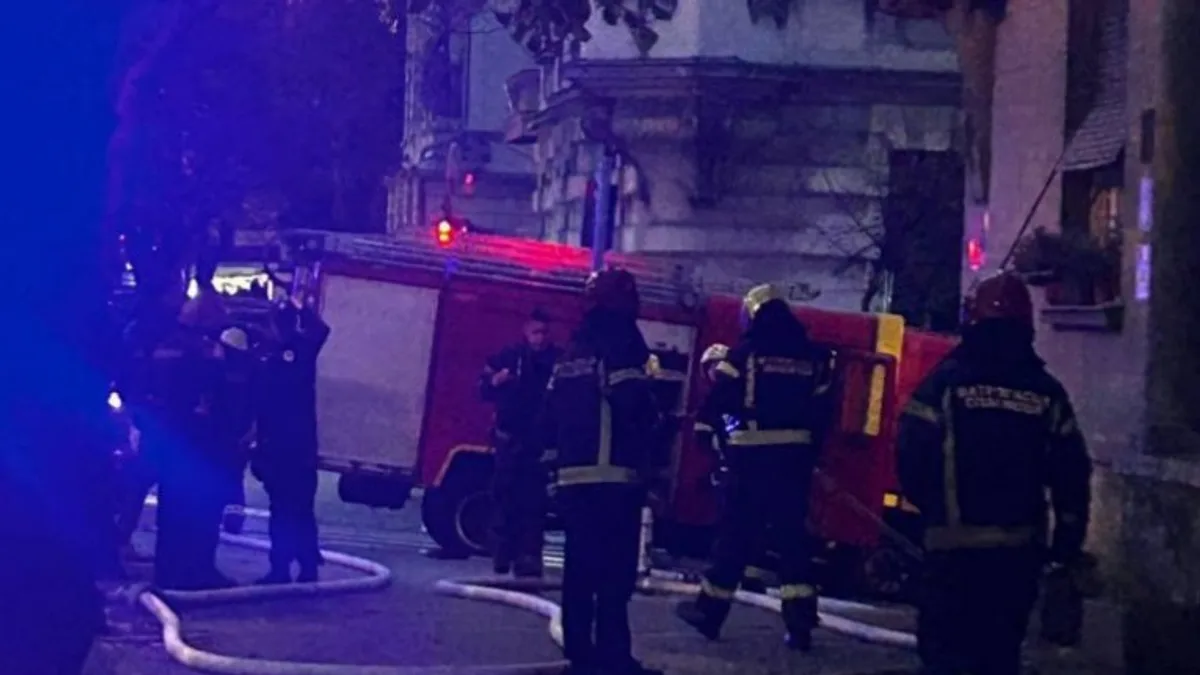
Belgrade Emergency Service Moves Into New Block A Building
The Emergency Medical Institute got an 8,000 square meter building, a call center more than four times the old one and a garage for 33 vehicles, as the move nears completion.
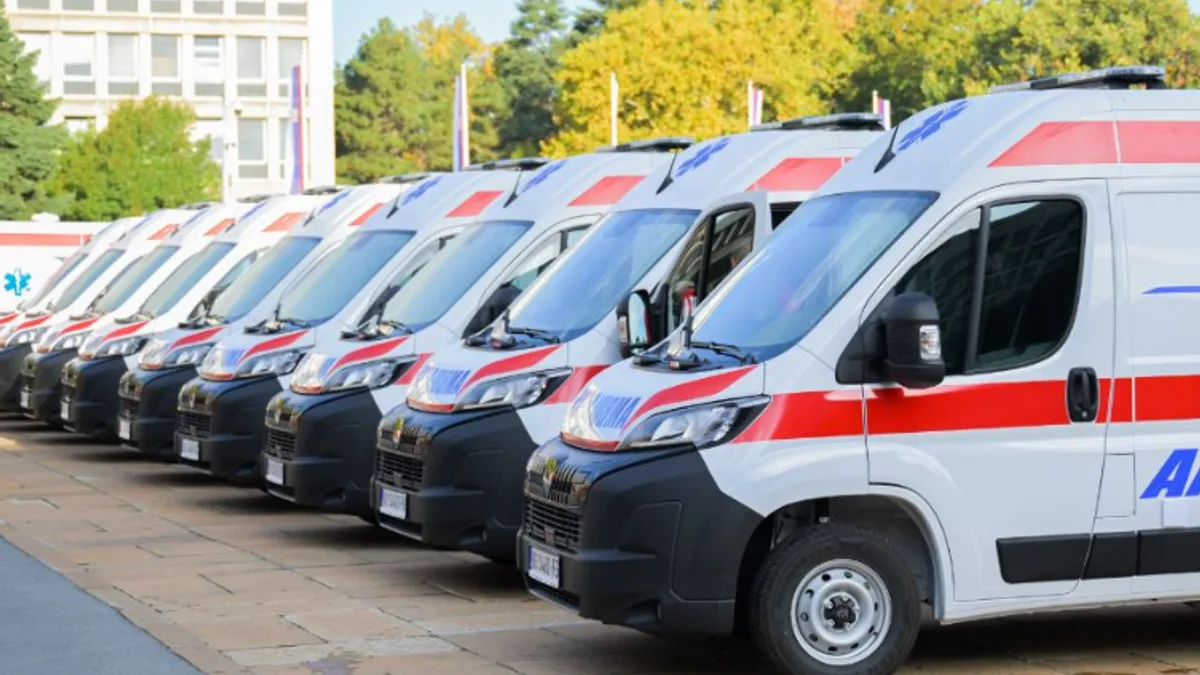
Where does the Belgrade emergency medical service call center work now? In the new Block A building next to the old one, and without a single interruption, staff say. The Emergency Medical Institute in Belgrade now has 8,000 square meters of space, and according to reports from the tour, the move out of the old building is still being wrapped up.
Block A houses the garage, the ambulances, a training and education center and the call center. About 20 million euros went into the new capacity, the expansion and the reconstruction. The building is automated, with thermal regulation, and was built under a program to improve the energy efficiency of healthcare institutions.
What has changed for the people who work there?
The old building has been in use since 1957, when Belgrade’s emergency service was founded. It will not be left to decay: reconstruction begins soon.
The biggest difference is the call center. The old one was 45 square meters, the new one is 200. It runs 24 hours a day, seven days a week, 365 days a year. All vehicles in the field are tracked from one place: emergency crews, transfers of patients between medical facilities and transport to dialysis. At any moment it shows where each crew is, whether there is congestion in the city and how fast a vehicle is moving.
One employee, who has worked in the service since the 1990s, said everything is different now:
“I’ve been here since ‘90 and I’ve worked in emergency services the whole time, and now everything is completely different. The most important thing is that the call center moved into the new building without interruption, we had no downtime at all, which matters for citizens, 24 hours a day, seven days a week, 365 days a year, we are here”
The employee’s name was not given. Institute director Goran Colakovic added that dispatchers now have more peace and quiet, that each has their own desk and that the desks are separated from one another, so they can focus on patients.
How many ambulances fit in the new garage?
The new garage holds 33 ambulances. Colakovic spelled it out:
“The garage is new, with 33 ambulances, one third more than it could hold before”
Crews who drive the new vehicles describe them as state of the art, with equipment like a hospital on wheels. There are 25 crews on the day shift and 24 on the night shift. Reports from the tour differ on timing: most present this as the current situation, while one says that this many crews will work.
Who does the call center serve, and what did the minister say?
Here the health system is measured by the number of people who call. Health Minister in the caretaker government Zlatibor Loncar said during the tour:
“I think this is a big day for them and for all the citizens of Belgrade, they are here for more than 1,300,000 to 1,400,000 people who gravitate toward their call center. It’s not said for nothing that emergency medicine is the mirror of a health system. So today we have something to focus on, we have the best center in the Balkans”
So the call center serves more than 1.3 to 1.4 million people who gravitate toward it, which is not the same as the city’s population.
What is the training center for?
The new building also has a training center. Young doctors had a training session on the very day of the tour. Loncar said the whole region and all of Serbia will use it, and announced that the model is being extended:
“The whole of Serbia gets it, the region too, you saw how big the education center is, if needed it will run 24 hours to train people, rules will be introduced, what you saw here will be in Novi Sad, Nis, Kragujevac, a bit less in other cities”
Loncar did not specify what exactly will be built in those cities, so it remains open how much of the Belgrade center will reach Novi Sad, Nis and Kragujevac.
The minister also repeated that over the next three years the state plans to invest one billion three hundred million euros in new hospitals, health centers and emergency stations. With equipment, he said, that would come to more than two billion euros.