Belgrade Respiratory Infections Rise to 9,960 Cases
The City Institute of Public Health Belgrade reported 9,960 acute respiratory infections from November 16 to 22, 15.7 percent more than the week before.

Does it feel like someone is coughing on every bus and tram? The numbers from the City Institute of Public Health Belgrade back up that impression: in the week of November 16 to 22, 2026, 9,960 Belgraders came down with acute respiratory infections (ARI), or 591.9 new cases per 100,000 residents.
A week earlier, from November 9 to 15, there were 8,606 cases. That is an increase of 15.7 percent. Influenza-like illnesses (ILI) are also climbing, from 359 to 389 cases, or 8.3 percent, which comes to 23.1 new cases per 100,000 residents.
What do these numbers mean, and what don’t they?
Acute respiratory infections are a broad category. It covers every respiratory tract infection that health centers report, so it is not a count of flu patients. The Institute collects its data from reports by health centers, the Institute for Student Health Care, the Institute for Health Care of Railway Employees and the Institute for Health Care of Interior Ministry (MUP) Employees.
The report does not list laboratory-confirmed flu viruses, hospitalizations or deaths. It shows only how many people were reported with symptoms that week and how that figure changes from week to week.
Who is hit hardest?
School-age children account for the largest share of ARI cases, but by rate per 100,000 residents the youngest children lead. The breakdown by age looks like this:
- ages 5 to 19: 32.7 percent of cases
- ages 30 to 64: 29.6 percent
- up to age 4: 24.5 percent
- ages 65 and older: 10.3 percent
- ages 20 to 29: 8.1 percent
The highest ARI rate is among children up to four years old: 2,262.2 per 100,000 residents. For influenza-like illnesses the picture differs by case count. Of the 389 cases, most are adults aged 20 to 64, with 208 or 53.5 percent. Next come children and young people aged 5 to 19 with 79 cases (20.3 percent), children up to four with 59 (15.2 percent) and people over 65 with 43 (11.1 percent). Here too the highest rate is among the youngest, 69.1 per 100,000 residents.
What does the Institute advise before you get vaccinated?
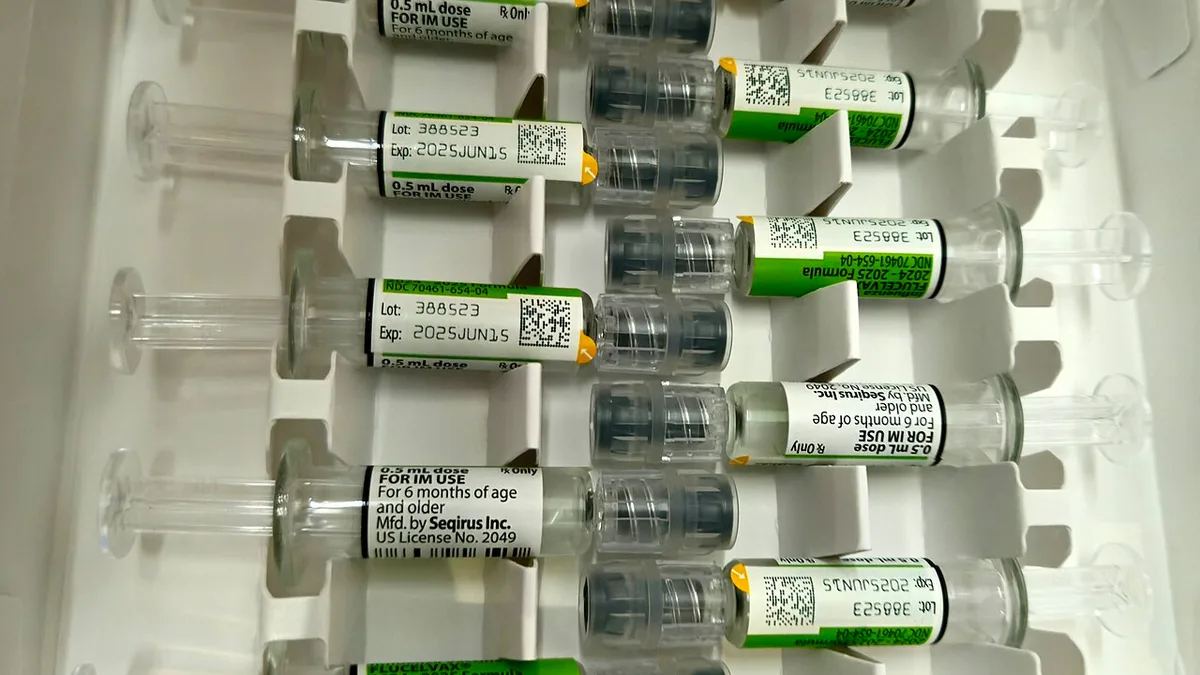
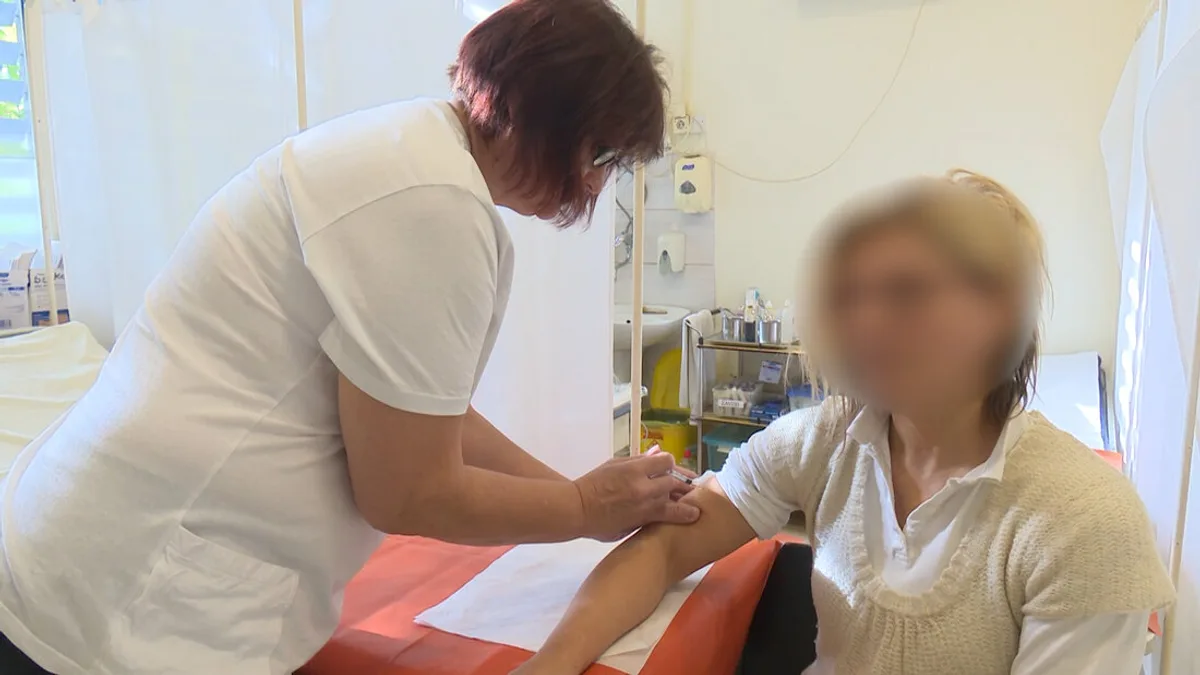
The City Institute names vaccination as the most effective way to prevent flu and stresses that protection develops only two to three weeks after the shot. That is a reason not to wait for the peak of the season. The weekly flu surveillance report for week 47 states:
The vaccine can be given at any time during the flu season, even after the virus has started to spread in the community.
The Institute urges in particular those for whom the illness can bring complications. The same report says:
It is recommended that all people at increased risk of complications get vaccinated as soon as possible.
Besides the vaccine, the report lists general measures that can be taken right away, without a prescription and without waiting:
- avoiding close contact with people who are sick
- washing hands regularly and avoiding touching the eyes, nose and mouth
- airing out rooms
- rest and a vitamin-rich diet