Study in Global Change Biology: extreme heat threatens almost 8,000 vertebrate species
A team of researchers has estimated that future heat extremes, combined with changing land use, could mainly seriously threaten close to 8,000 vertebrate species from a sample of nearly 30,000.
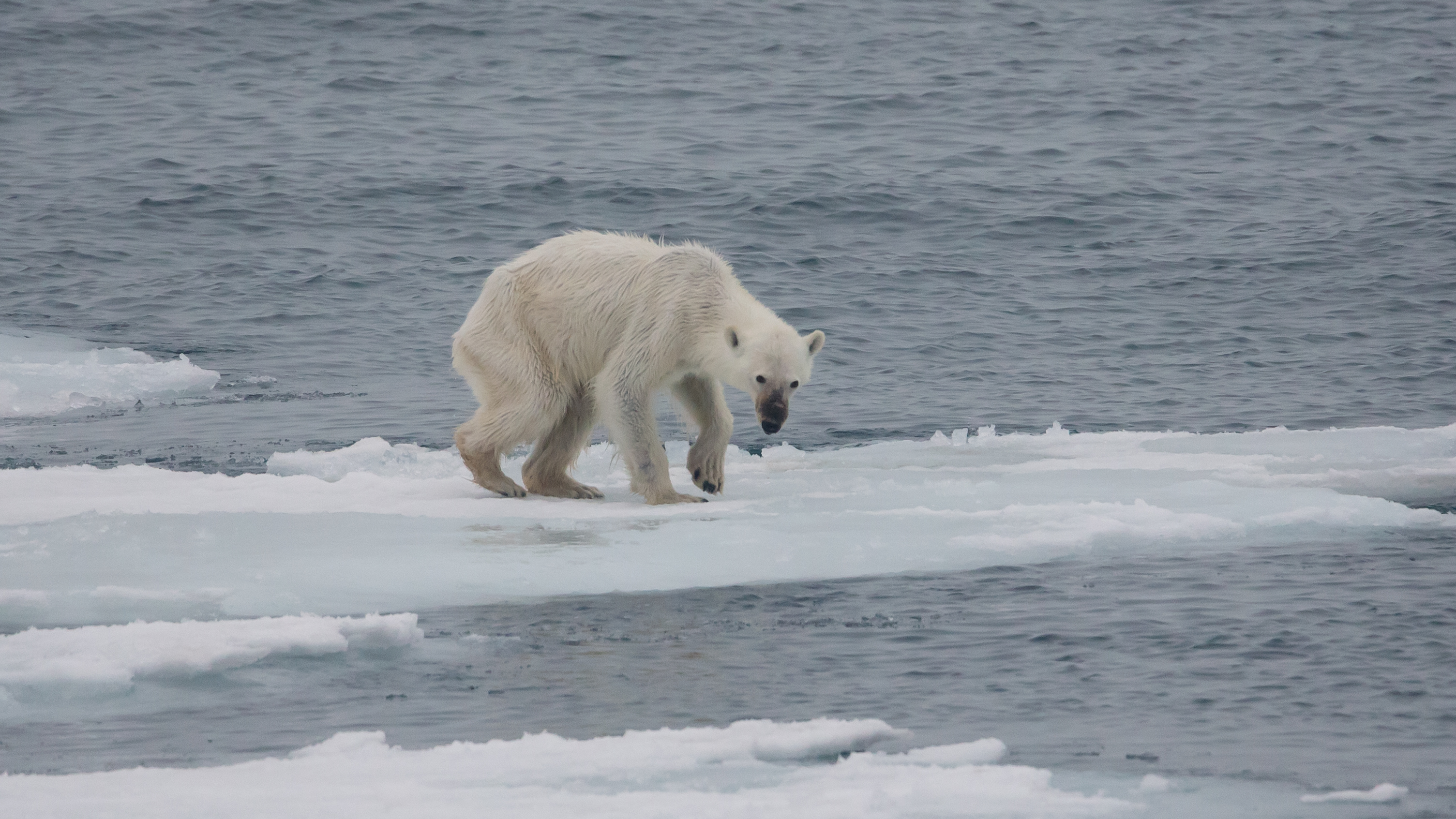
A study published in the peer-reviewed journal Global Change Biology, carried out by an international team of researchers, has estimated that heat extremes driven by climate change, combined with changing land use, could seriously affect close to 8,000 vertebrate species from a sample of nearly 30,000 species analysed. The study covered amphibians, birds, mammals and reptiles, with the analyses run using fifth-generation CMIP6 climate model projections (a coalition of climate models coordinated by the World Climate Research Programme) for warming scenarios in the range of 1.5 to 3 degrees Celsius.
The study builds on a series of earlier papers in the journals Nature, Science Advances and PNAS that since 2018 have documented rising mortality in individual invertebrate and vertebrate populations during heat extremes. The best-known case is the mass die-off of flying foxes (Pteropus poliocephalus) in eastern Australia during the summer of 2018, when more than 23,000 animals died in four days at temperatures above 42 degrees. The new assessment goes a step further and places heat extremes, rather than average temperature, as the primary risk to biodiversity in the coming decades.
Methodologically, the team mapped the geographic range of each species in the sample using data from the IUCN Red List and GBIF (the Global Biodiversity Information Facility), then cross-checked that range against projections of the number of days above the so-called “physiological threshold” for each species. The physiological threshold is the temperature above which a species cannot maintain thermoregulation for more than a few hours without serious consequences, a parameter derived from experimental studies over the past two decades. The correlation between the number of days above the threshold and the vulnerability estimate is statistically significant (p<0.01), but the authors stress that this does not prove causation at the level of individual species; it identifies a systemic risk at the taxonomic level.
What the finding does not prove
An estimate of 8,000 vulnerable species does not mean they will all go extinct over the coming decades. These are species for which the models predict that heat extremes will affect more than 50 percent of their ecological niche. The actual outcome depends on several factors, among them a species’ ability to move to cooler elevations or higher latitudes, to adapt (both physiologically and behaviourally), and on a web of other pressures, above all habitat loss and invasive species. According to the IUCN Red List, on its last update in 2025, six species were moved to the “extinct” category and 28 added to “critically endangered”.
A second important limit is that the study does not include invertebrates, which account for more than 95 percent of known animal species. Invertebrates, including ecologically pivotal groups such as pollinating insects and coral polyps, have different physiological thresholds and responses to heat, so the conclusions of this study cannot be transferred directly to them. An earlier 2025 study, posted on the bioRxiv preprint server and later peer-reviewed in Conservation Letters, showed that up to 70 percent of terrestrial insects could lose more than 25 percent of their current ecological niche by 2080, part of a wider picture that this study does not cover.
Finally, the authors warn that the combined pressure of heat extremes and changing land use, especially intensive agriculture, produces results greater than the simple sum of the two individual threats. A December 2025 study by Eawag and the University of Zurich, published in Nature, showed that intensive agriculture can support only 18 percent of the original biodiversity, compared with earlier estimates of 47 percent, which had left out poorly documented species. The practical implications of this mutually reinforcing set of studies are that conserving biodiversity depends both on cutting emissions (reducing the number of days above thresholds) and on structural changes in land use (protecting remaining habitats). The next global biodiversity assessment, to be compiled by IPBES, is expected in 2028.