Zabljak Ecological Capital: Milatovic Unveils 20 Measures
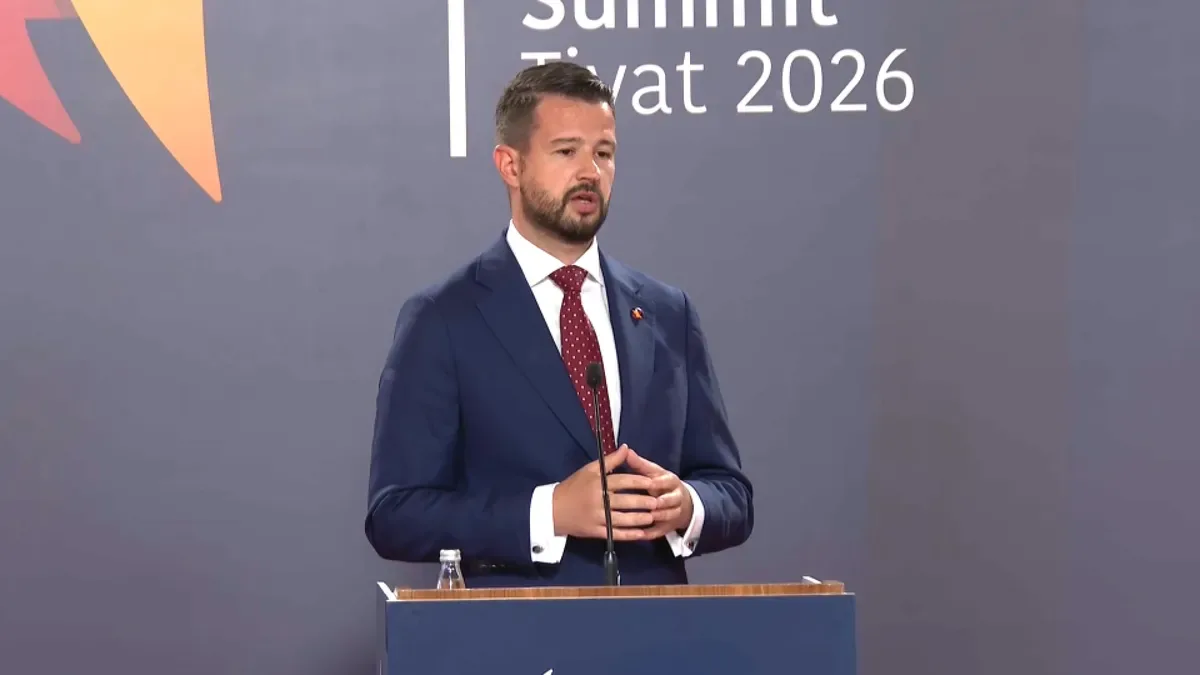
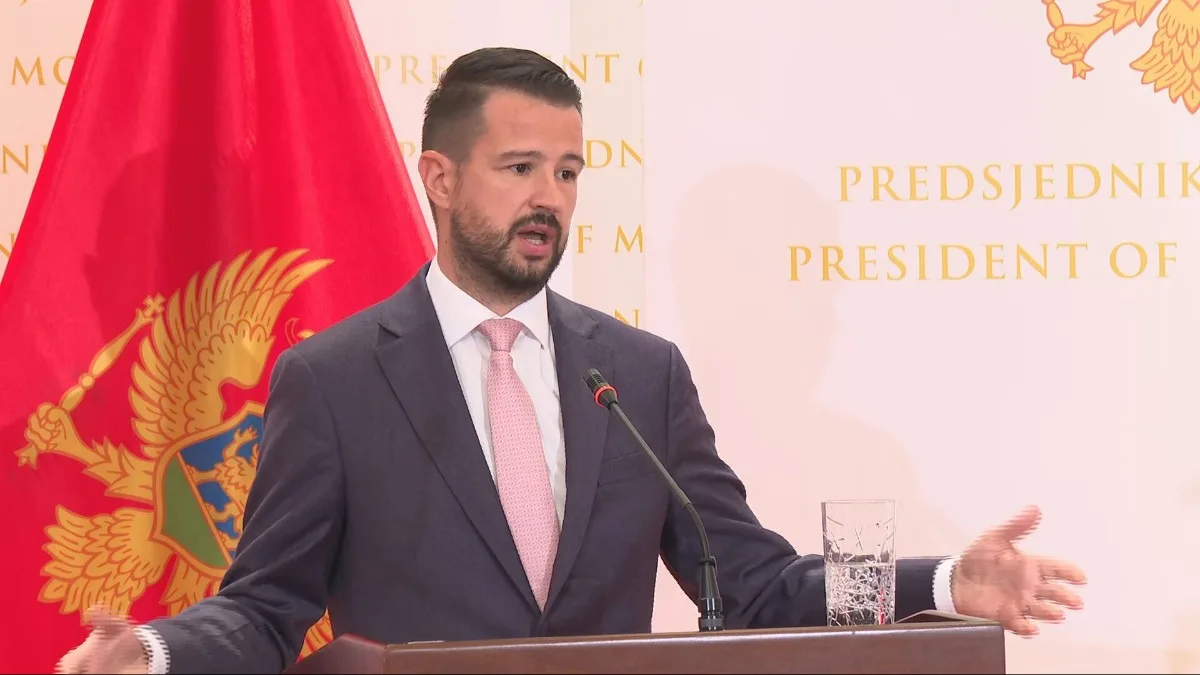
Marking 35 years since Montenegro declared itself the world's first ecological state, President Jakov Milatovic unveiled 20 measures, from free park entry to a green vehicle vignette.

Exactly 35 years after the declaration that made Montenegro the world’s first ecological state, proclaimed in Zabljak on September 20, 1991, President Jakov Milatovic presented the “Ecological State 2.0” initiative: a package of 20 concrete proposals meant to turn that idea into laws, projects and measurable results. For Serbia, this is not just news from next door. Durmitor and the Tara river basin border the Drina basin, and the two countries also share a link through tourism, since Serbian visitors fill Zabljak’s hotels every year, so any change to the protection regime in that area has consequences on this side of the border too.
Where the package of measures comes from
According to the President’s Cabinet, the initiative grew out of a round table Milatovic held with environmental activists and members of the academic community, people who have spent years working to protect Montenegro’s natural heritage. The package rests on three principles: decisions based on data and expert knowledge, timely protection of valuable natural areas before construction threatens them, and development planned according to the real capacity of the land, not the current interests of investors.
Zabljak as capital, free entry to parks
The central proposal would give Zabljak, the town where the 1991 declaration was adopted, official status as Montenegro’s ecological capital. Under the initiative, that status would become the basis for a dedicated development program for the Zabljak and Durmitor area, with investment in utility infrastructure, waste management, energy efficiency and environmental education.
Montenegrin citizens would get free entry to national parks under the new proposal, while parking, boat trips, guides and other commercial services would still be charged. Money for maintaining the parks would come from the state budget, the Eco Fund or a share of the revenue from a green vignette for motor vehicles.
“We take the best care of what we know and feel as our own,” Milatovic said, explaining why he considers free access to the parks a priority.
Biodiversity database and digital land registry
The package of measures calls for a single national biodiversity database that would bring together data from state institutions, universities, museums, national parks and civil society organizations, with particular attention to species about which too little is known today, such as large mammals and wild bees. It also proposes a public digital land registry of protected nature, where citizens, investors, municipalities and inspectors could check whether a given plot of land lies within a protected area or an ecological corridor. A mechanism for the preventive protection of future Natura 2000 sites is planned as well, to apply while the formal procedures for declaring them are still underway.
Forests, coastline and polluters
The initiative would also strengthen forest fire protection through fire risk maps, surveillance and thermal cameras and regular drone use, along with measures to protect the coastline from excessive construction. For the Bay of Kotor, it proposes an independent study of the impact of cruise tourism, and for packaging, a deposit return system. The list of measures also includes mandatory green criteria for public procurement and clearer rules on where solar and wind power plants can be built.
Milatovic stressed that any money raised through a possible ecological fee on vehicles must be spent transparently.
“Citizens must clearly see where money collected in the name of ecology was spent and what result was achieved,” said the President of Montenegro, announcing stricter financial penalties for polluters, set in proportion to the damage they cause.
First sites and a look toward the region
According to the President’s Cabinet, Spas hill in Budva and Valdanos in Ulcinj are named as the first sites where the new policy would be applied right away, with the aim of finally closing out protection processes that have dragged on for years. For the region, the experience from 1991 has long been part of the broader story of negotiations with the European Union over the environmental chapter, so every concrete measure Podgorica carries out also serves as a benchmark for how quickly neighboring countries can bring their own nature protection in line with European standards.
So far, the Cabinet has not given a deadline for the proposals to move through parliament and the relevant ministries, nor has it estimated the cost of the whole package. Whether “Ecological State 2.0” stays a document or Zabljak actually gets capital status will depend on how quickly the twenty proposals become law.