Moonless Skies Reveal the Milky Way: What to Watch
A new moon on July 14 brings the darkest summer skies, ideal for viewing the Milky Way, while Saturn's rings appear almost edge-on late in the month. Here is what to look for with the naked eye.

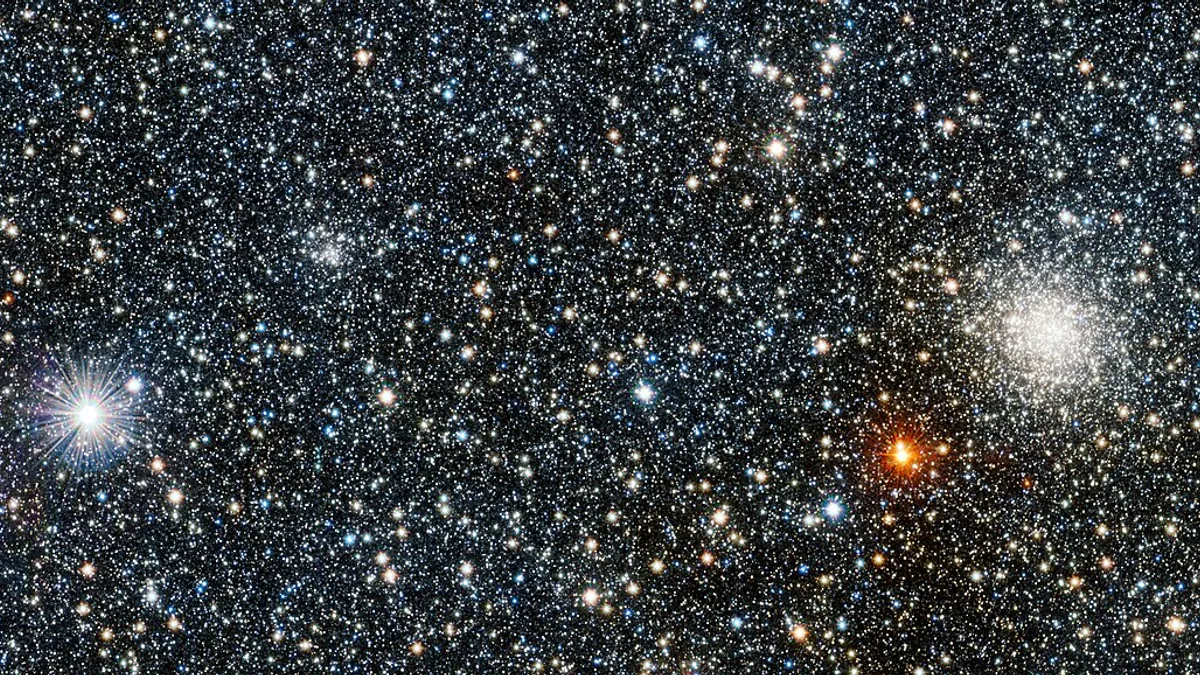
- The new moon on July 14 brings the darkest summer skies, ideal for viewing the Milky Way at peak visibility.
- From July 11 to 12, the Moon, Mars and Saturn line up in the eastern sky before dawn, all visible to the naked eye, while Uranus needs binoculars.
- Late in July, Saturn's rings sit at a very shallow angle, almost edge-on, so they look unusually thin.
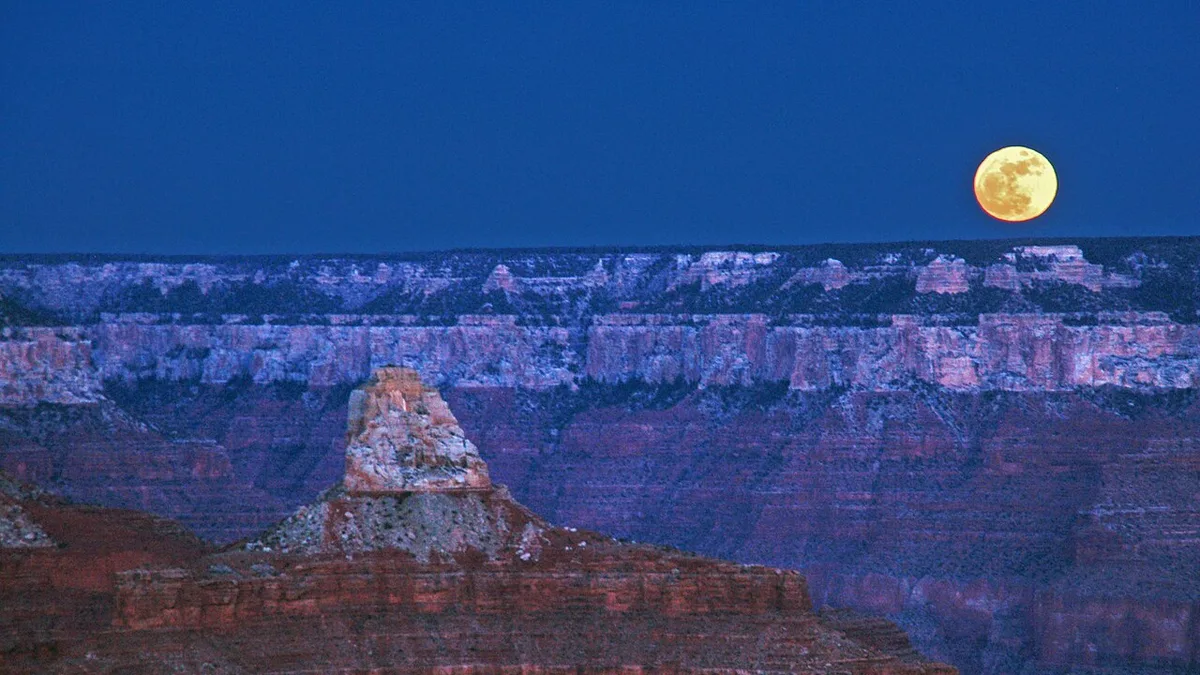
- On the evening of July 17, the Moon and Venus make a striking pair low in the western sky, soon after sunset.
This week’s summer sky offers several sights that need no telescope, only a dark spot and a little patience. The main event is the new moon on July 14, when the absence of moonlight opens up the darkest skies of the season and the Milky Way reaches full visibility. Alongside it, the planets line up before dawn, and late in the month Saturn passes through a rare phase in which its rings appear almost to vanish. All of it can be followed with the naked eye, from a meadow, a plain or anywhere well away from city lights.
It helps to start with a simple rule. The Milky Way and fainter phenomena depend on darkness, so the window around the new moon, roughly July 12 to 16, is the best time to observe. Moonlight washes out the sky and swallows the finest detail, which is why a full or nearly full moon is no friend to a deep-sky watcher.
What is visible before dawn on July 11 and 12?
In the early hours, before daybreak, the eastern part of the sky becomes the most interesting. From July 11 to 12, the Moon and two planets, Mars and Saturn, line up there, both planets visible to the naked eye as steady, non-twinkling points. Uranus lies in the same direction, but it is too faint for the naked eye and calls for at least binoculars or a telescope.
On the night of July 11, the Moon makes a fine sight as it passes near the Pleiades, the well-known star cluster, at a distance of only about one degree. That is roughly the width of a little finger held up to the sky, so the close encounter is worth noting. For those with binoculars and access to a truly dark sky, the faint comet 10P/Tempel 2 can be caught near the new moon, though it sits at the limit of visibility and no spectacle should be expected.
On the evening of July 17, the scene shifts to the west. Low above the horizon, soon after sunset, the Moon and Venus form a conspicuous pair that is easy to spot while the sky is not yet fully dark. That view needs an open outlook to the west, free of hills and buildings that would block the low sky.
Why Saturn’s rings look so thin
Late in July, Saturn enters a phase that is rarely noticed with the naked eye but is familiar to observers through a telescope. Its rings then sit at a very shallow angle to our line of sight, almost edge-on, so they look unusually thin, nearly a fine line cutting across the planet. This is a consequence of the tilt between Saturn’s axis and the path from which we view it from Earth, not any change in the rings themselves.
Such moments, when the rings are seen nearly edge-on, recur in cycles of several years, so each such season is worth following. To the naked eye, Saturn remains only a bright point, but through even a modest telescope the difference in the rings compared with previous years will be clearly visible.
For every sight this week the rule is the same, darker skies mean more detail. If you pick one night, make it one around July 14, when the Moon is practically absent. Which summer-sky sight would you look for first, the Milky Way over the plain or the planets lined up before dawn?