Artemis II: NASA Releases 800 Gigabytes of Moon Data
The full science dataset from the lunar flyby is now in the public Planetary Data System archive: more than 11,000 images, 8.5 hours of crew audio and three reports.

NASA opened the complete science dataset on the Moon from the Artemis II mission to researchers and the public on Wednesday, October 7, 2026. The material sits in the Planetary Data System, the American agency’s public repository for planetary missions, and totals more than 800 gigabytes, part of which had not been released before.
What is in the archive?
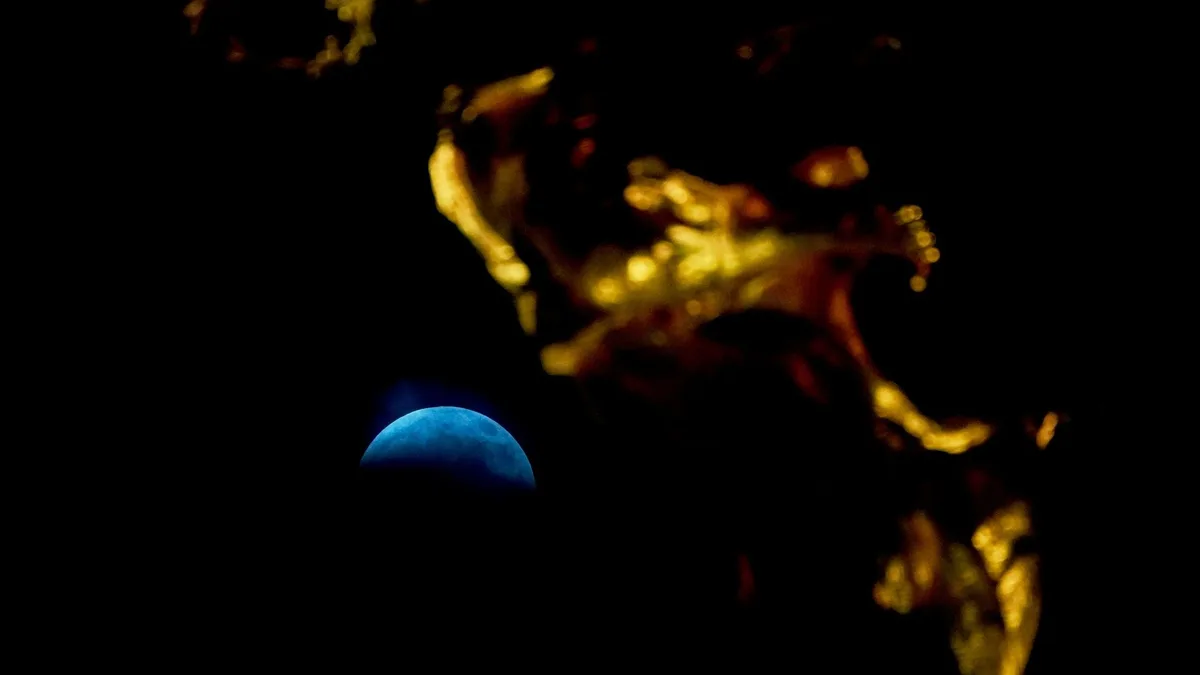
According to the agency, the archive holds more than 11,000 full-resolution photographs and video clips of the Moon, shot on the crew’s handheld cameras and on the cameras of the Orion spacecraft. Alongside them are 8.5 hours of audio in which the crew describe what they see on the lunar surface, plus images carrying annotations from crew members. The first release on the archive’s page also lists speech transcripts and temperature and humidity readings from the spacecraft’s storage lockers.
The handheld cameras were a Nikon D5 and a Nikon Z9. Orion’s own cameras supply footage from the flyby around the Moon.
NASA describes the set as the first planetary science dataset gathered mainly by humans in more than half a century. The agency says the crew built up knowledge of lunar geography and geology through classroom training, simulations and fieldwork, and that their choices about what to observe and photograph, along with their impressions of color and surface change, add to decades of data from the Apollo program and robotic missions.
Who took the images, and when?
Orion launched on April 1, 2026, at 22:35 UTC. Aboard were commander Reid Wiseman, pilot Victor Glover and Christina Koch of NASA, along with Jeremy Hansen of the Canadian Space Agency. The crew passed closest to the Moon on April 6, 2026, about 6,545 kilometers above its far side. Splashdown in the Pacific followed on April 11 at 00:07 UTC.
How is the material organized?
The archive is split into several packages, and all of them have been assigned DOIs (permanent identifiers) for citation. The lead node for Artemis II is the PDS Geosciences Node, which holds the package with mission documents and data on conditions inside Orion. The image and audio packages are run by the PDS Cartography and Imaging Sciences Node. The SPICE package, with data on the spacecraft’s trajectory and orientation, is delayed, and its release has been announced for one of the coming updates.
Three documents were published with the data: a preliminary report on lunar science, a report on science operations and a guide for data users. NASA says these materials are already helping with planning for Artemis III and later missions.
What does this release not mean?
This is a release of raw material, not of analysis results: none of the statements reviewed contains new scientific conclusions about the Moon. The claim that the data shapes Artemis III plans comes from the agency itself, with no independent check. The scientific value of the dataset will only become clear from studies that build on it, and one part of the material, the SPICE package, is still unavailable.