Students gather tens of thousands at Slavija
A large rally in central Belgrade ended in clashes after the formal close, police detained 23 people, and organisers are demanding resignations.

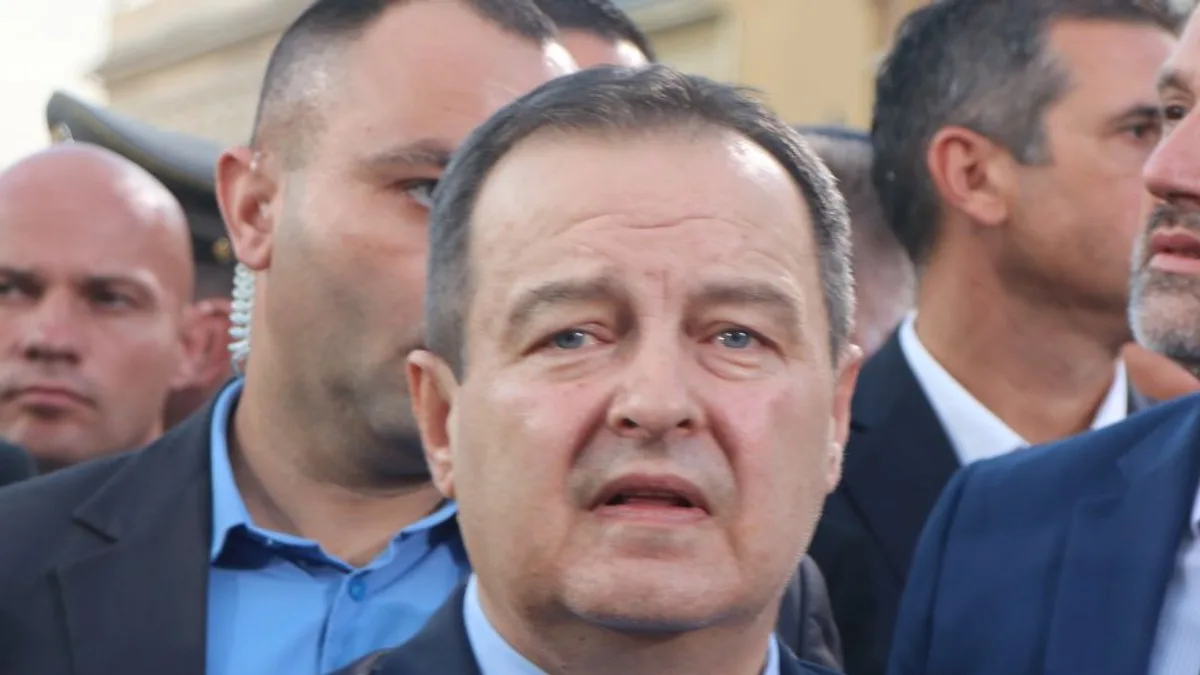
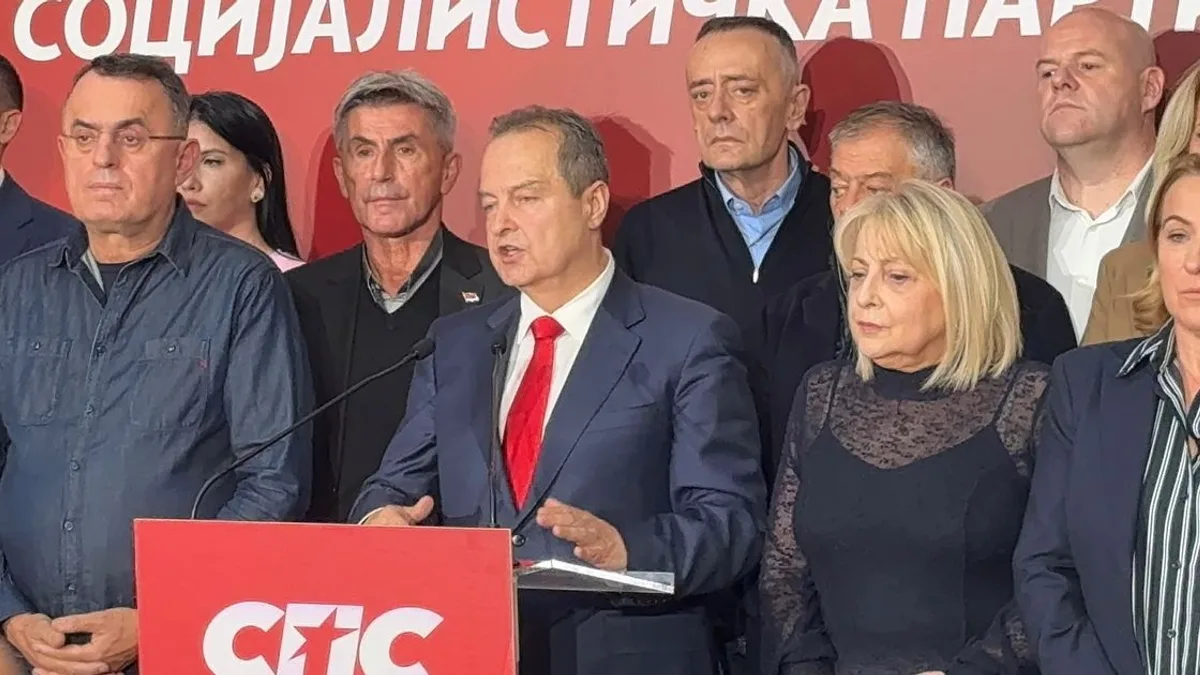
Students in blockade gathered tens of thousands of people at Belgrade’s Slavija Square on 23 May in one of the largest rallies since the start of the protest wave that began after the railway-station canopy collapse in Novi Sad in November 2024. The crowd-size estimates differ sharply: the police director put the figure at 34,300, while the Archive of Public Gatherings, which has tracked protest events for years, said the rally drew more than 100,000 people, according to the Masina portal.
The main rally lasted around two hours, after which events on the streets were taken over by clashes with police in the area of Pionirski Park and Kralja Milana Street. According to a report by Radio Free Europe, more than twenty people were detained during the incidents, while the Interior Ministry put the figure precisely at 23 people detained on suspicion of attacking police officers and disorderly conduct. Gendarmerie members were injured on the police side, the same report says, while protesters set fire to bins at several locations.
The demands set out by the organisers from the platform include publishing the full documentation of the Novi Sad railway-station refurbishment, dropping the charges against students and activists detained earlier, filing criminal complaints against the individuals who physically attacked protesters, and raising the budget for higher education by 20 per cent. The organisers set out the same points in short form on their blokade.org website.
Did the police act proportionately?
Interior Minister Ivica Dacic said police used minimum force to clear small groups that remained on the streets after the rally officially ended. Protesters, on the other hand, say gendarmerie units were deployed with armoured vehicles, tear gas and acoustic devices before the situation escalated. The Helsinki Committee for Human Rights in Serbia has said it will monitor the prosecution of the detainees and analyse footage from the centre of the clashes.
President Vucic, who was the same day preparing for his trip to China, did not address the rally from Slavija but, in a short statement for RTS, said the police have his support and the state would not allow “destabilisation by electoral means”. On the ruling coalition side, SNS parliamentary leader Milenko Jovanov said the number of participants was “significantly lower than announced” and that the rally had not changed the parties’ ratings.
From the opposition bloc, Marinika Tepic of the Party of Freedom and Justice and her party colleague Borko Stefanovic said the rally showed that a permanent critical mass of dissatisfied citizens has not dispersed even after a year and a half. Professor Snezana Markovic of the University in Blockade initiative said the next step of the student movement depends on the outcome of talks with non-party figures about a joint election ticket.
The logistics of arrivals from outside Belgrade, according to organisers’ figures, relied on more than 40 vehicles of the SOS taxi network that set off from Novi Sad before dawn, while Serbian Railways at 4:15 a.m. suspended all train services across the network, which the rally organisers, the Masina portal reports, called “institutional slowing” of the protesters’ access from other cities. With Serbian Railways calling it a “technical decision”, the railway workers’ union said the move was not coordinated through the standard procedure and would be the subject of an internal inquiry. From what we understand, some operators on local routes stepped in as an alternative, ferrying several thousand passengers to the surrounding municipalities.
The next protest date announced is the weekend of 30 May to 1 June, when the organisers plan rallies in Novi Sad to mark 18 months since the canopy collapse. By then, the High-Tech Crime Prosecutor’s Office is also expected to decide on the complaints lodged by protesters against individuals filmed attacking marches in earlier weeks.