Pro-European opposition shifts to weekly talks, joint list still elusive
Serbia's pro-European opposition is moving to weekly consultations, but agreement on a single electoral list remains out of reach, with some parties also weighing independent runs.

- The pro-European opposition is moving to weekly meetings to better coordinate before the elections.
- No agreement has been reached on a joint electoral list, with some parties considering an independent run.
- Five key leaders continue talks on a shared platform, but not yet on a list name.
- Student plenums want a clearer message from the opposition before election day is set.
Serbia’s pro-European opposition is moving to weekly meetings with the aim of tightening coordination before the upcoming parliamentary elections. Sources at the five key parties say the agreement on a regular schedule was reached after a series of bilateral consultations in May, though a joint electoral list remains out of reach.
The Freedom and Justice Party, the Democratic Party, the Green-Left Front, the People’s Movement of Serbia and the Movement of Free Citizens say the new meetings will address three points: a shared programme platform, the balance of influence in any joint list, and the relationship with the student movement.
What the leaders say
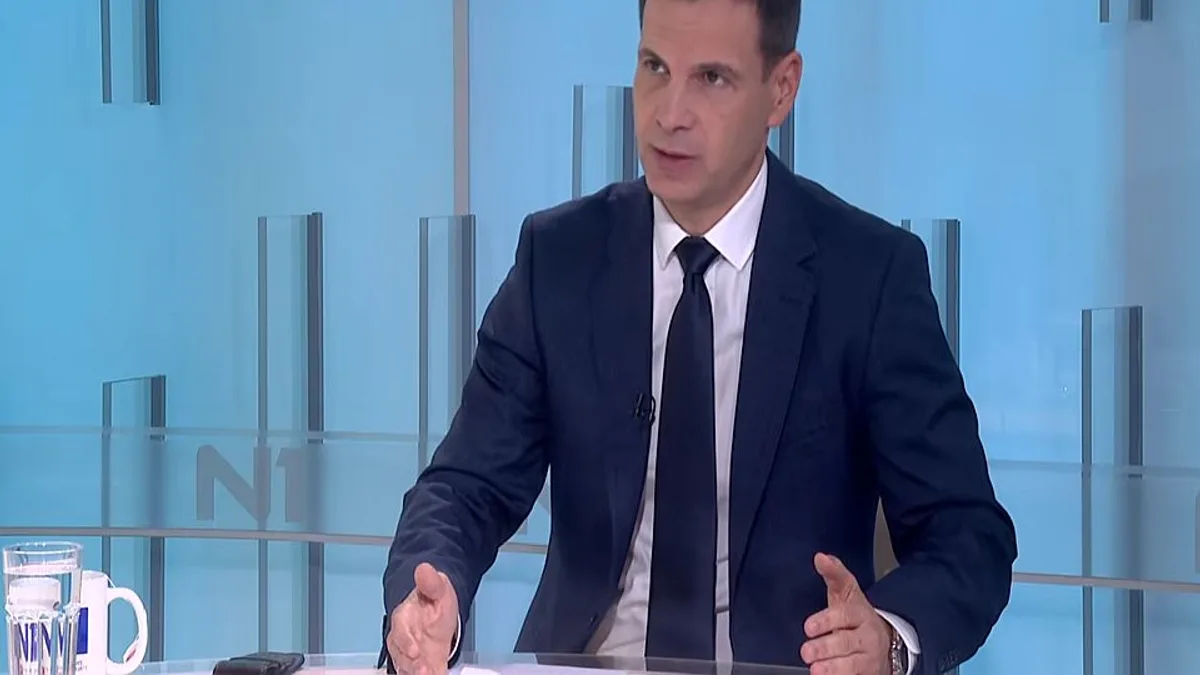
Dragan Djilas, president of the Freedom and Justice Party, said the five parties can agree on a basic platform, but that questions of first place on the list and seat distribution per party remain open. He says the weekly consultations aim to prepare alternative scenarios by election day.
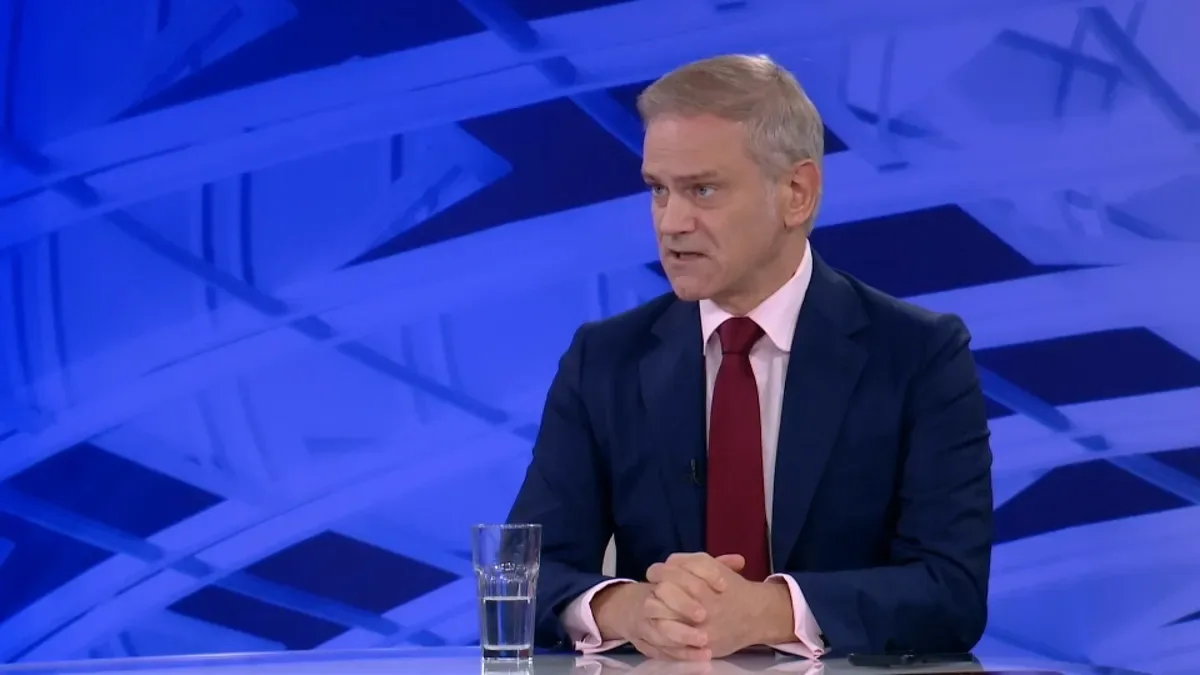
Borko Stefanovic, deputy leader of the Freedom and Justice Party, warned at the same time that a joint list could become a major risk if it ended up bundling well over ten parties. By his assessment, the sum of smaller lists could deliver more seats than a single broad coalition.
Three scenarios
Sources close to the consultations describe three possible scenarios:
- a single list of the five core parties, open to smaller formations
- two lists with a left and centrist profile, coordinating in parliament
- independent runs by each party, on a shared pre-election platform
The question of a student list, says political scientist Boban Stojanovic, further complicates the choice, because a shift of younger voters to the student list could affect the ratings of the other opposition slates.
Consensus on the platform can be reached without consensus on the list, but without consensus on the list voters will lose track of which party is offering what in which segment, so the choice between scenarios will have to be made before the end of July, reads a joint working assessment from the opposition parties.
Reaction from the student plenums
The student plenums have asked for a clearer message from the opposition before election day is set. Sources close to the plenum coordination say the student list will not enter formal coalitions, but could endorse a declaration binding all supported lists to specific reforms.
Parts of the pro-European opposition have signalled readiness to accept a student declaration, while keeping students out of any joint coalition. This is meant to avoid clashes between the students’ anti-party profile and the institutional structure of the pro-European opposition.
Local elections as a test
Analysis of the local elections in March, where the opposition outperformed SNS in eight of ten municipalities, supports the argument that running smaller lists in smaller districts produced better results than the ruling coalition had expected. The ruling majority has dismissed those results, citing the low turnout typical of local votes.
The Democratic Party argues that at the National Assembly level the strategy must be approached differently, since parliamentary elections draw higher turnout and greater media attention.
What the coming weeks bring
The five opposition leaders will continue consultations, with the next meeting set for 3 June. After the Tivat summit, where regional EU prospects will be on the informal agenda, sharper public messaging on opposition coordination is expected.
Will the pro-European opposition run on a single joint list, or on several separate lists with a shared platform?