Student plenums split over declaration versus list before elections
Student plenums in Novi Sad and parts of Belgrade are opening a debate on backing a binding declaration for future MPs instead of running their own electoral list, with the split unresolved.

- Part of the Novi Sad student plenum is pushing a declaration instead of an electoral list.
- The proposed declaration would bind future MPs to specific reforms without entering the race.
- Plenums in Belgrade and Nis broadly back an electoral list, but without consensus.
- The final format will be set by the day elections are called, the coordination says.
The student plenum in Novi Sad has opened a debate on whether to back a declaration binding future MPs to specific reforms, instead of running their own electoral list. The idea has support in parts of the Belgrade plenum, but has not been adopted by the university-level coordination.
The difference between the two approaches is more than formal. A list would mean students entering the race as a political subject with their own MPs, while a declaration would be a condition for endorsement of other lists willing to accept a set of demands.
What the Novi Sad plenum argues
The plenum at the Faculty of Philosophy in Novi Sad, together with the Department of History, says a declaration is a less risky strategy. By their reasoning, a student list could win a limited number of seats in parliament and become a minority factor, without changing the structure of power.
The proposed declaration, according to working documents from the Novi Sad plenum, would cover:
- statutory protection of voter roll oversight
- independent supervision of public broadcasters
- constitutional reform guaranteeing judicial independence
- automatic government reconstitution in cases of criminal acts by officials
Under that strategy, students would back only lists that accept all four conditions, securing greater political leverage than a minority parliamentary caucus would give them.
What the Belgrade plenums say
At the Faculty of Philology and the Faculty of Technology and Metallurgy in Belgrade, the prevailing view is that only an electoral list is a politically measurable move. By their reasoning, declarations easily turn into pre-election cosmetics, while a list gives students their own seat in parliament and direct accountability to voters for every decision.
Students who have blockaded faculties for six months have the legitimacy to enter parliament, not just to be a condition imposed on others, so any retreat from the list sends the signal that the occupation was pressure without follow-through, reads a joint message from several Belgrade faculty plenums.
How the decision is made
The final format of the strategy, according to the university coordination, will be set only by the day elections are called. The reasons for the delay are both technical and political. Technically, the candidate vetting is not yet finished, so there is no operational form of a list. Politically, parts of the plenums want to see concrete steps by the government first.
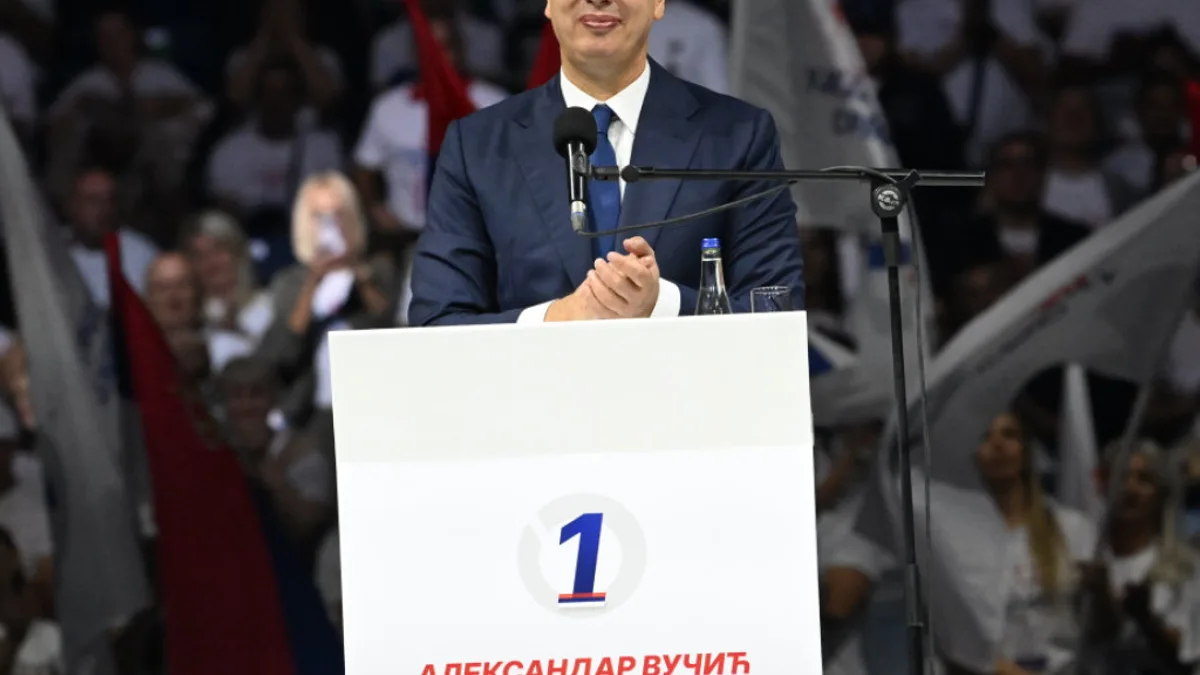
Vucic earlier called on voters to back students placed on the SNS list, which all plenums rejected as an attempt to co-opt names. The pro-European opposition has signalled readiness to support a joint strategy with the students, without specifying terms.
What the average voter expects to hear
Boban Stojanovic, a political scientist, said the average voter before elections expects a clear message about who is going into parliament. By his assessment, indecision between a list and a declaration could lead to weak turnout among younger voters who backed the student protests.
Parts of the plenum in Kragujevac also support a proposal not to form an electoral list, but instead to issue local-level endorsements for specific opposition lists in particular districts.
Will the student movement hold its strategy together until the day parliamentary elections are called?