Serbia Approves Carer Parent Allowance Bill
The Serbian government has adopted a draft law on carer parents, introducing a monthly allowance of 65,000 dinars for parents who care around the clock for seriously ill children. It is set to apply from October 2026.

- The Serbian government has adopted the draft law on carer parents, which heads to the National Assembly soon.
- Parents who care 24 hours a day for seriously ill children will receive a monthly allowance of 65,000 dinars and may not hold paid employment.
- The state will cover pension and health insurance contributions, and the status is not lost when the child turns 18.
- According to Minister Stamenkovski, the law takes effect in October 2026, with an estimated 4,000 to 5,000 parents qualifying for the status.
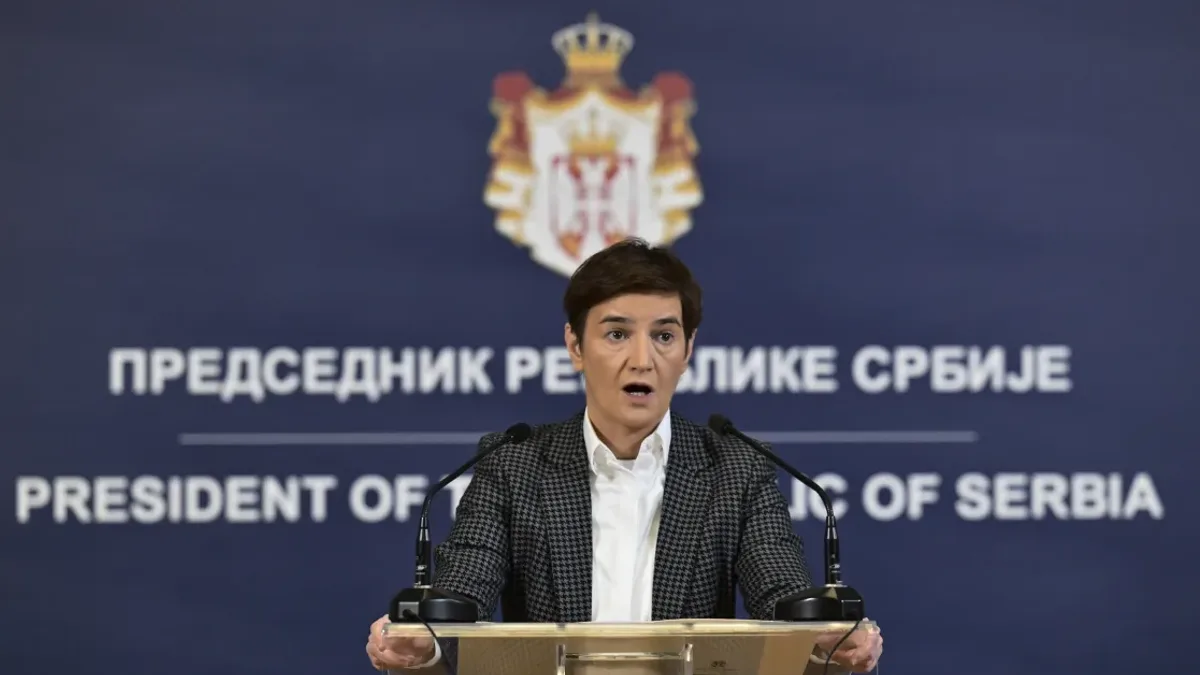
The Serbian government has adopted the draft law on carer parents, legislation that for the first time introduces a monthly allowance for parents who spend the entire day caring for a seriously ill child and therefore cannot work. The allowance is set at 65,000 dinars a month, and according to Minister for Family Care and Demography Milica Djurdjevic Stamenkovski, the status begins to apply in October this year. The draft heads to the National Assembly for adoption soon.
The core of the measure is straightforward, though it has long been absent from domestic law. A parent who takes on the role of carer receives a status that rules out paid employment, on the understanding that care lasts 24 hours a day. Alongside the monthly sum, the state pays pension and health insurance contributions from the budget, filling a gap that until now left many families without any insurance during the years devoted to a child.
What exactly does the new status bring?
The proposed solution contains two details that change the previous logic. First, the status is not lost the moment a child turns 18, which had been the threshold beyond which many families were left without systemic support even though the scope of care did not change. Second, the retirement age for carer parents is set at 65, so this period of care counts toward a working life and leads to a regular pension rather than to dependence on social welfare.
Minister Djurdjevic Stamenkovski specified that between 4,000 and 5,000 people could qualify for carer parent status. The number is small relative to the overall population, but these are families that have carried the burden for years without formal recognition, so a legal framework is a substantive change for them rather than a symbolic gesture.
A measure arriving on a pre-election rhythm
The law should not be viewed in isolation. It fits into a broader package of social and economic announcements the government is rolling out as the political campaign sharpens. That timing raises a legitimate question the opposition is already posing, namely whether this is a permanent systemic solution or a measure whose schedule is aligned with the electoral calendar. The answer does not come from this draft but from its implementation after October, when it will become clear how many families actually enter the status and how consistently the allowances and contributions are paid.
For families already living with a seriously ill child, the political context is secondary. Their yardstick is whether the 65,000 dinars and the covered contributions will truly arrive each month, without administrative obstacles. The debate in the Assembly will show how well the draft holds up in its final text, and the October start date will be the first real test. Do you think the proposed amount is enough for parents who cannot work while caring for a child?