St. Sava Temple Mosaic: 763.1 Million Dinars Approved
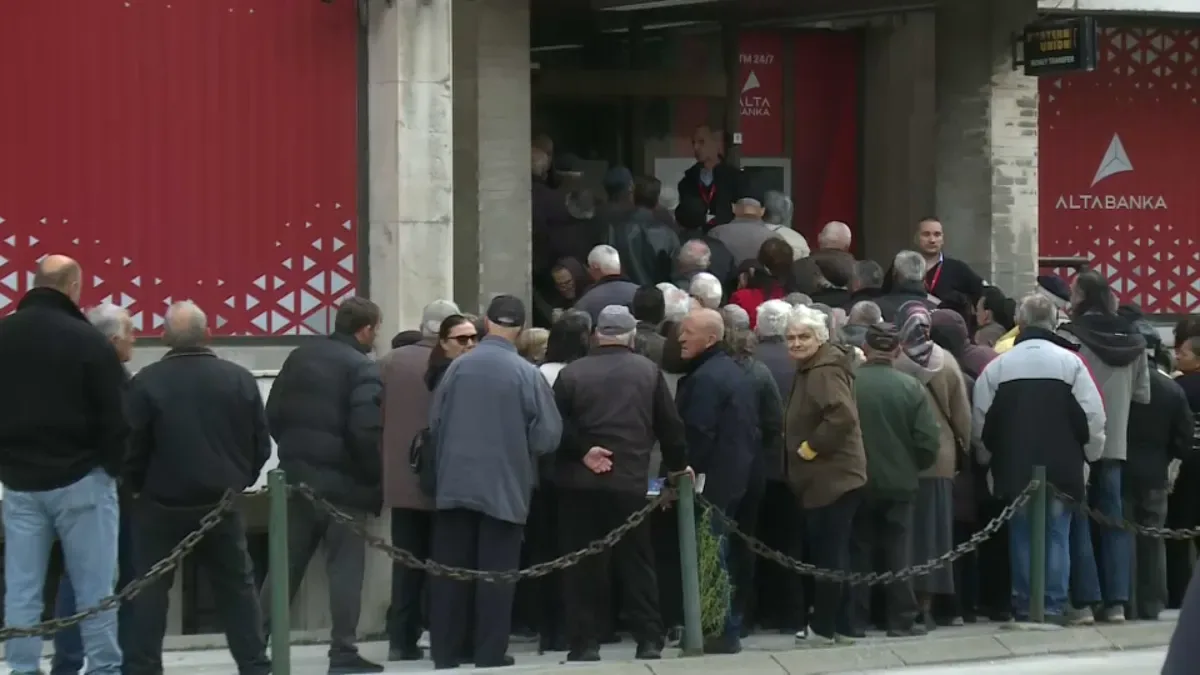
The state approved 763.1 million dinars for a new mosaic for the Serbian Orthodox Church, and part of the public money reached an account at Alta Banka, Vreme reports.
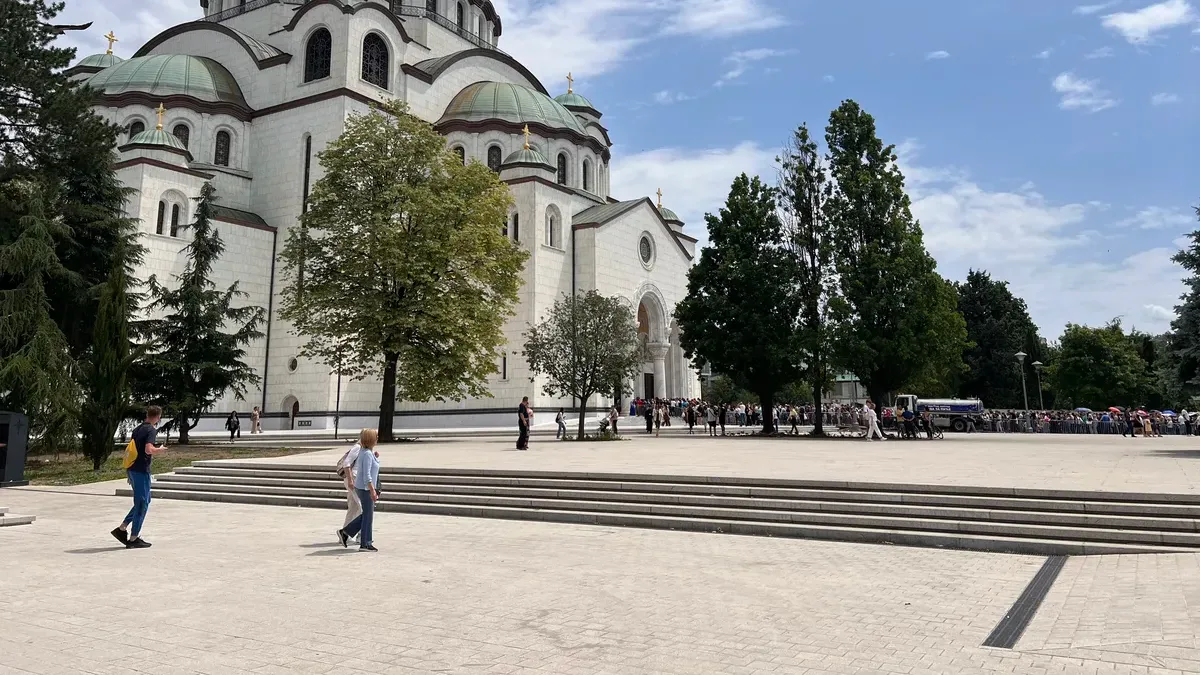
The Serbian government has approved 763,100,000 dinars, about 6.5 million euros, for the Serbian Orthodox Church (SPC) to make a mosaic in the Temple of Saint Sava, and part of that public money was paid into a church account at Alta Banka, the weekly Vreme reports. The same paper cites a suspicion that some of the funds were taken out of Serbia in cash and handed to partners in Moscow. The sources we read contain no evidence of that, and neither the Church nor the government has responded.
What does the mosaic contract say?
The contract was signed on St. Vitus Day this year by Patriarch Porfirije and Prime Minister Djuro Macut. According to the document Vreme obtained, the money is meant for a mosaic covering 2,315.33 square meters.
A payment of 234,800,000 dinars was made immediately, a little under a third of the agreed sum. The remaining 528.3 million dinars is due by the end of November 2026.
The other party to the deal is the Moscow International Foundation for UNESCO Support. Under the contract, the mosaic is to be made, delivered and installed in Belgrade by the end of 2027. Vreme also noted that the job is unclear, since the Temple was completed and opened in 2020, when it was announced that the interior works had been finished with a monumental mosaic and full outfitting of the interior. The weekly writes:
“It is not clear which mosaic this refers to, because the interior was completed in 2020. Two facts set off alarms for the public: public money was paid into one of the accounts the SPC holds at Alta Banka, and the second is the suspicion that the money was taken out of Serbia in cash and handed to certain partners in Moscow.”
In other words, the documents do not show which mosaic the contract covers.
Why does Alta Banka matter in this story?
We have reported on the collapse of Alta Banka and the arrest of its owner, Davor Macura. The bank lost its operating license at the end of October, and bankruptcy proceedings are still to come. Until now the two topics were followed separately: budget grants for the Temple on one side, the failure of the bank on the other.
According to Vreme, they now meet on a single account. The sources do not say whether the money from the SPC account is still in the bank or was transferred out before it failed.
Who is carrying out the work?
The contractor named is Dejan Nakic, a subdeacon and longtime close associate of the SPC. According to Vreme, he was detained in 2025 over a customs offense, as he was carrying a large sum of money, women’s handbags and cigarettes. The weekly has no information on whether proceedings were brought against him. Nakic’s brother, Serbia’s ambassador to Slovakia, is the subject of an investigation by the Prosecutor’s Office for Organized Crime over irregularities in the 2026 elections.
Vreme also relies on numerous sources within the SPC, who say there are earlier allegations of controversy over the Church’s operations.
What is still unknown?
The report carried by N1 contains no response from the SPC, the Serbian government, Nakic or the Moscow foundation. Vreme concludes that if everything was done in line with the law and the rules on spending public money to build Orthodox churches, it would be useful for the data to be made public and for the Church to explain how it paid for the work.
By the end of November it should be known whether the remaining 528.3 million dinars will actually be paid out, and into which account.