Srebrenica Marks 31st Anniversary as Ten Victims Are Buried
A collective funeral prayer was held at the Srebrenica-Potocari Memorial Center for ten newly identified victims, as Belgrade and Banja Luka again dispute the term genocide.

- The 31st anniversary of the genocide was marked at the Srebrenica-Potocari Memorial Center with a collective funeral prayer.
- Ten newly identified victims were buried, among them Senad Jusic, who was 20 years old.
- More than 6,000 people completed the Peace March route after three days of walking toward Tuzla.
- Republika Srpska declared July 4 a day of mourning for 3,267 Serbs killed in the Central Podrinje region.
The 31st anniversary of the genocide against Bosniaks was marked on Friday at the Srebrenica-Potocari Memorial Center, where ten newly identified victims were buried during a collective funeral prayer held in the early afternoon. Domestic and foreign delegations, families of the victims and survivors attended the commemoration, which opened at 9 a.m. with the reception of guests.
The youngest victim buried this year was Senad Jusic, who was 20 years old when he was killed in July 1995. The remains of the ten people laid to rest were identified only this year, meaning the number of those buried at Potocari continues to grow three decades after the crime. The funeral prayer was scheduled for 1:20 p.m., accompanied by a recitation from the Quran and a performance of the composition “Srebrenica Inferno”.
The day of remembrance was preceded by the Peace March. More than 6,000 participants reached Potocari after three days of walking the route by which people fled toward Tuzla in July 1995. As in previous years, the column brought together those who remember and those born after the war, turning the path of suffering into a ritual of memory repeated every July.
Why do the narratives of Belgrade, Banja Luka and Sarajevo still not align?
The word genocide remains the point where official policies diverge. Sarajevo and the Memorial Center insist on the legally established classification, grounded in the rulings of the International Court of Justice and the Hague Tribunal. Belgrade and Banja Luka contest that classification, speaking instead of a war crime while avoiding the term that carries the heaviest legal and moral weight.
That rift is not merely semantic. The Government of Republika Srpska declared July 4 a day of mourning and, in Bratunac, marked the 34th anniversary of the killing of 3,267 Serbs in the Central Podrinje and Birac regions, building a parallel calendar of remembrance. The two commemorations, separated by a few kilometers and a few days, read the same decade from opposite angles, each side placing its own victims first.
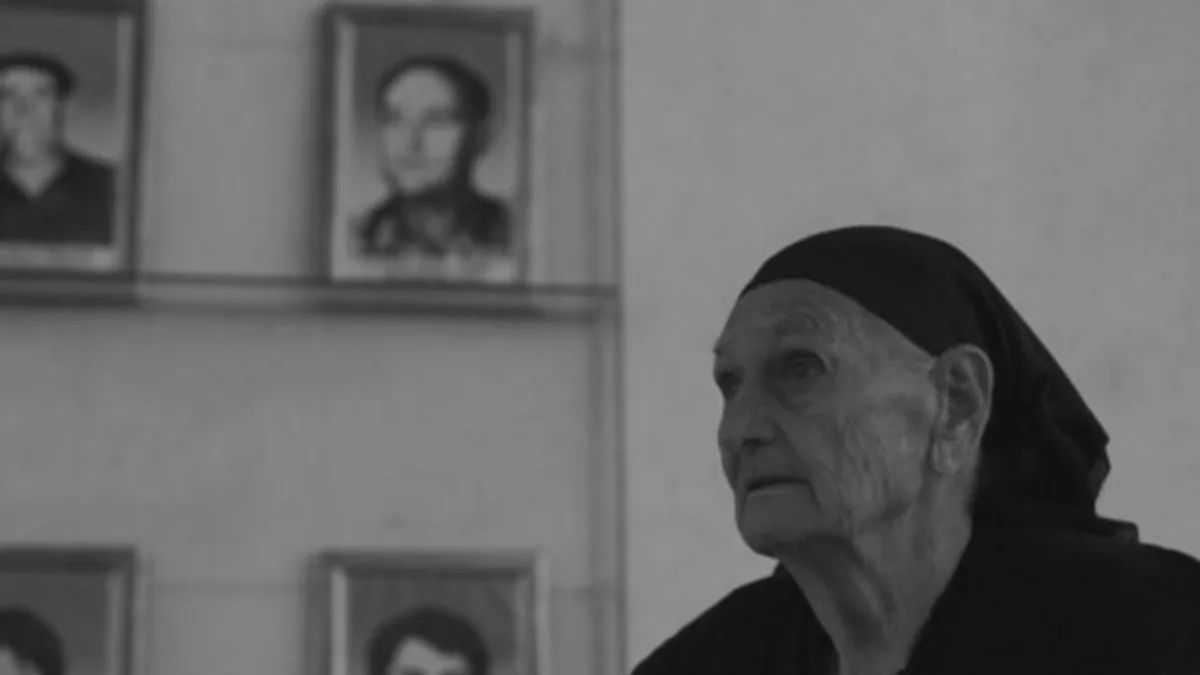
For the families of those killed in Srebrenica, the dispute over terminology carries a very concrete cost. While political leaders compete over wording, those searching for the remains of their loved ones care only whether the next July will bring new identifications and new graves at Potocari.
Remembrance that crosses borders
This year’s commemoration did not stay within the borders of Bosnia and Herzegovina. Memorial gatherings were also held in Zagreb, and an exhibition by the Memorial Center opened at the embassy of Bosnia and Herzegovina in Pakistan, carrying the story of Srebrenica to audiences far beyond the region.
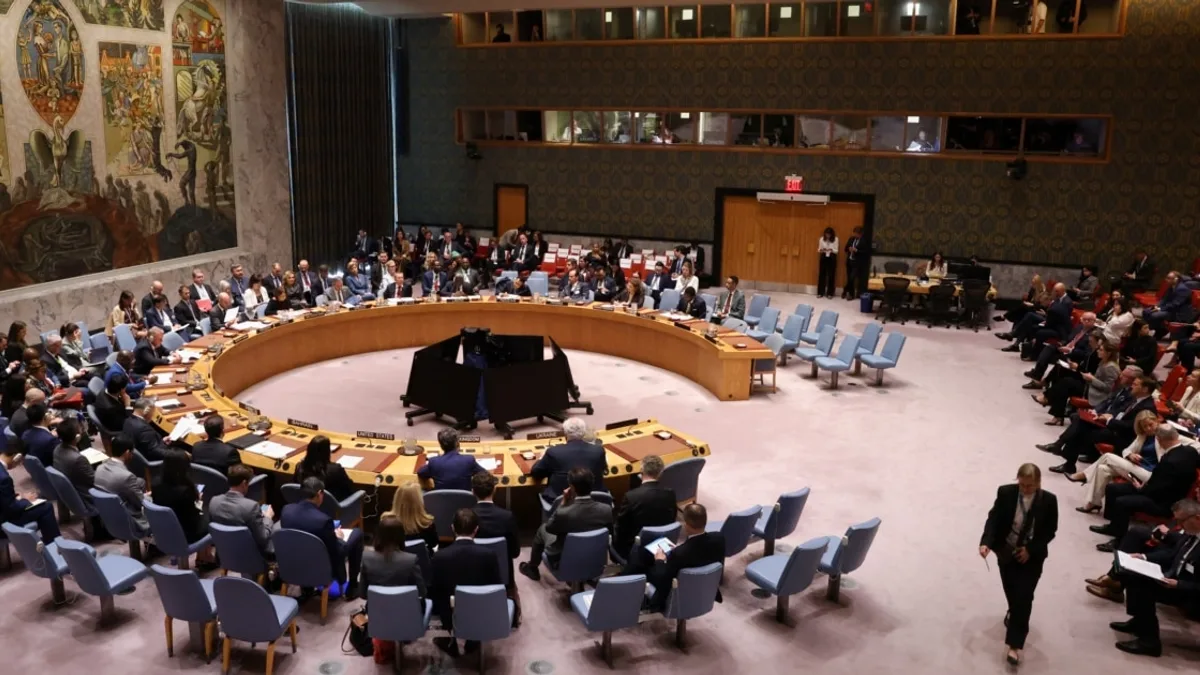
The United Nations General Assembly resolution that declared July 11 the International Day of Remembrance of the Srebrenica genocide has further internationalized a date that remains sharply contested in the region. The more international recognition the date receives, the clearer it becomes how unreconciled the internal narratives have remained.
Thirty-one years after July 1995, Potocari gains new names on its headstones each year, while the political language around them stays almost unchanged. Can a remembrance repeated every year become a bridge between communities, or will it remain a line of division?