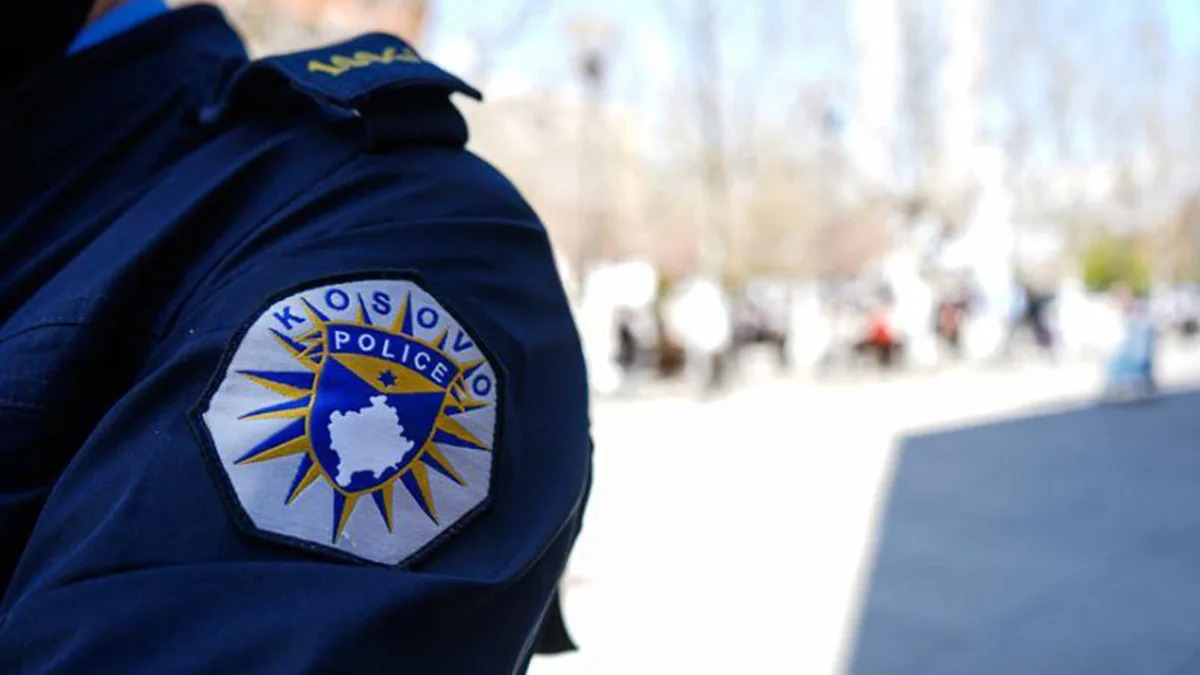
Kosovo Has No Parliament and No President as Clock Ticks
A month after snap elections, Pristina still has no seated parliament and no elected president. The 30-day constitutional clock is running, and Kurti, without a majority or an opposition deal, risks another round of voting.

- The 30-day constitutional deadline to seat parliament runs from July 9 and expires on August 7.
- Albin Kurti's Vetevendosje holds the most seats but no majority; the Serb List holds nine.
- Electing Kosovo's president requires at least 80 votes, making cooperation with the opposition unavoidable.
- If institutions are not formed in time, Kosovo faces a second consecutive election cycle.
A month after the snap elections held on June 7, Pristina still has neither a seated Assembly nor an elected president. The 30-day constitutional deadline, which began when final results were certified on July 9, expires on August 7. By that date, caretaker Prime Minister Albin Kurti must secure what voters did not hand him at the ballot box: a qualified majority and the consent of at least part of the opposition.
Vetevendosje again won the most votes, but once more without an absolute majority in the 120-seat legislature. The Serb List holds nine seats. The arithmetic is unforgiving. A government could technically be assembled with support from minority deputies, yet electing Kosovo’s president demands at least 80 votes, forcing Kurti to negotiate with parties he has treated as adversaries for years.
Why is Pristina stuck at the starting line?
The obstacle looks technical but is political at its core. The dispute centers on the commission for the secret ballot on the Assembly speaker, without which the inaugural session cannot be completed. The Constitutional Court earlier specified that the first parliamentary session must be finished, not merely convened, within the prescribed window, stripping Pristina of any room to stall.
Over the past several days Kurti has met the leaders of the three largest opposition parties: the Democratic Party of Kosovo, the Democratic League, and the Alliance for the Future of Kosovo. Talks with Bedri Hamza of the PDK and Lumir Abdiksiku of the LDK were held separately, and produced no deal. The opposition’s message is unambiguous. They will stay out of government and place responsibility for forming institutions on the election winner. It is a familiar pattern in which each side waits for the other to blink first while the constitutional clock keeps running.
What happens if the deadline passes?
The scenario nobody in Pristina openly wants, yet increasingly mentions in the corridors, is a return to the polls. If the inaugural session is not concluded by August 7, Kosovo would enter a second consecutive election cycle, with an uncertain outcome and a prolonged institutional vacuum. For a territory whose path toward European integration is already burdened by the stalled dialogue with Belgrade, another month without a functioning parliament or head of state is not a mere procedural hiccup but a signal of how deep the political blockade runs.
Kurti argues that responsibility for the institutions is shared by all; the opposition counters that it rests with the winner of the vote. Both sides invoke the Constitution, and neither offers a way to gather 80 signatures behind a future president’s name. The deadline is fixed and knows no political excuses.
Will Pristina find a formula for a majority by August 7, or are voters facing another trip to the polls before summer ends?