Vulin: Socialists Will Run on List the EU Cannot Touch
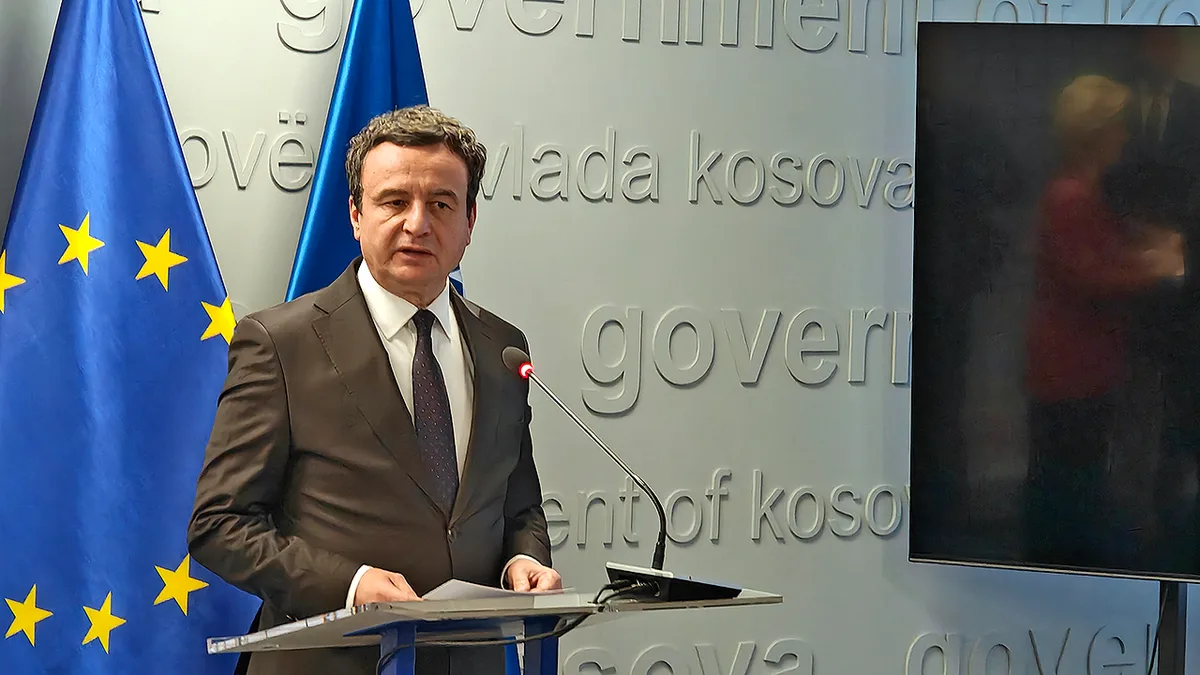
Socialist Movement leader Aleksandar Vulin says his party will contest the parliamentary elections on a list the EU cannot influence, claiming Brussels forced him out of government.

- Aleksandar Vulin announced that the Socialist Movement will run in the parliamentary elections.
- He wants a list the European Union cannot influence or use to remove anyone.
- He claims EU commissioner Marta Kos told him he cannot serve in government.
- He is signaling an alliance with forces opposing EU pressure and backing a membership referendum.
Socialist Movement leader Aleksandar Vulin said on Sunday that his party would contest the next parliamentary elections, but he immediately attached the condition that framed the entire announcement. The party, he said, wants an electoral list the European Union cannot influence, and from which it cannot push anyone off.
The message came from the pro-government camp at a moment when Serbia is buzzing with speculation over the timing and composition of the electoral race. Vulin specified that the Socialist Movement has not yet decided which list it will join, explaining that it does not want to become a burden to coalition partners whose relationship with Brussels is delicate. He suggested his party’s presence could hurt others in the talks on opening Cluster 3.
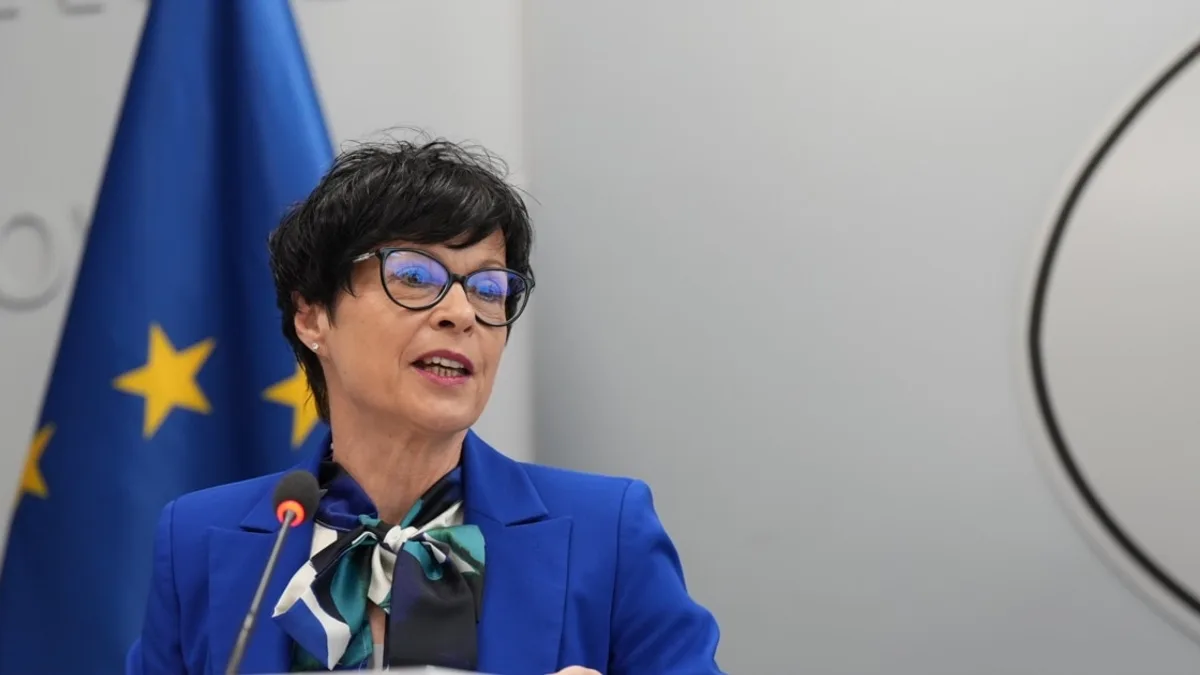
Vulin devoted most of his remarks to a personal grievance. He claims that EU commissioner Marta Kos made it clear he could not be a member of the government, and he points to that decision as the reason he left his post as deputy prime minister. His argument is unambiguous: he lost his place in the executive not because of his performance, but because of pressure from Brussels.
Why does Vulin tie the list to Brussels?
The whole announcement rests on a single idea, that the electoral process in Serbia is open to conditioning from abroad. Vulin presents himself as the man Western offices want removed, turning a list free of that influence into a political point. That solves two problems at once. It reframes his own removal from office as proof of independence, and it casts his return to the ballot as resistance rather than a bid for a mandate.
For voters drawn to an anti-Western tone, that message carries clear value. It asks for no explanation of policy, only of loyalty. Vulin is signaling an alliance with forces that oppose what he calls EU pressure, along with support for the idea of a membership referendum. It is a position that gives him a recognizable space on the hard, sovereigntist edge of the pro-government bloc, where votes are not easily shared with more moderate partners.
An open question remains: how much of this is an actual organizational decision, and how much is pre-election positioning. The Socialist Movement is a small party that measures its weight by proximity to power rather than by seats. The demand for a list no one can touch sounds decisive, yet it says nothing about whom Vulin will actually share a campaign with.
How the message will land in the campaign
With the electoral calendar only starting to take shape, every announcement from the ruling camp reads as a signal about internal relations. Vulin’s insistence on Brussels as the culprit lets him play a role he clearly enjoys, that of the man who says what others in the coalition leave unspoken. Part of the opposition sees such rhetoric as an attempt to shift the campaign away from domestic issues, corruption and the state of institutions, toward an external conflict that rallies the base.
For now only one thing is certain: the Socialist Movement is entering the race, and the way it is doing so says more about positioning than about numbers. The real test will come when the decision on the list is made, because only then will it be clear whether the talk of independence from the EU was a principle or a bargaining chip.
Does Vulin’s message about a list the EU cannot touch actually draw voters, or is it above all a pose for internal party use?