France signs five agreements with Kosovo, backs 60m loan
French Europe Minister Benjamin Haddad visited Pristina, where five cooperation agreements were signed, including a 60 million euro loan for infrastructure ahead of the 2030 Mediterranean Games.

- France and Kosovo signed five cooperation agreements during the visit of French Europe Minister Benjamin Haddad to Pristina on July 27.
- The centrepiece is a 60 million euro loan from the French Development Agency for infrastructure ahead of the 2030 Mediterranean Games.
- The money is earmarked for renovating the student campus in Pristina and sports facilities at 13 educational institutions.
- Haddad stressed that progress also depends on meeting obligations under the Brussels Agreement.
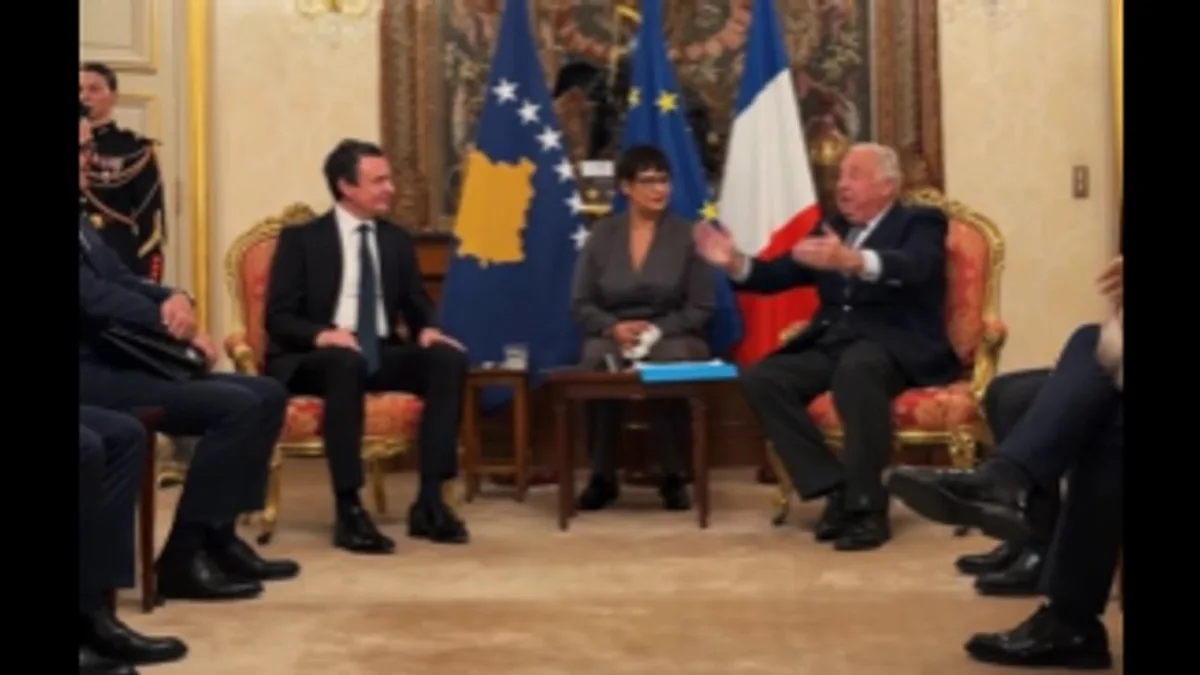
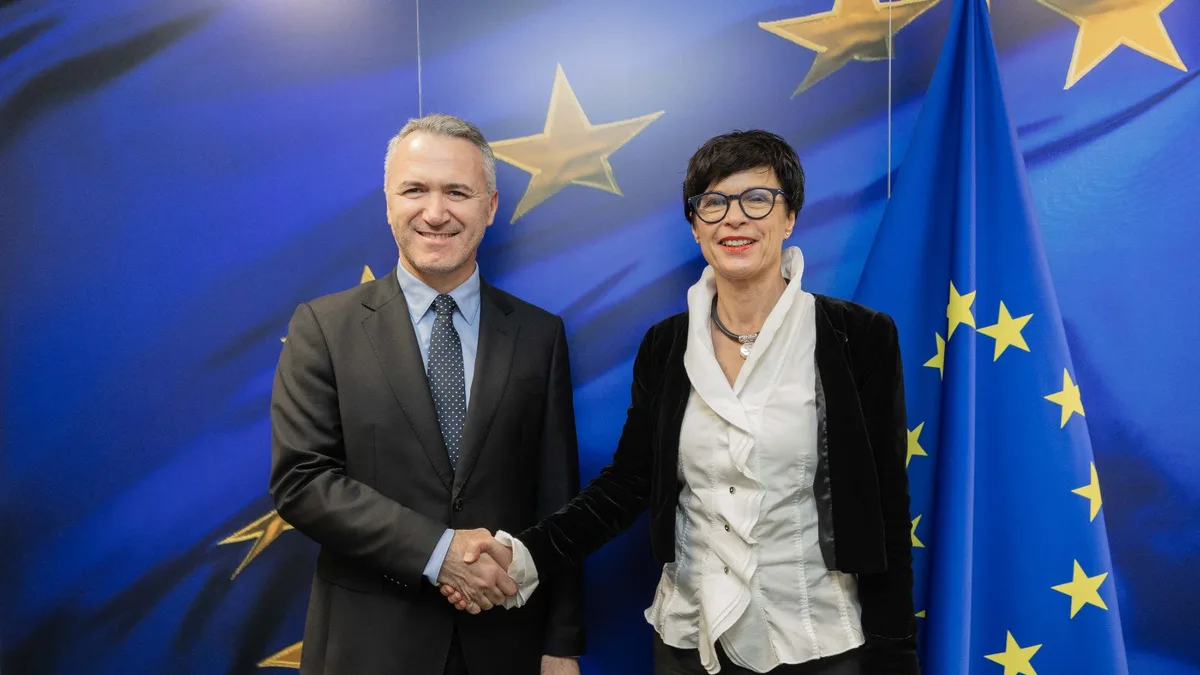
French Minister for Europe Benjamin Haddad visited Pristina on July 27, where five cooperation agreements were signed with Kosovo officials. The package covers infrastructure, justice and education, and its single largest item is a 60 million euro loan from the French Development Agency.
The funds are intended for infrastructure ahead of the 2030 Mediterranean Games, including the renovation of the student campus in Pristina and sports facilities at 13 educational institutions. Alongside the loan, the two sides signed an administrative arrangement on French language teaching in Kosovo, a convention on mutual legal assistance in criminal matters, and an extradition agreement.
The visit continues the line established in March this year, when Albin Kurti met French President Emmanuel Macron. During his stay in Pristina, Haddad said France supports Kosovo’s integration into international institutions, a formulation that Belgrade reads as the most sensitive part of the entire package.
Five documents, from language to extradition
The structure of the package is not accidental. The loan for sports and student infrastructure is the visible part, the one that translates easily into photographs and construction announcements. The conventions on mutual legal assistance in criminal matters and on extradition are quieter but carry more long-term weight, because they establish a direct legal channel between Paris and Pristina, with no intermediary.
The administrative arrangement on French language teaching looks like the smallest item, yet it is a classic instrument of long-term influence. France has used such arrangements for decades, from the Maghreb to Eastern Europe, and as a rule they precede deeper political and economic presence.
Kosovo’s acting foreign minister, Glauk Konjufca, underlined his commitment to aligning with European Union policies and said Pristina’s strategic choice is settled. “Our choice is Europe, the European Union,” Konjufca said. The fact that the most important foreign policy messages are currently being delivered by an acting minister rather than one with a full mandate also says something about the institutional phase Pristina is in.
Haddad, however, offered no unconditional backing. He stressed that progress also depends on meeting obligations under the Brussels Agreement, thereby preserving the standard European conditionality. That sentence is also the only point on which Belgrade and Paris formally agree, since both sides invoke the same document while drawing different conclusions from it.
Why does this visit matter for Belgrade?
For Serbia the problem is the direction, not the sum. A loan of 60 million euros is not an amount that changes the region’s economic picture, but support from a permanent member of the United Nations Security Council for Kosovo’s integration into international institutions is a political signal of the first order. Belgrade has spent years building its position on blocking exactly that process, above all at UNESCO, the Council of Europe and Interpol.
At the same time, Paris remains one of the actors demanding that Pristina fulfil its obligations under the Brussels Agreement, including the formation of the Association of Serb Municipalities. That is the point Serbia has insisted on for more than a decade, and the point where, by its reading, French support stops. Hence the double message from Pristina: political wind at Kosovo’s back, coupled with a reminder that the bill from 2013 has not been settled.
The question is how Belgrade will respond. A diplomatic note, a public reaction from the president, or the quiet filing of one more step in a long sequence, all three options have been seen in previous cycles. What is changing is the tempo: visits of this rank to Pristina are no longer the exception but the routine, and each newly signed document narrows the space in which Serbian diplomacy can claim the process is frozen.
Does Serbia still have the instruments to slow this process down, or is damage control all that is left?