Niksic mayor rejects Kosovo derecognition initiative
Mayor Marko Kovacevic turned down a proposal by the local DNP branch, arguing the town never recognised Kosovo in the first place, as Brussels warns Podgorica against further moves.

- Niksic mayor Marko Kovacevic rejected a DNP initiative on derecognising Kosovo on July 28.
- His reasoning was formal: the municipality never adopted a recognition decision, so there is nothing to revoke.
- Montenegro recognised Kosovo's independence in 2008, and the question keeps resurfacing at local level.
- According to unofficial accounts, Brussels warned that further derecognitions would jeopardise Podgorica's European path.
Marko Kovacevic, mayor of Niksic and an official of the New Serbian Democracy party, on July 28 rejected an initiative by the Democratic People’s Party for the municipality to adopt a declaration derecognising so-called Kosovo. The proposal came from the local DNP branch led by Milan Kovacevic, which had asked the municipal assembly for a document annulling the recognition decision.
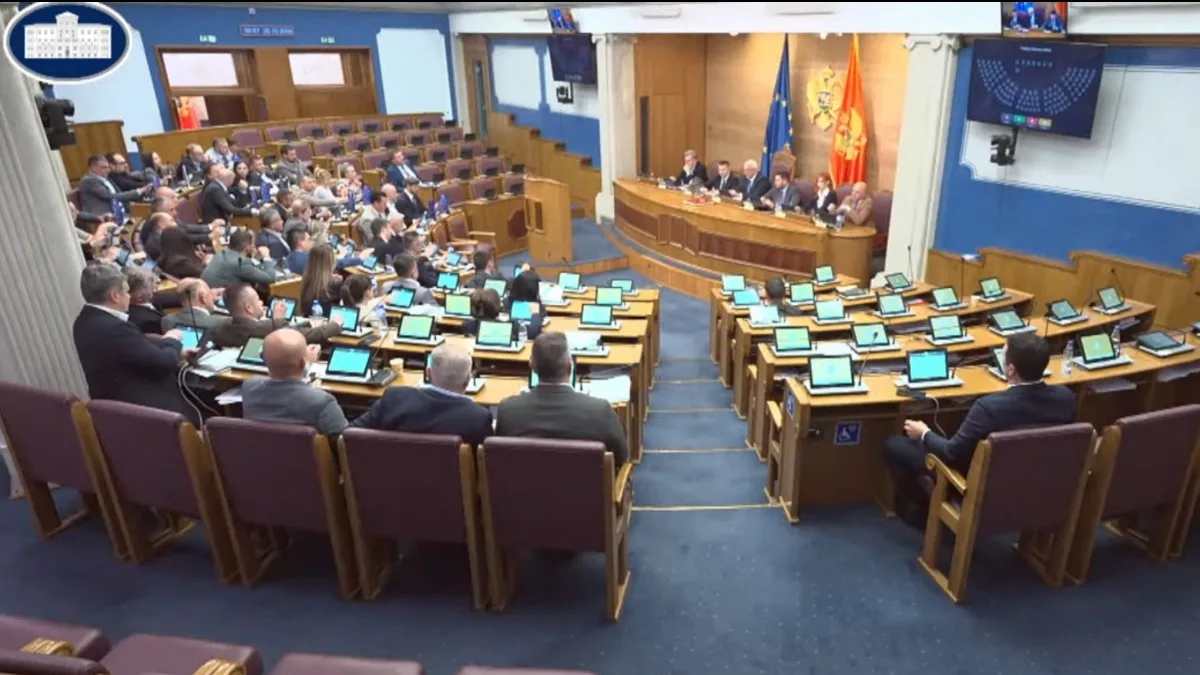
The mayor’s answer was short and procedurally airtight. Niksic, Kovacevic said, never recognised so-called Kosovo in the first place, and therefore has nothing to derecognise. The proposal was taken off the agenda before it reached a vote, without debate on the substance and without an open clash between two partners from the same political bloc.
A formal argument carrying a political message
The claim about a non-existent decision is technically correct. The 2008 recognition of Kosovo’s independence was an act of the Montenegrin state, taken in Podgorica, not the sum of decisions by municipal assemblies. Local declarations adopted since then, including those in Zeta and Pljevlja, have no legal effect on foreign policy and remain symbolic.
That is precisely why Kovacevic’s reasoning is more interesting than the outcome itself. The mayor did not dispute the content of the initiative, did not engage in a debate about Kosovo, and did not distance himself from the position his party has held for years. Instead he used a procedural exit that let him reject the proposal without a single sentence that could later be quoted as a political U-turn. In the corridors of the Niksic assembly this reads as an attempt to sidestep a topic that would cost the municipality more than it could deliver.
DNP, for its part, maintained that Kosovo and Metohija are an inalienable part of Serbia and the spiritual cradle of the Serbian people. The party has neither withdrawn the proposal nor announced a new procedure, which leaves the dispute confined to press statements for now.
Why does Brussels react to one municipality’s decision?
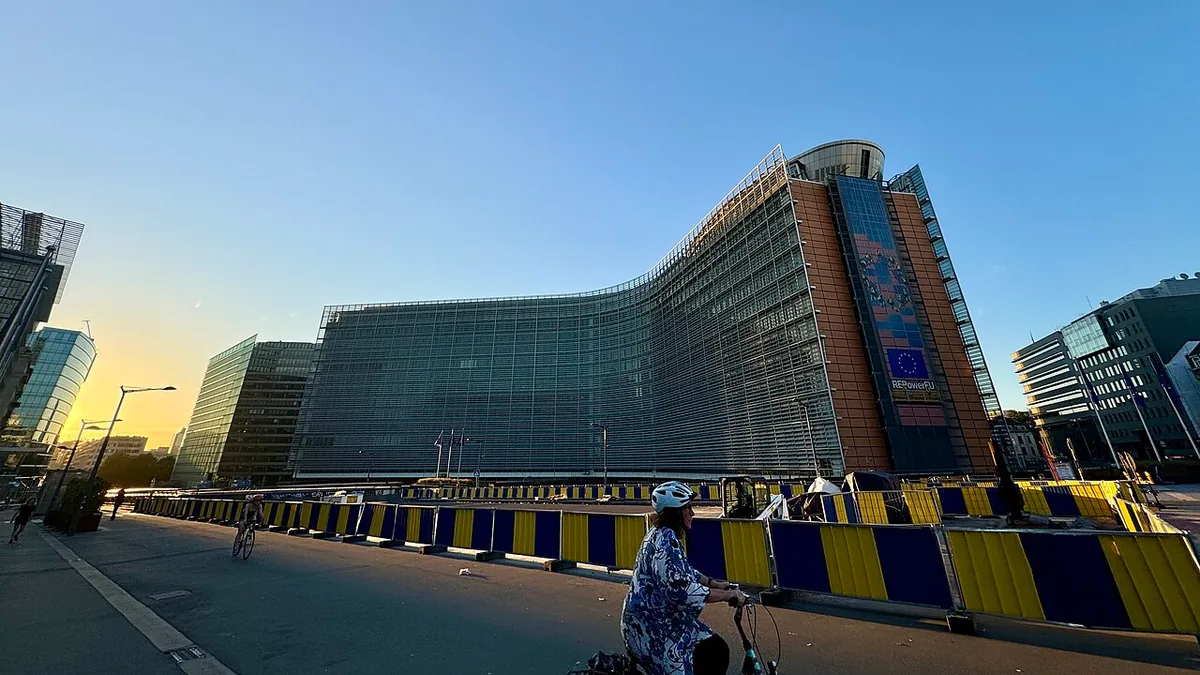
According to unofficial information, European Union officials have warned their Montenegrin counterparts that there should be no further derecognitions of Kosovo. Brussels indicated that such moves could seriously jeopardise the European path of Montenegro, the country that leads the region’s accession process as its most advanced candidate.
Formally, a declaration by a single municipality changes nothing in the negotiating chapters. Politically, however, the European Commission logs every such decision as an indicator of where a candidate country’s foreign policy alignment is heading. Once local declarations start piling up, they stop being isolated incidents and become a pattern, and a pattern ends up in the annual report. Podgorica evidently recognised that before Niksic got around to voting.
Hence the impression that the decision taken in Niksic was not taken in Niksic alone. New Serbian Democracy is part of the governing majority, and its local officials would hardly shut down on their own an initiative that matches the party’s stated positions. When that happens anyway, and without debate, it is more reasonable to assume the assessment was made at a higher level than to treat it as one mayor’s personal view.
The question of derecognising Kosovo in Montenegro is therefore not closed, merely returned to where it formally belongs, the state level. What remains to be seen is whether DNP will revive the initiative in other municipalities and how the governing coalition will position itself when the next proposal reaches an agenda.
Should local declarations on Kosovo be a matter for municipal assemblies at all, or are they strictly a question of state policy?