ODIHR Seeks 332 Observers for Serbia's Elections
A report released on July 31 calls for a core team of experts, 32 long-term and 300 short-term observers, and finds that key recommendations from earlier election cycles are still sitting untouched.

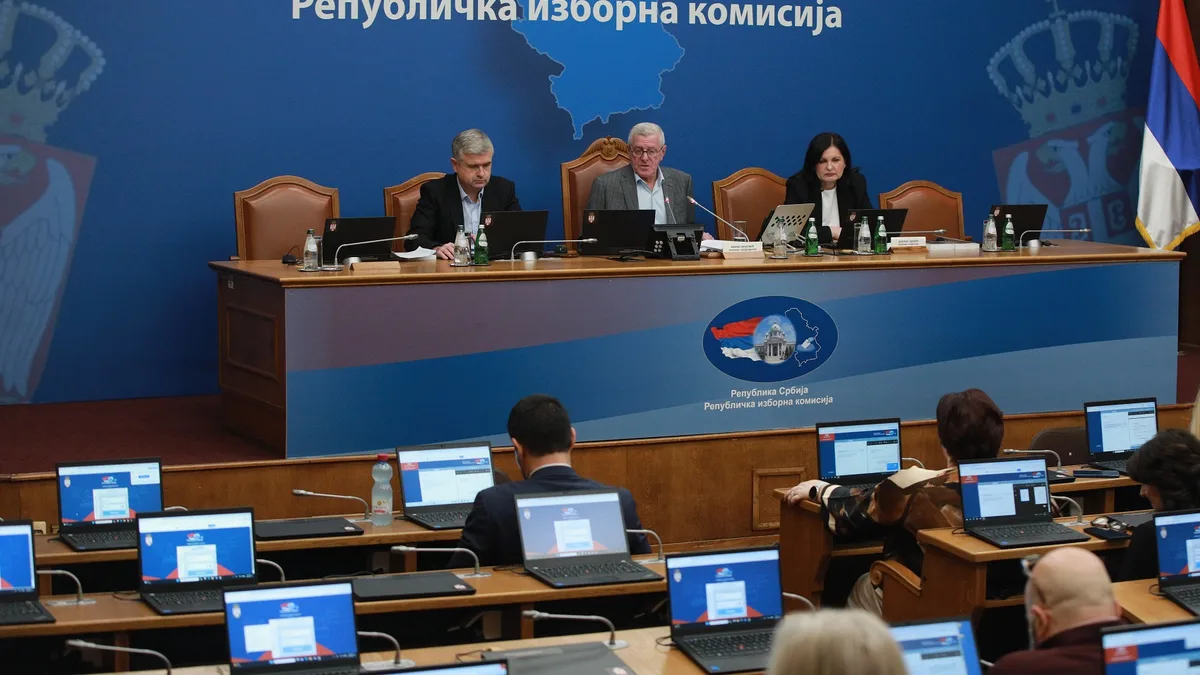
The Office for Democratic Institutions and Human Rights (ODIHR), the election arm of the OSCE, has asked for a full observation mission to be sent to Serbia for the upcoming vote. The request comes in the report of its needs assessment mission, published on July 31, 2026, and covers a core team of experts, 32 long-term observers deployed across the country and 300 short-term observers for election day.
The assessment team was in Belgrade from July 6 to 10. Its job is not to grade an election but to decide what the cycle requires: a full deployment, a narrower expert format, or limited monitoring. It landed on the widest option available. The report describes the setting as a “highly polarized political and social environment”.
What would the observers actually watch?
The mission would not confine itself to election day. According to the report, the team would follow:
- the application of the new legal framework
- the work of the election administration
- candidate registration
- campaigning in traditional and online media
- disinformation and possible foreign interference
Long-term observers arrive in regional centres weeks before the vote, and their reading of the campaign usually carries more weight than the tally sheets from polling stations. That makes the figure of 32 more consequential than it looks, because it sets how closely the pre-election period gets covered.
The recommendations still left undone
The report lists four clusters of earlier recommendations that were never implemented:
- preventing the misuse of state resources
- protecting voters from pressure and intimidation
- transparent oversight of campaign financing
- balanced media coverage
The mission also records allegations of vote buying, of possible misuse of state resources and of voter intimidation, along with pronounced bias on television channels holding national frequencies. Some of those the team spoke to described the electoral reform steps taken so far as “fragmentary, selective and insufficiently inclusive”.
A voter register and a commission running late
The unified voter register held 6,439,075 registered voters when the report was written. During 2025 Serbia introduced measures meant to make voter registration more transparent and set up an independent Commission for the Review of the Voter Register. Interlocutors questioned whether the review can deliver anything at all before the election is called, which would leave the whole exercise arriving after the ballots are counted.
One change that reads as liberalisation carries a similar catch. The old rule limiting a voter to a signature for a single electoral list has been scrapped. People the mission spoke to warn that the replacement opens the door to so-called phantom lists, groups running without a real base of support while taking up room in the campaign, in the administration’s workload and on the ballot paper itself.
The backdrop
The report ties the current tension to the mass student protests that have run since November 2024 and, it says, deepened the divide in society. The same stretch of time produced a series of amendments to the electoral framework, so the coming cycle will be the first to run on rules that have not yet been tested in practice.
We have written before about how the Constitutional Court is preparing for the same cycle, with the complaint against Petrov still waiting its turn. An international layer now sits on top of that. The decision to deploy observers formally rests with OSCE participating states, though a needs assessment recommendation is rarely overturned.
No election date has been set. That date will determine whether the long-term observers arrive in time to see the thing ODIHR asked them for, which is the campaign rather than the count.