Pristina Court Orders Detention in Third Serb Arrest
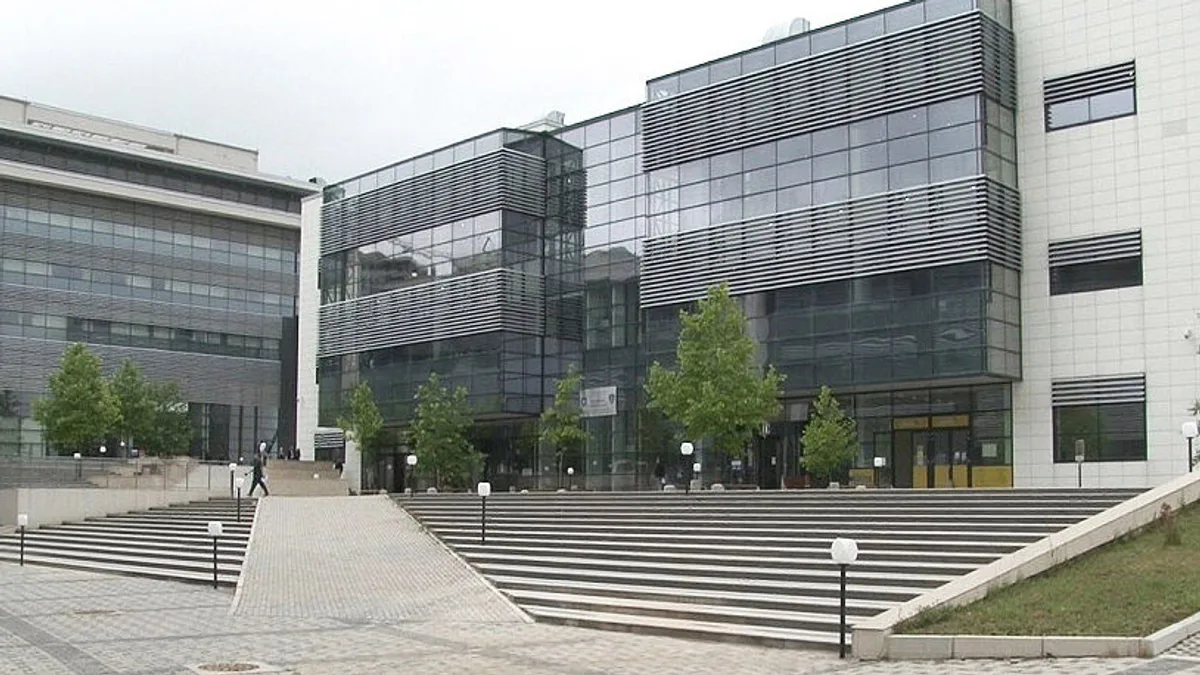
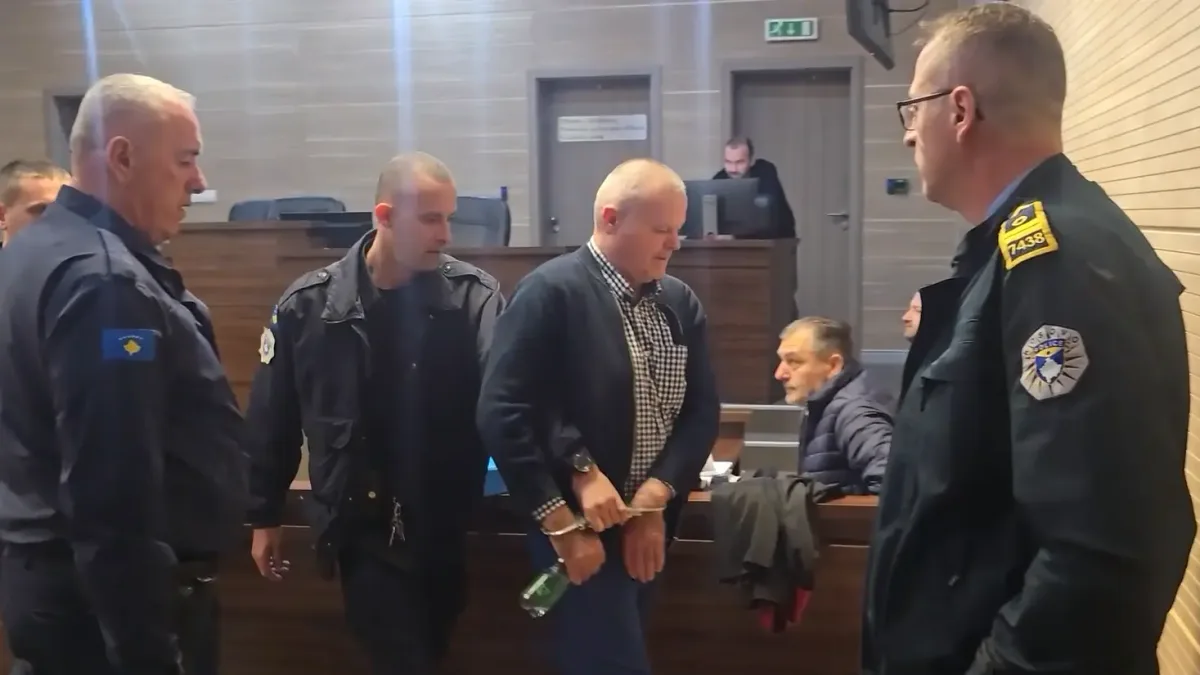
The Basic Court in Pristina ordered a month of detention for J.R. from the village of Dren, arrested in Zubin Potok. It is the third arrest of a Serb in Kosovo over alleged war crimes in seven days.

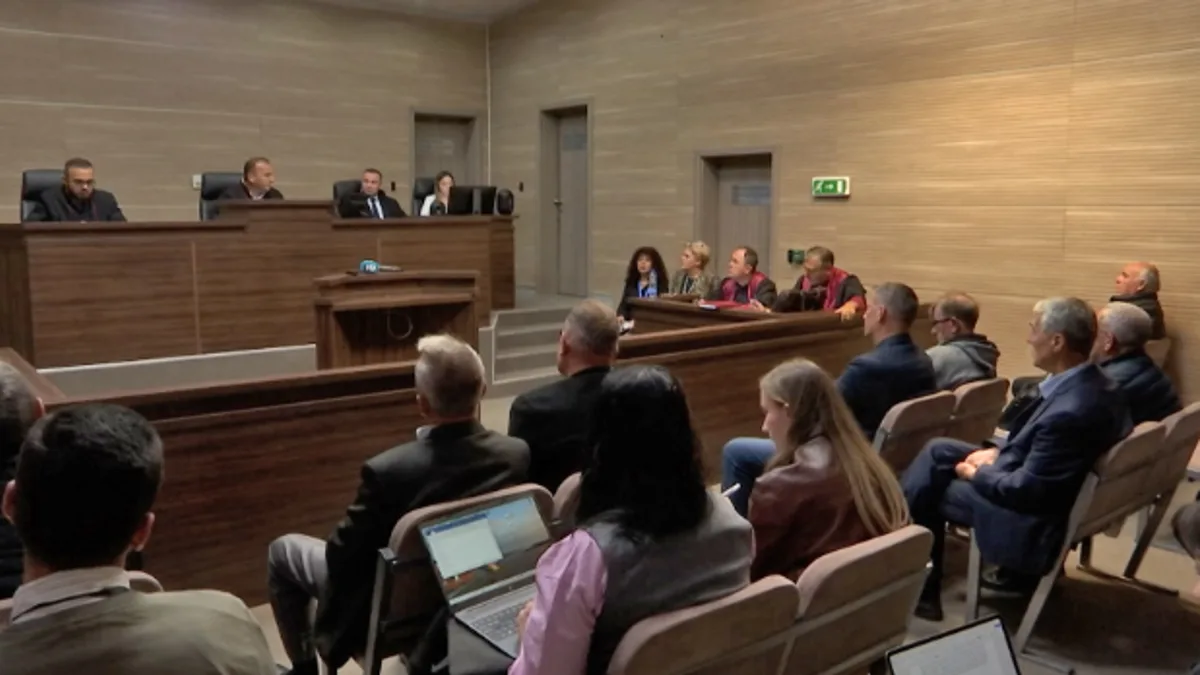
The Basic Court in Pristina has ordered a month of detention for a suspect identified by the initials J.R., a Serb from the village of Dren near Zubin Potok, who is charged with a war crime against the civilian population committed in 1999. The ruling came down today, two days after the arrest, and was confirmed by the court itself.
J.R. was arrested on Saturday, August 1, in Zubin Potok. The arrest was carried out by members of the War Crimes Investigation Directorate of the Kosovo Police, acting on orders from the Kosovo Special Prosecution. It brings to three the number of Serbs Pristina has arrested over alleged war crimes in just seven days.
What the Prosecution Said in Its Statement
Kosovo’s Special Prosecution presented the arrest as the result of a lengthy investigation and announced that the process is not over.
The arrest of the suspect is the result of intensive investigative work carried out by police investigators and the Special Prosecution, as part of a continuous institutional commitment to investigating and clarifying war crimes. In connection with the case, the police and the prosecution will continue to undertake all necessary investigative actions.
The statement did not specify which particular event from 1999 the charge concerns, nor how many people are covered by the same case file. Until a final verdict, the suspect is charged with the offense he is accused of, and guilt has not been established.
Three Arrests in Seven Days
The timeline is dense. On Tuesday, July 28, two men, M.J. and M.B., both from Zubin Potok, were detained in the municipality. They were first placed under 48 hour custody, and are suspected of taking part in the killing of 23 civilians in April 1999 in the Zubin Potok area. We have already reported on those arrests, as well as on the detentions that followed at the Jarinje crossing.
A week later, the same directorate and the same prosecution arrested a third man, this time from the village of Dren. All three cases are tied to the same small area, a Serb majority municipality in the north, and to the same time frame, the first half of 1999.
Why Does Belgrade See a Pattern, Not Isolated Cases?
Because the arrests are coming in quick succession and on the same ground. Danijela Nikolic, chair of the parliamentary Committee on Kosovo and Metohija, said today on RTS that this is not a matter of isolated incidents but a policy she described as creeping ethnic cleansing.
A policy of conditioning, pressure and terror, as President (Vucic) put it, gruesome terror across Kosovo and Metohija, with a single goal: that neither law nor justice exist there for the Serbian people.
Nikolic added that Serbs are being stripped of basic rights this way, and that room for a normal life keeps shrinking. She called for a response from the European Union, EULEX and KFOR, and said that the international community’s reactions have largely stayed at the level of verbal condemnation.
Her argument has a concrete part as well, one rarely heard in statements like this. Nikolic claims the European Union has financial conditionality mechanisms it could use against Pristina but does not activate them, and that KFOR has a mandate to ensure security conditions but looks the other way in practice. That is a claim that can be checked, unlike general assessments about pressure, since both the EU’s measures toward Pristina and the mission’s conduct are matters of record.
What Is Known About What Comes Next
The one month term means a fresh ruling on the suspect’s status is due in early September. The prosecution has announced further investigative steps, and so far it has not been disclosed whether an indictment has been filed in any of the three cases.
For now, what is known is how many people have been arrested, when and where. What is not known, and what determines how serious the whole matter is, is whether a single investigation or three separate ones lie behind these arrests, and how many more names are on the Special Prosecution’s list.