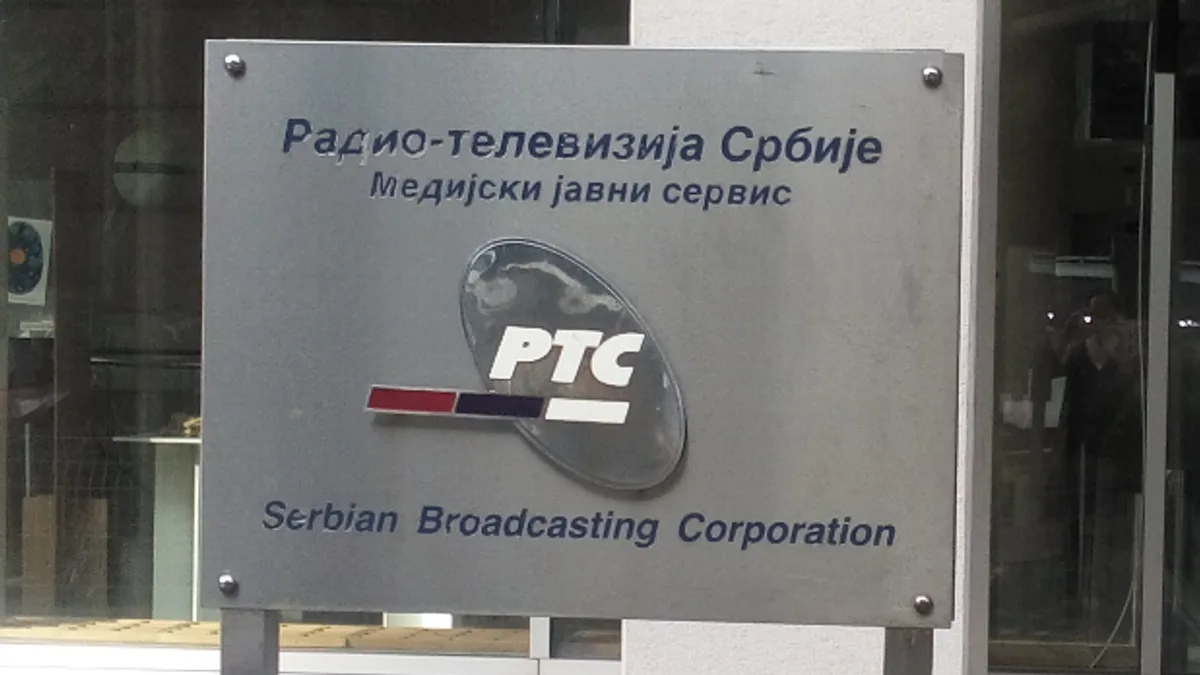
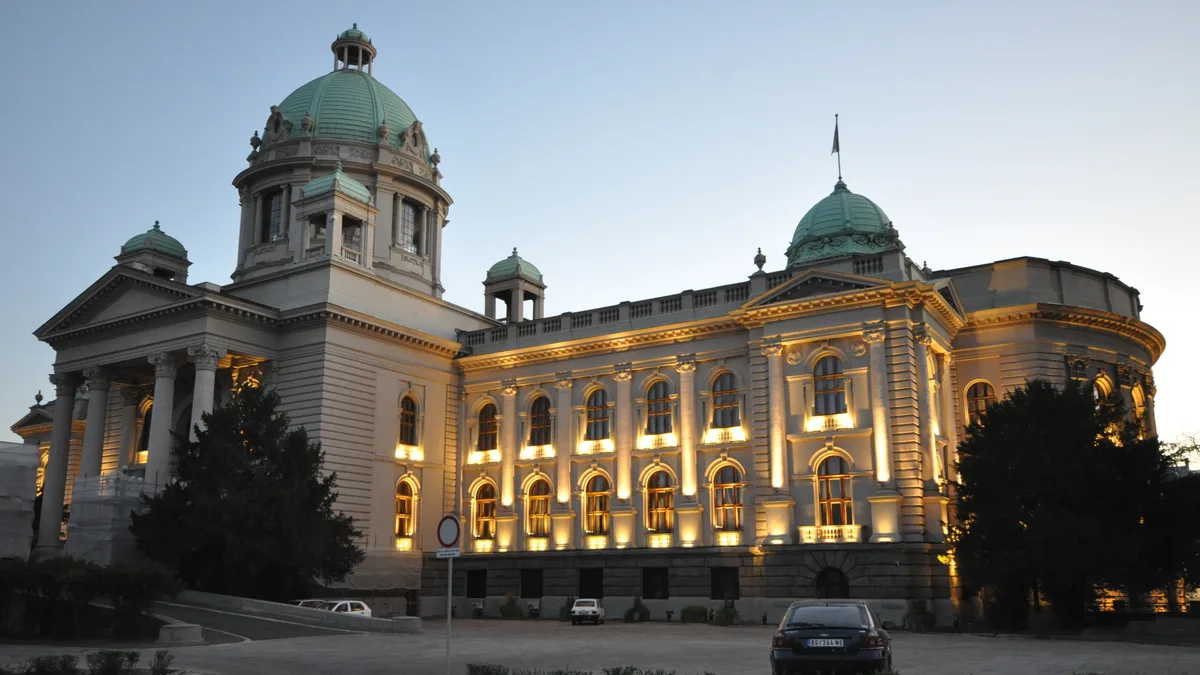
National Assembly Still Hasn't Called RTS Council Election
RTS's Program Council mandate expired a month and a half ago, and the National Assembly committee still has not called elections, seven months past the legal deadline. RTV got its council a year late.

The Program Council of Radio Television of Serbia (RTS) and the equivalent body at Radio Television of Vojvodina (RTV) are both left without members. Their mandates expired, and elections for new councils were not called within the deadlines set by the Law on Public Media Services, the Serbian Journalists’ Association (UNS) said on August 5.
Members of the RTS Program Council were elected on June 21, 2022, for a four year term, so their mandate ended just under a month and a half ago. The RTV council’s mandate ran out earlier, on December 14, 2025. New members are elected by the relevant assembly committees: the National Assembly’s Committee on Culture and Information for RTS, and the corresponding committee of the Assembly of the Autonomous Province of Vojvodina for RTV.
Deadlines Passed Without a Call for Elections
The law requires the competent committee to call a public election six months before a council’s mandate expires. For RTS that meant no later than December 21, 2025; for RTV, no later than June 14, 2025.
The provincial election was announced on June 24, 2026, more than a year after the legal deadline and half a year after the previous council had already ceased to exist. The National Assembly’s Committee on Culture and Information still had not called an election for the RTS Program Council as of August 5. UNS sent the committee questions asking why the deadline was missed and when the election would be called, but two days later had received no answer.
Why Do the Public Broadcasters Have No Viewer Ombudsman?
Amendments to the law passed in 2025 obliged RTS and RTV to appoint an ombudsman to protect the rights of listeners, viewers and readers. The ombudsman is chosen by the program council through a public election. Without a council, there is no election, so the position remains vacant.
The law spells out the ombudsman’s job in concrete terms: protecting the public’s interests and citizens’ rights regarding the programming role of the public media service, monitoring compliance with professional and ethical standards and legal obligations, and working to improve programming standards. As long as the program councils do not exist, a viewer with a complaint about programming has no one inside the broadcaster to formally address it to.
Governing Boards Stuck in the Same Gridlock
The gridlock did not begin this summer. On July 13, the five year mandate expired for five members of the RTS Governing Board: Branislav Klanscek, Miroslav M. Nikolic, Branko Radun, Milivoj Pavlovic and Ljiljana Djurdjevac. Since board member Scepan Prascevic’s mandate had already ended back in December last year, the board has been operating with three of its nine members since July 14.
The same day, the mandate ended for RTV Governing Board members Marko Calic, Aleksandar Komnenovic, Borislav Pupovac, Aleksandar Cupic and Valentin Mika, leaving that board with four of its nine members as well.
Elections for governing board members are called by the Council of the Regulatory Authority for Electronic Media (REM), which has not yet been constituted. At RTS’s request, the Ministry of Information and Telecommunications issued an opinion on July 13, signed by Minister Boris Bratina:
it is legally sound for members of the public broadcasters’ governing boards to continue working until new members are appointed and take office
The ministry’s opinion is not law and does not change the deadlines, it fills the gap created because the body that elects governing boards does not exist. Whether the RTS and RTV governing boards accepted that interpretation and continued working is something the public still had not learned three weeks later.
What Comes Next
Both holdups lead to the same place. The program council is elected by a National Assembly committee, the governing board is elected by the REM Council, which the Assembly has not constituted, so the waiting passes from one body to the next while responsibility stays with the same chamber. Once a committee does call an election, weeks will still pass between the announcement and the new council’s first meeting, and the choice of an ombudsman comes only after that.
RTV shows how long such a chain can run. More than a year passed between the legal deadline and the announcement of the election, and even then the new program council had not started working.