Lucic Forms International Legal Team After Kosovo Entry Ban
The Telekom Srbija CEO says he will take his case to international institutions after Pristina permanently barred him from Kosovo, while the company presses ahead with its investments there.

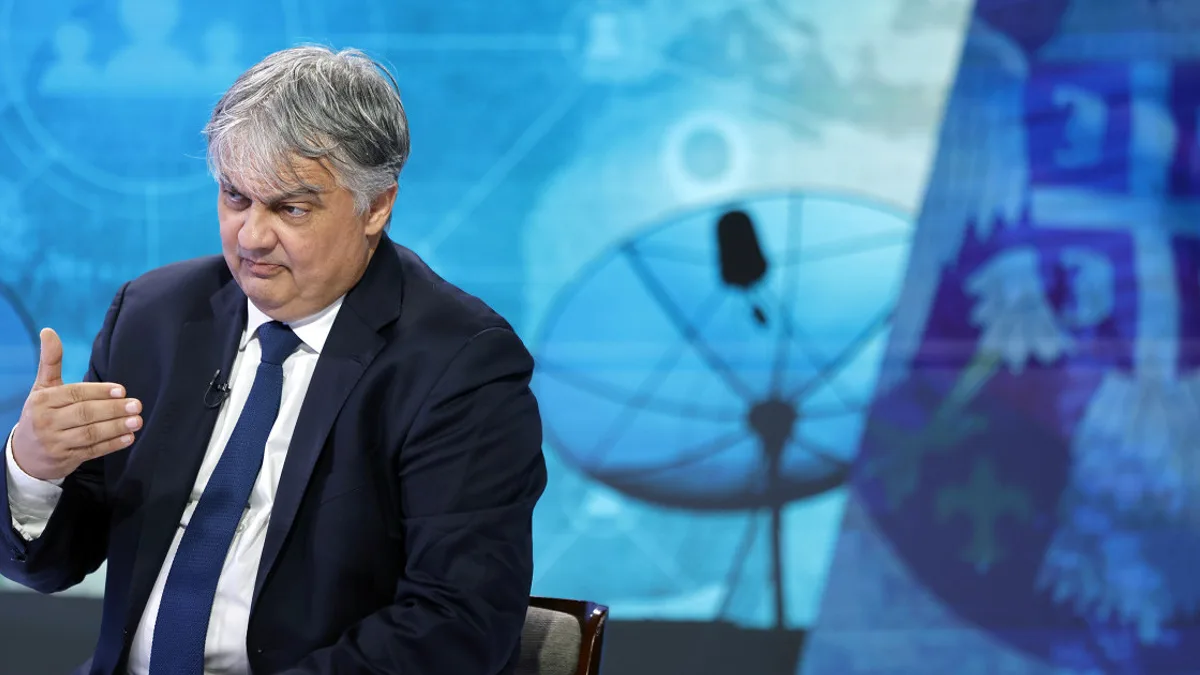
Telekom Srbija CEO Vladimir Lucic said today that he will form an international legal team and take his case to international institutions, after a decision by Pristina’s provisional institutions permanently barred him from entering Kosovo and Metohija. He also said the company is not backing away from its planned investments in Kosovo and Metohija, chiefly in fixed and mobile telephony.
The decision came from the Interior Ministry of Pristina’s provisional institutions and was published on August 7, 2026. It declared Lucic a persona non grata, and the measure covers entry, transit and residence on the territory of Kosovo and Metohija, explicitly described as permanent.
What Pristina’s Decision Says
The legal basis cited is Pristina’s Law on Foreigners, with a provision that the decision takes effect on the day it is signed, meaning there is no grace period and no follow up procedure that could delay the measure.
The explanation states that Lucic made statements aimed, in Pristina’s view, directly at undermining sovereignty, territorial integrity and the constitutional order. The same text specifically names the telecommunications sector, including telecommunications infrastructure.
That mention of infrastructure is the key detail. The decision reads less like a dispute over one statement and more like a dispute over the presence of a Serbian operator’s network on the ground, and it is precisely that network which is now being built.
The Ban Came a Day After the Partes Announcement
The timeline is tight. The day before the decision was published, Lucic announced that Telekom Srbija would build two new facilities by the end of the year in the municipality of Partes, one of the Serb majority municipalities in the Kosovo Pomoravlje region, with at least six more such facilities planned at other locations across Kosovo and Metohija.
We reported on the ban itself in Pristina Permanently Bans Telekom Srbija CEO From Kosovo. At that point only Pristina’s decision was known. What is new today is the other side’s response, and it arrived not as a political statement but as a legal move.
What Does Internationalizing the Case Mean?
Lucic said he intends to internationalize the case and gather an international legal team around him. Speaking to Tanjug, he was brief.
“I will fight with every legal means available,” Lucic said.
He called Pristina’s decision absurd and regrettable, and said it targets him personally rather than the company. He did not specify before which bodies the proceedings would be pursued, nor what the deadlines for a first step would be.
The difference between those two paths is not a technicality. If the dispute is treated as a matter concerning one man and one ruling on a foreign national, it stays within the frame of Pristina’s Law on Foreigners. If it is treated as a matter of an operator’s access to the market and to infrastructure, it takes on a different venue and a different set of arguments.
The Investments Are Not Stopping
The part of the message that is easy to overlook is the business one. Lucic said Telekom is continuing its investments in Kosovo and Metohija, chiefly in fixed and mobile telephony, meaning the entry ban does not change the construction plan.
In practice, that means the facilities in Partes are expected to go up while the head of the company financing them cannot cross the administrative line to see the construction site. Projects of this scale are normally run through local teams and contractors anyway, but as of today, oversight of the pace of work and negotiations with municipalities proceed without the CEO on the ground.
That is why the deadline Lucic set himself becomes the most concrete test of the whole story. Two facilities in Partes by the end of the year is a date that will not be interpreted, only measured: either they will be built by December 31, or they will not, and the answer to how much the entry ban actually slowed the investments will come with that deadline, not with a press statement.