Kosovo Police Join Security Detail at Visoki Decani
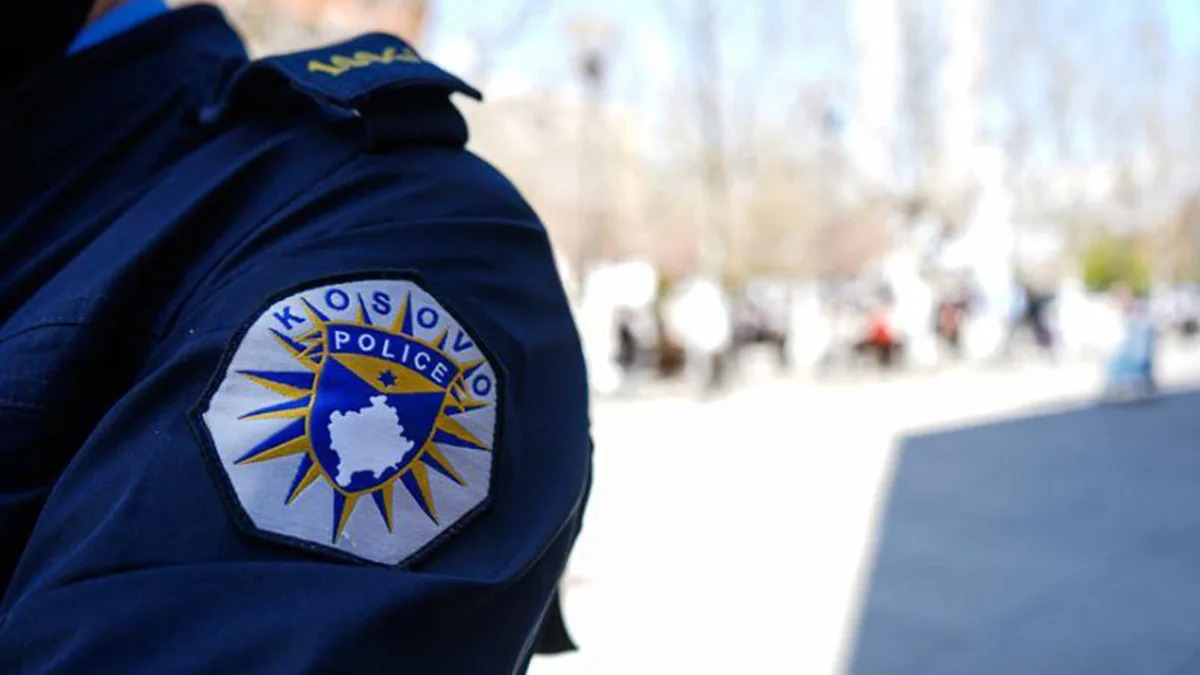
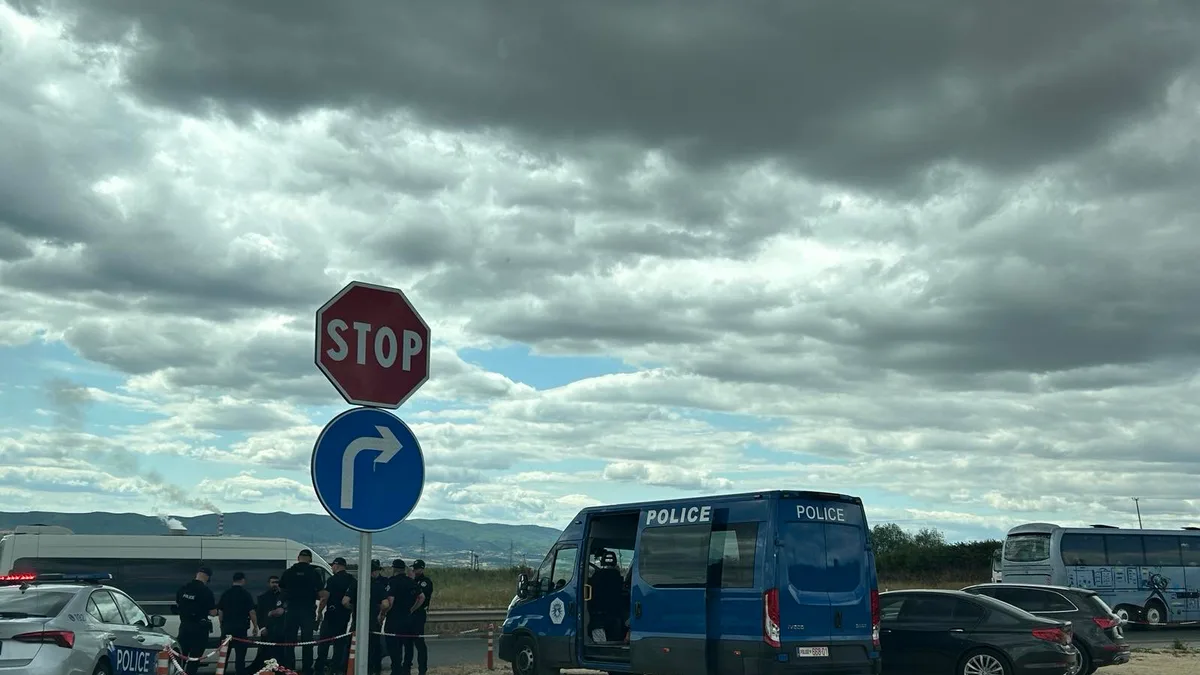
After 27 years of exclusive military protection, KFOR has begun bringing Kosovo Police into the security detail around Visoki Decani. The Diocese of Raska and Prizren says it is too soon.

KFOR, the NATO-led mission in Kosovo, announced on Monday that it has begun gradually bringing members of the Kosovo Police into the security structure around Visoki Decani monastery. The move changes a protection regime that had run unbroken since 1999, and the monastery is no longer the only Orthodox shrine in Kosovo guarded directly and exclusively by international troops.
The mission described the step as part of optimizing its deployment, driven by its assessment of security conditions on the ground. Its statement said the process is being coordinated with representatives of the Serbian Orthodox Church, institutions in Kosovo, the Kosovo Police, and the European Union Rule of Law Mission, EULEX, and that KFOR remains the first responder to any security challenge at the monastery.
“Our personnel are ready to respond to any relevant development, in line with KFOR’s longstanding mandate.”
That line is central to reading what the move actually means. Nowhere does the mission say it is handing primary responsibility to the Kosovo Police. It says it is bringing the Kosovo Police into a system KFOR still runs.
A monastery guarded only by the army for 27 years
The military presence at Decani was not born out of protocol. It was born out of attacks. The fourteenth century royal lavra was the target of four armed assaults: mortar attacks in 2000 and 2004, a rocket propelled grenade attack in 2007, and one attempted terrorist attack. After the first incidents, KFOR tightened protection, and for a time the monks traveled only under military escort.
The monastery’s status is also defined internationally. UNESCO placed it on the World Heritage List in 2004, and since 2006 Decani has sat on the List of World Heritage in Danger. The heritage protection federation Europa Nostra named it one of Europe’s seven most endangered sites in 2021, a ranking then Prime Minister Albin Kurti and President Vjosa Osmani disputed, arguing the monastery had been wrongly labeled endangered.
Why does the Diocese say it is too soon?
The Diocese of Raska and Prizren disputes the premise behind the move, the claim that the security situation has improved, arguing it does not reflect the reality Serbs and the Church actually live with in Kosovo. The Diocese says the Kosovo Police has built neither the trust nor the capacity to protect the monastery in KFOR’s place, and that an assessment based mainly on the absence of major armed incidents remains incomplete.
Bishop Teodosije of Raska and Prizren received U.S. Senator Joni Ernst and the U.S. Embassy’s charge d’affaires in Pristina, Ana Pratapati, at Gracanica monastery that same day. He said that shifting primary security responsibility from KFOR to the Kosovo Police, both at Decani and at the bridge in Mitrovica, would be premature under current conditions.
“That is why it is essential that every further step remain gradual, based on real and verifiable conditions on the ground and on building trust through concrete results,” the Diocese said in its statement.
Teodosije laid out specific grounds for that mistrust to the American delegation: disruptions during religious gatherings at Gazimestan and at the Holy Archangels monastery near Prizren, the demolition of Serb homes in the Gazivode lake area, arrests of Serbs the Diocese says were carried out without clear evidence, and new construction on a disputed road near Decani.
The Ibar bridge shifted the same day
The change at Decani was not an isolated one. On the same day, the tent and static post staffed for years by Italian carabinieri were removed from the northern half of the main bridge over the Ibar in Mitrovica. KFOR confirmed that a gradual transition of its permanent presence on the bridge had begun, but stopped short of confirming that the Kosovo Police is taking over primary responsibility there.
Kosovo’s acting interior minister, Xhelal Svecla, said from the southern side of the bridge that the handover of responsibility had started and linked it to the future reopening of the bridge to car traffic. Serbian President Aleksandar Vucic, asked by reporters about the changes at Decani, said: “None of this is unexpected to me.”
The reservation KFOR built into its plan comes with a date attached. Mission commander Ozkan Ulutas said in Belgrade on July 23, after meeting with Serbian Armed Forces Chief of General Staff Milan Mojsilovic, that troop numbers would be adjusted to security conditions over the coming year and that the process could be reversed if the situation worsens. At that meeting, Mojsilovic, according to the Serbian Armed Forces’ statement, warned that Serbs in Kosovo do not feel safe and called for protection of the Serb population and its religious heritage. What happens next at Decani will depend on whose reading of conditions on the ground turns out to be right.