UK Embassy Backs Search for Missing in Zubin Potok
The British Embassy welcomed the Zubin Potok exhumations, while Belgrade's Petar Petkovic accuses Kurti of politicizing the missing persons issue and demands searches at eight sites.

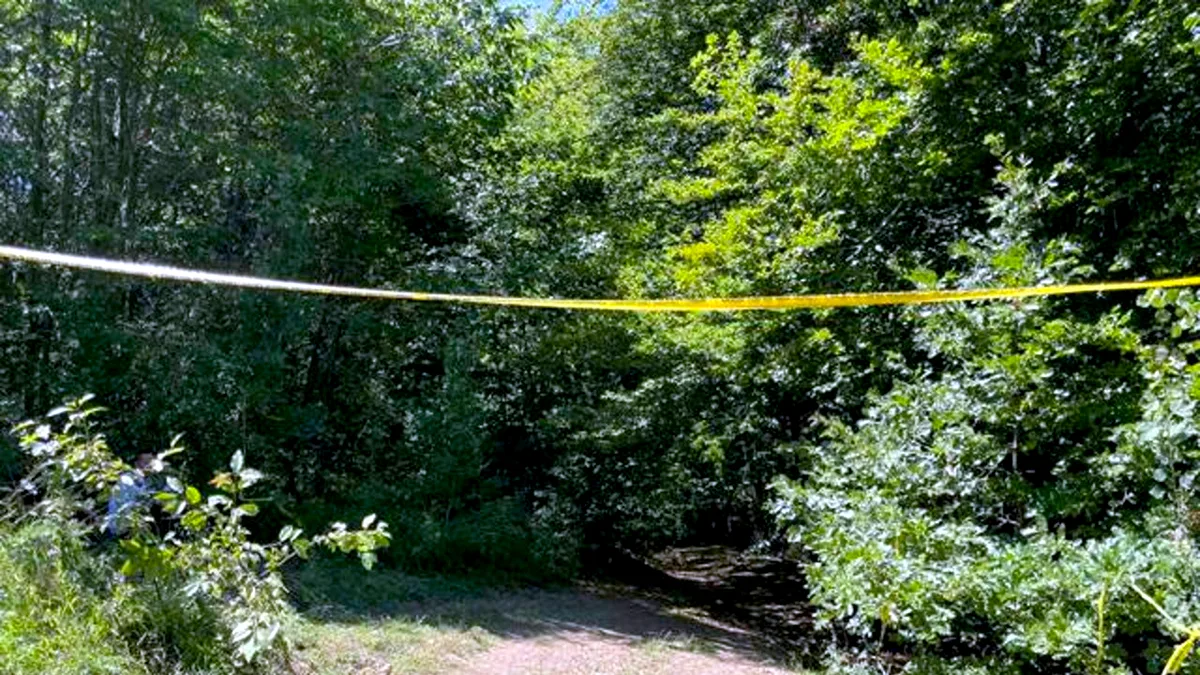
The United Kingdom’s Embassy in Pristina announced on August 24 that it supports the work of Kosovo authorities in locating and identifying human remains uncovered during excavations in the Zubin Potok municipality. The statement came a day after the Government Commission for Missing Persons in Pristina presented a summary report on nearly a month of fieldwork at three sites, and the Office for Kosovo and Metohija responded the same day by accusing Kosovo’s technical mandate Prime Minister Albin Kurti of using the missing persons issue for political purposes.
The excavations at Mala Kaludra and Jabuka ran from July 28 to August 20, nearly four weeks. According to the Kosovo commission’s preliminary assessment, the remains of at least 23 people were found at two sites in Mala Kaludra and one in Jabuka: at least 13 at the first Mala Kaludra site, at least four in Jabuka, and at least six at the second Mala Kaludra site. The Institute for Forensic Medicine is now carrying out identification, a process that, according to announcements from Pristina, could take several months.
The British Embassy’s statement did not link the recovered remains to any specific group of missing persons, nor did it engage with the political messaging that accompanied the report’s presentation.
“The United Kingdom stands with the families of those still listed as missing from the 1998-1999 conflict and supports efforts to get answers after many years of uncertainty. We welcome the work of Kosovo authorities in locating human remains in the Zubin Potok municipality and in carrying out forensic examinations and DNA analysis to identify the remains,” the embassy said.
Kurti used the occasion to call on the international community to increase pressure on Serbia to implement the Brussels Declaration on Missing Persons, signed on May 2, 2023, and to open state archives that he claims could help clarify the fate of the missing. Srpske Vesti previously reported on the announcement that the remains found in Zubin Potok would undergo DNA analysis, before their exact number was even known.
Petar Petkovic, director of the Office for Kosovo and Metohija, issued a statement the same day, August 24, responding to Kurti’s claims that Serbia refuses to cooperate in the search for the missing.
“Kurti continues his inhumane campaign to politicize the issue of missing persons, even though it is Pristina that has for years refused to act on Belgrade’s requests to search eight sites in Kosovo and Metohija where, according to solid intelligence, the remains of brutally murdered Serbs are hidden. I will remind you that 562 Serbs and non-Albanians are still listed as missing, and their families have waited 27 years for the rights, justice and dignity owed to their loved ones,” Petkovic said.
The director of the Office for Kosovo and Metohija added that Belgrade would not give up the search.
“Belgrade will never give up the search for the missing, no matter how hard Albin Kurti and his regime try to hide the truth,” Petkovic said.
The Office for Kosovo and Metohija’s statement repeated a demand Belgrade has been raising for some time: a search of eight sites in Kosovo and Metohija where the Serbian side says it holds solid intelligence on the presence of the remains of missing Serbs and non-Albanians. While Pristina is seeking access to the archives of the Yugoslav Army’s 37th Motorized Brigade, Belgrade is seeking access to sites on Kosovo territory, so both requests remain unmet for now. Identification of the remains from Zubin Potok, which could provide the first concrete answers, is still pending.