

Zubin Potok: three more missing Albanians identified
Kosovo Prime Minister Albin Kurti announced that new DNA analyses confirmed the identities of three men from the Group of Intellectuals, exhumed in Mala Kaludra and Jabuka.
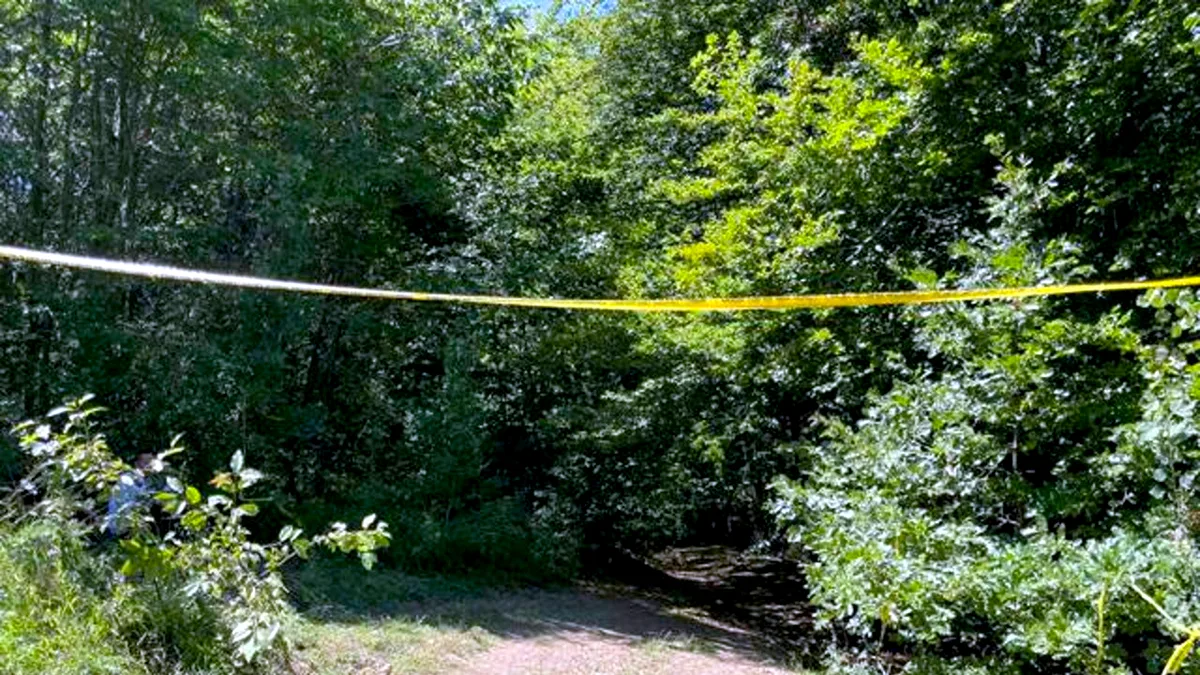
Kosovo Prime Minister Albin Kurti announced on Facebook on November 3, 2026 that new DNA analyses have confirmed the identities of three more ethnic Albanians who went missing during the 1999 war. They are Adem (Fazli) Ademi, Fatmir (Bajram) Fazliu and Ali (Islam) Haliti, members of the so-called Group of Intellectuals. Their remains were exhumed in the villages of Mala Kaludra and Jabuka in Zubin Potok municipality.
This is the second round of identifications from the same grave site. The first came in September, the same month Kosovo Police arrested nine Serbs from Zubin Potok on suspicion of war crimes.
What did Kurti announce about the identifications?
According to Kurti, the government commission on missing persons informed him that new DNA reports had arrived. The prime minister described it this way:
“After the first identifications of the remains exhumed in Kaludra and Jabuka, the Government Commission on Missing Persons informed me that new DNA reports have been received, on the basis of which Adem (Fazli) Ademi, Fatmir (Bajram) Fazliu and Ali (Islam) Haliti, members of the Group of Intellectuals, have been identified,” Kurti said.
The Kosovo outlet Reporteri says the new reports came from The Hague, a detail the other outlets relaying the announcement do not mention. According to Kurti, the responsible institutions have already notified the families of those identified, with the commission doing so together with other institutions.
“The commission, together with other competent institutions, has already notified the families of the three intellectuals and well-known activists for the national cause, who were abducted by Serbian armed forces in April 1999 and forcibly disappeared. We share the pain with the families and offer our most sincere condolences,” Kurti said.
The claim that Serbian armed forces abducted the three men in April 1999 comes from the prime minister himself. The reports we rely on did not verify it independently, so we present it here as his statement.
What was the message to Belgrade?
Kurti also used the post to send a political message. Clarifying the fate of the missing, he said, remains a priority of the Kosovo government, together with a demand for justice:
“Clarifying the fate of forcibly disappeared persons is a priority of the Government of the Republic of Kosovo, together with the demand and the commitment to justice for the crimes Serbia committed during the war, which it continues to deny and conceal, while declaring documents and archives confidential and closing them, and glorifying the perpetrators of genocide,” Kurti said.
Official Belgrade’s reaction to the post was not among the sources this article draws on.
How has the investigation unfolded so far?
Excavations at three locations in Mala Kaludra and Jabuka were carried out in August 2026, and the remains of at least 23 people were found, Radio Kim reports. In September, DNA analyses had already confirmed the identities of Idriz Recaj, Salim Meziu and Adem Beciri, members of the Group of Intellectuals who disappeared on April 19, 1999. With the three newly named men, six identities are now known.
On September 27, in an operation called “Dossier 23,” Kosovo Police arrested nine Serbs from Zubin Potok municipality suspected of war crimes committed in 1999. The defense’s appeals against the detention order were rejected. These are suspects, and guilt has not been established by a final verdict.
The sources do not say whether the new identifications will affect the proceedings against those arrested. Of the at least 23 people whose remains were found, available information shows that identities have so far been established for six.


