Vucic's Letters to Pensioners: Deadline Is September 6
An internal memo shows Serbia's postal service must deliver 1,900,000 copies of President Vucic's letter to pensioners by September 6, with overtime work and personal data collection.

Jelena Milosevic, a lawmaker with the Party of Freedom and Justice (SSP), published an internal memo on September 2 that was sent to every post office in Serbia, spelling out exactly how President Vucic’s letter to pensioners must be delivered. Until now, all that was known was that the letters were reaching the addresses of the country’s oldest citizens. The memo reveals the scale of the operation for the first time: 1,900,000 copies, a deadline of September 6, and overtime work for postal workers over the weekend.
According to the memo Milosevic released, the letters and envelopes are being printed by Hibridna Posta, a print shop that is part of Serbian Post and normally produces forms and materials for the public company. The order calls for all 1.9 million copies to be printed and sent out before September 6, which, she says, has created the need for extraordinary staffing.
“Postal workers will work overtime on Saturday and Sunday. The letters will go out as Post Express (priority) mail,” Milosevic said, adding that the overtime requirement also applies to post offices that normally do not serve customers or dispatch mail on those days. She also said inspections have been announced to check whether postal workers are delivering the letters, in her words, “properly,” which she says includes surveying the pensioners themselves.
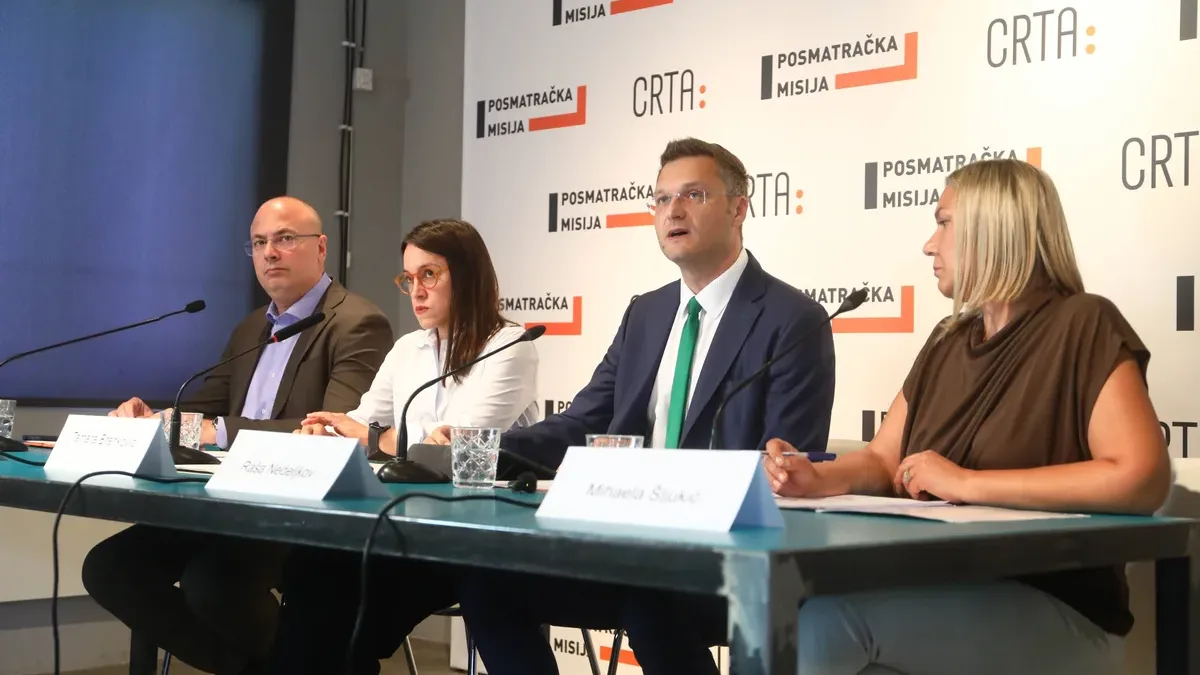
Specifically, postal workers have been tasked with collecting recipients’ full names along with their phone numbers, plus a signed consent form for further notifications. The Centre for Research, Transparency and Accountability (CRTA) confirmed the same detail about collecting pensioners’ contact information, adding that the party that commissioned the job is the Republic Health Insurance Fund (RFZO).
CRTA was blunt in its assessment of the letter’s content:
“An unambiguous example of political (pre-election) agitation.”
How many letters are landing by municipality
The scale of the campaign is visible at the local level too. In Zrenjanin, Secanj, Novi Becej, Zitiste and Nova Crnja, postal workers handed out around 38,500 letters on September 2 alone. Slobodan Djurin, an SSP councillor in the Zrenjanin city assembly, sent a question to Serbian Post’s general director, Zoran Andjelkovic, asking him to say whether the Serbian Progressive Party paid for distributing the letters and, if so, how much.
“If it did, how much? If it did not, why are a public company’s resources being used to distribute the president’s political message,” Djurin asked, adding that Serbian Post is not a party headquarters, that postal workers are not SNS activists, and that a public company is not a party resource.
What the letter itself says
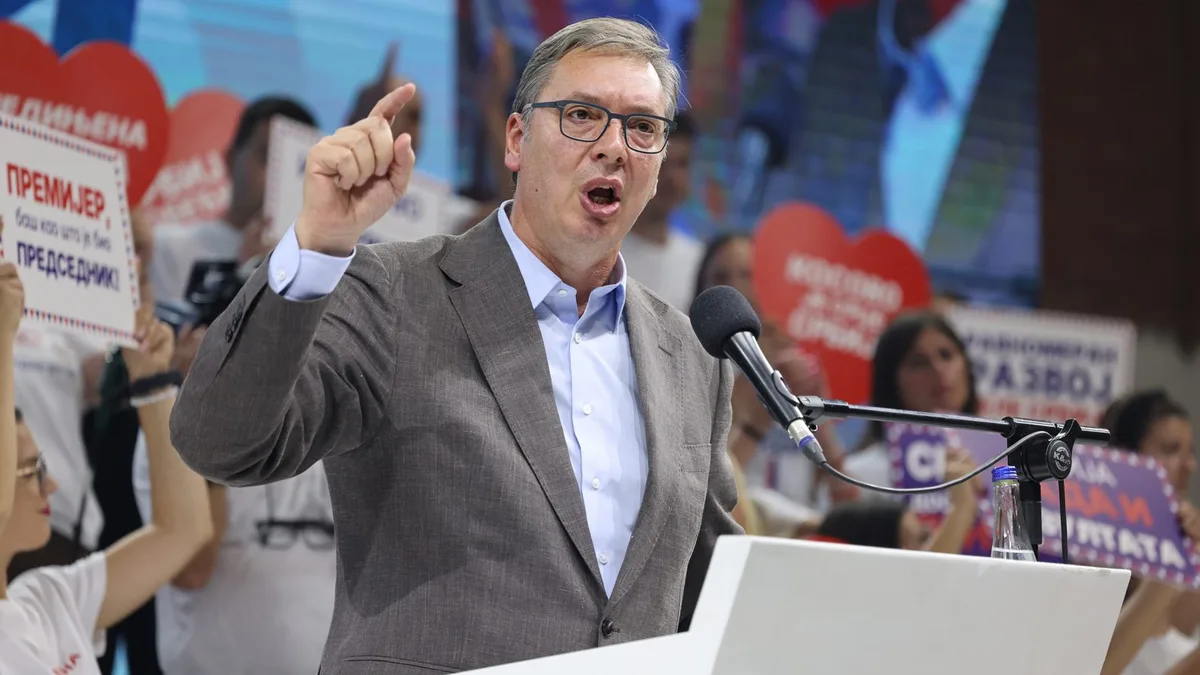
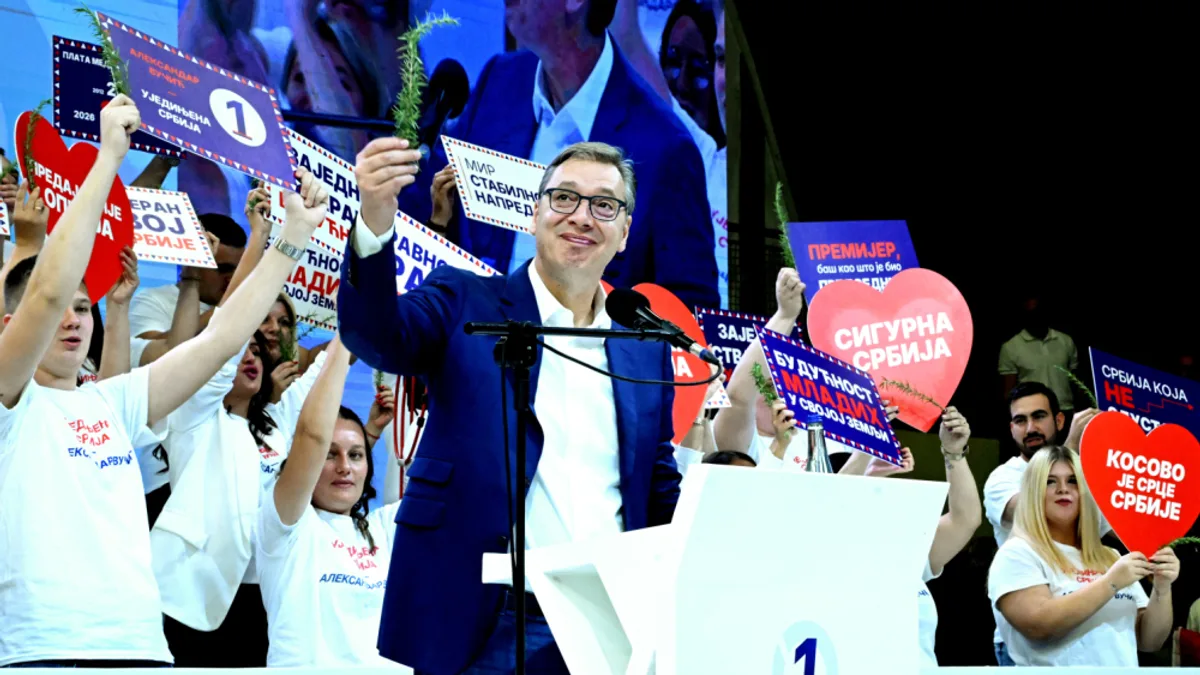
The letter, signed by Vucic, addresses pensioners directly as the “largest voting bloc,” reminding them that elections are approaching. In it, the president rejects accusations that the letters amount to buying votes.
“I did not do this, and we did not do this, to flatter you. There are ill-intentioned people trying to portray our concern for you as vote buying.”
The letter also states, according to Milosevic, that despite global crises Serbia is paying pensions on time and raising them faster than inflation.
Nova.rs, the outlet that first published the memo, sent questions about the distribution and the possible data collection to both RFZO and Serbian Post. Neither institution had responded by the time this article was published, so the official side of the story, beyond the content of the memo itself, remains incomplete for now.
The deadline set out in the internal order, September 6, remains the only concrete date against which Serbian Post’s work on this campaign can currently be measured. Whether an answer will arrive by then on who paid for the distribution and on what basis postal workers are collecting pensioners’ phone numbers remains an open question.