Vucic Pardons 49 People, Including Novi Sad Group
Ahead of his resignation, Vucic pardoned and granted amnesty to 49 people, including 12 from the Novi Sad group and 11 involved in attacks on blockaders. Activists say they refuse the mercy.

Aleksandar Vucic announced on Sunday evening, September 27, just before submitting his resignation as president of Serbia, that he had decided to pardon and grant amnesty to 49 people. Srpske Novine reported on September 25 that he had set that exact time, around 8 p.m., for the resignation announcement.
Of the 49 people pardoned and granted amnesty, 23 are tied, as he put it, to “these horrific events” of the past year and a half: 12 from the so-called Novi Sad group led by Mila Pajic, and 11 people who, on the opposite side, took part in incidents against the blockaders. The identities of the remaining 26 have not been released, and the weekly Vreme reports that the names of the eleven people on the side of the attackers on blockaders were not disclosed either.
What Vucic said about the decision
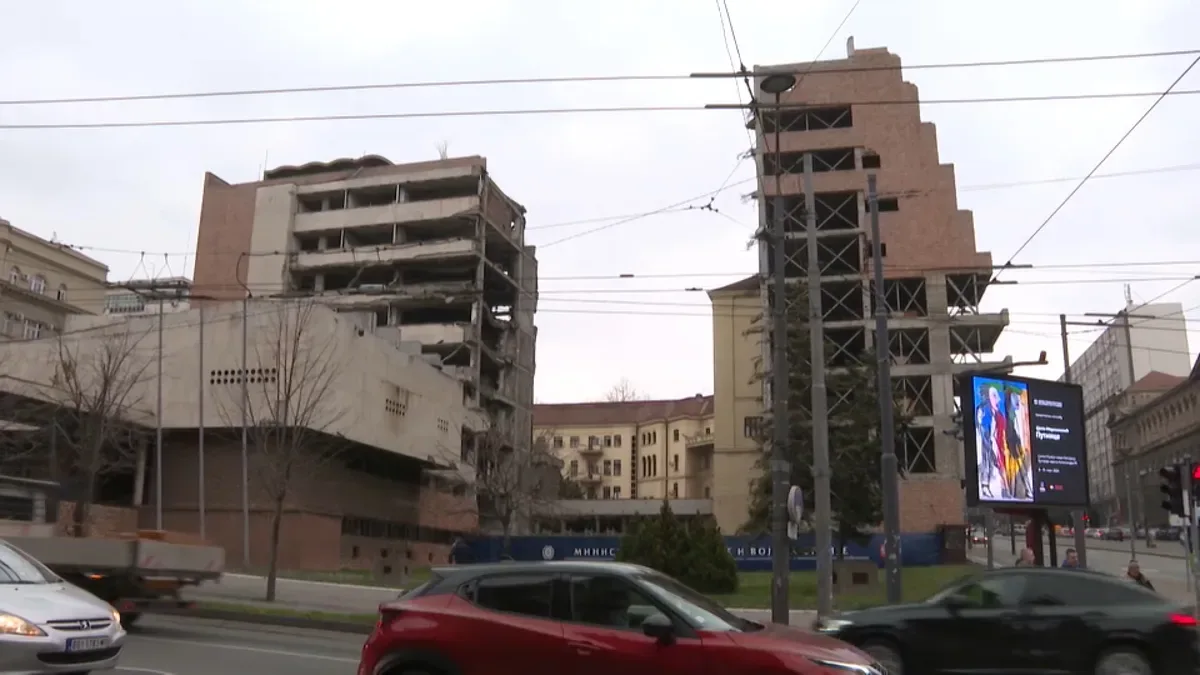
Aleksandar Vucic addressed the public from the building of the General Secretariat of the President of the Republic. “On the second to last day of my presidency, I made the decision to grant amnesty and pardons to 49 people,” he said, adding that he had “acted as president.” He said he made the decision on the twelve members of the Novi Sad group despite the position of part of the commission and the security services, and that of all 23 people, he only knew the name of Mila Pajic. “Acts of pardon and amnesty are acts of mercy, that is what they are called in both theory and practice,” he explained.
The twelve defendants from the Novi Sad group are Movement of Free Citizens (PSG) activists Marija Vasic, Davor Stefanovic, Lado Jovovic, Srdjan Djuric and Mladen Cvijetic, along with members of the Students Against Authoritarian Rule (STAV) organization Lazar Dinic, Mila Pajic, Doroteja Antic, Anja Pitulic, Branislav Djordjevic, Jovan Drazic and Dejan Bagaric. All twelve were on trial for attempting to overthrow the constitutional order. Proceedings began on November 24, 2025, were postponed four times, most recently on September 4, and the next hearing had been set for October 30.
A disputed recording and conflicting accounts
The arrests followed a secretly filmed recording of a meeting between PSG and STAV activists at the party’s Novi Sad offices, which was aired on television stations close to the government. Sources disagree on the exact date: the N1 portal states that six activists were arrested on March 14, 2025, while the newspaper Danas writes that the arrests happened a day earlier, on March 13, the same day the recording aired, and that the case was formally submitted to the prosecution only the next day, according to a PSG statement.
Sources also disagree on which of the twelve are in exile. N1 reports that six spent months in prison and then under house arrest in Serbia, while the remaining six are in exile and are being tried in absentia. Nova.rs, however, writes that all twelve have been in exile for 18 months. STAV itself, in its statement on the amnesty, speaks of “more than 500 days in exile and more than seven months in detention,” which supports the account of two separate groups rather than a single group in exile.
Activists refuse to call it mercy
STAV issued a statement on Monday morning refusing to accept that the pardons and amnesty amount to mercy.
“We do not accept mercy, you never gave it to us. We received the freedom that belonged to us from the start. You are aware of the mistake you made, and now you think you can fix it this way. But no,” the STAV activists said.
The statement adds that the government, in the middle of its election campaign, is using the move to score “a few more small political points” and to present the year and a half its members spent outside the country as if it never happened.
Srdjan Djuric, a former PSG member and one of the twelve defendants, posted on Instagram that he was not seeking mercy but justice.
“After several years of fighting the mafia cartel in power, during which I was detained more than ten times, beaten, targeted, and prosecuted in fabricated proceedings, I do not accept this hand of ‘reconciliation’,” Djuric wrote.
He described the amnesty decision as an attempt to let those who, in his view, should be standing trial escape justice.
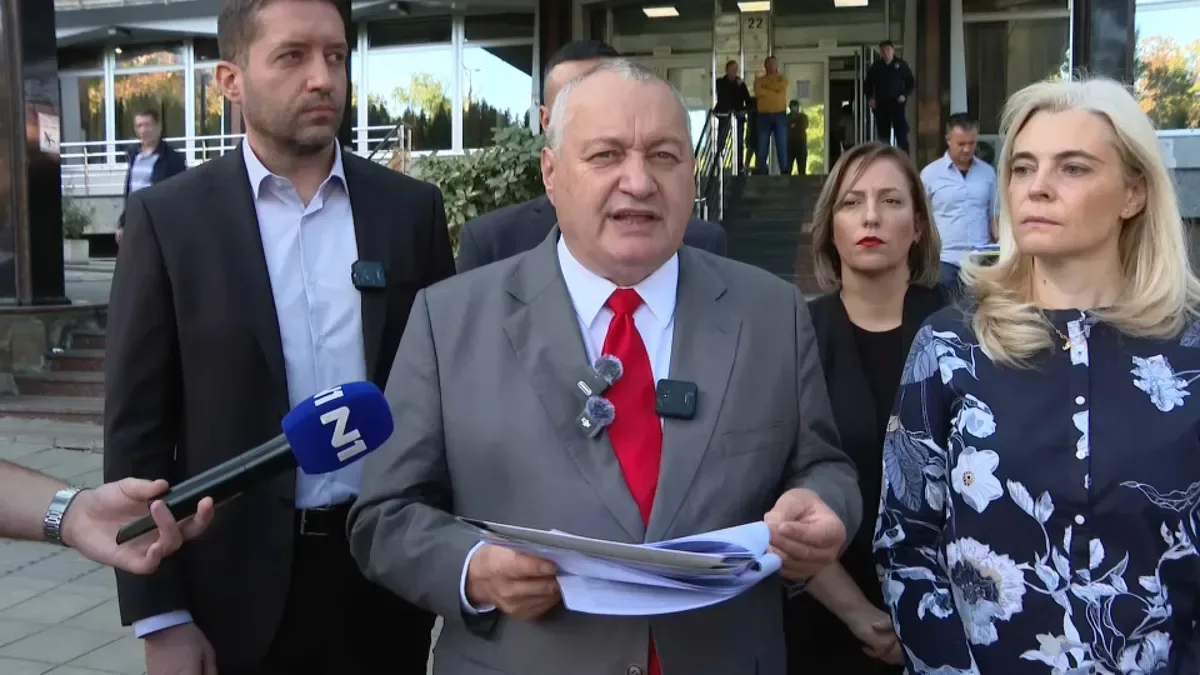
The Movement of Free Citizens also responded as a party. Aleksandar Petrovic, a member of its presidency and head of its legal team, said the amnesty does not settle the question of accountability. “Amnesty does not erase the question of how this case was initiated and who is responsible,” Petrovic said in the party’s statement, adding that the case had been legally deformed from the start, since the secret recording reached television stations before it ever reached the prosecution.
The trial of the twelve is still officially scheduled for October 30. Whether that date will even appear on the court calendar, or whether the amnesty will end the proceedings before then, now depends on the prosecution that filed the indictment in the first place.