Sinisa Mali on Soskic: Dinar Rate From 94 to 118
The acting finance minister posted a video comparing the exchange rate, wages, inflation and investment under Dejan Soskic with today's figures.
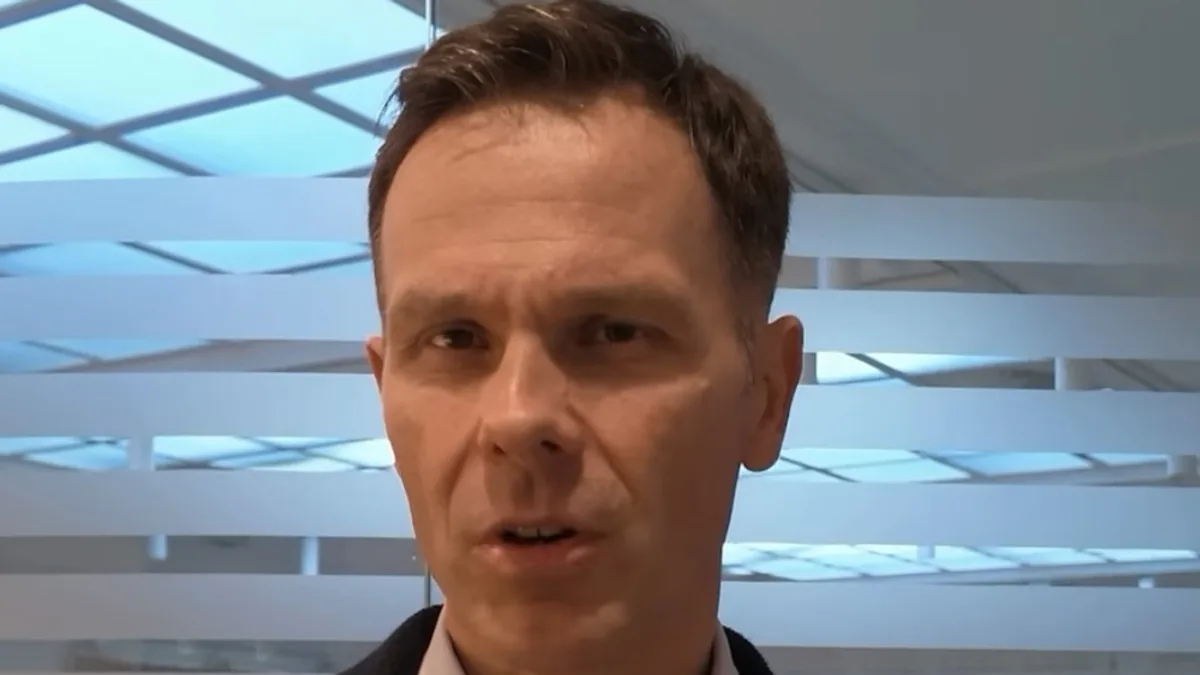
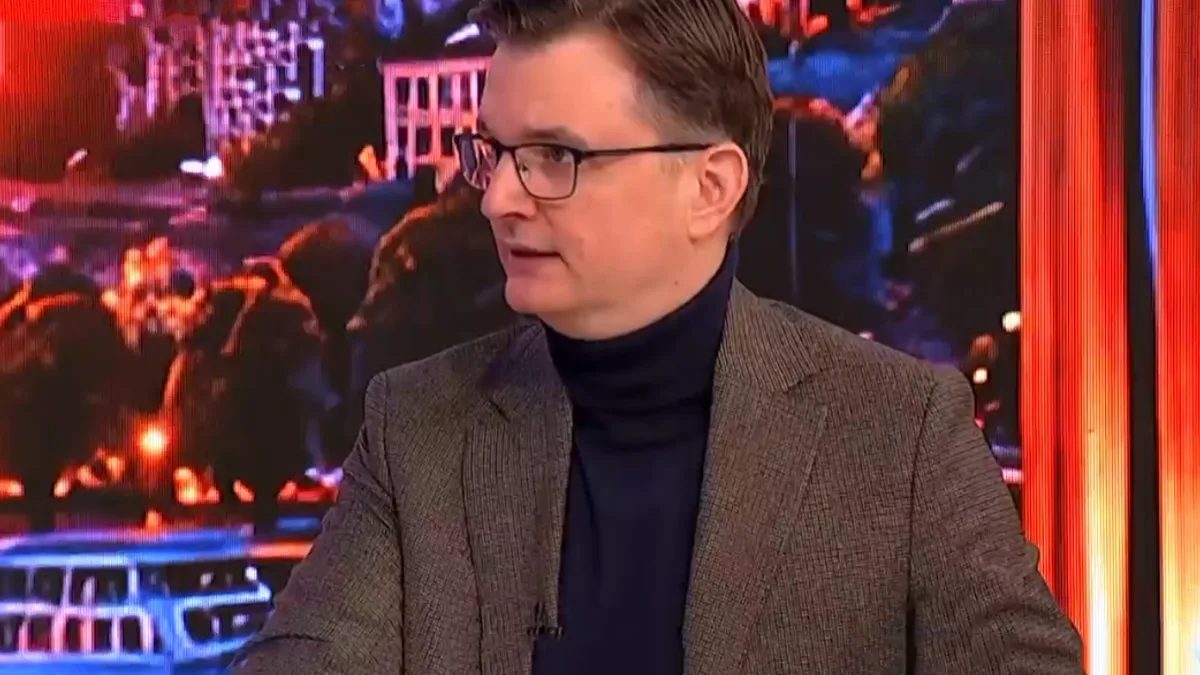
Sinisa Mali, the acting finance minister and a vice president of the Serbian Progressive Party (SNS) Main Board, posted a video on Instagram on October 7 in which he compares economic indicators from the time Dejan Soskic headed the National Bank of Serbia (NBS) with today’s. Soskic is the chief economist of the Student List, and the video appears less than three weeks before the elections scheduled for October 25.
The texts reviewed contain no response from Soskic.
What did Mali say about the exchange rate, wages and inflation?
The first comparison concerns the dinar exchange rate. Mali said:
“During his term, the exchange rate went from 94 dinars to the euro to as much as 118 dinars to the euro. In the last 14 years, during Aleksandar Vucic’s term, the exchange rate has been stable, at around 117 dinars.”
According to the NBS exchange rate list for October 6, 2026, the official middle rate was 117.4601 dinars to the euro, Nis TV reports.
Mali puts the average wage in Soskic’s time at about 360 euros and today’s at more than 1,000 euros. Nis TV notes that the average net wage in July 2026, according to the Republic Statistical Office (RZS), was 121,346 dinars, while the median was 95,036 dinars. Over 2012, average monthly net wages ranged mostly between roughly 36,600 and 46,900 dinars.
On the labor market and inflation, Mali said:
“In Soskic’s time, almost 450,000 people lost their jobs. During Aleksandar Vucic’s term, over the last 14 years, half a million people got a job. During Governor Soskic’s term, inflation reached as much as 14.7 percent in April 2011. Today, despite the crises around the world caused by conflicts and wars, inflation here is only around two percent.”
Year-on-year inflation in April 2011 was indeed 14.7 percent, which NBS data cited by Nis TV confirm. According to RZS, it stood at 2.2 percent in August 2026 and 1.9 percent in July. The unemployment rate in the second quarter of 2026 was 7.2 percent.
Investment, banks and the resignation
Mali said net inflows of foreign direct investment in 2012 were slightly above 700 million euros, while in 2024 some 5.2 billion euros flowed into Serbia. According to NBS data cited by Nis TV, 5.2 billion euros is the record gross inflow from 2024, and the net inflow, once residents’ investments abroad are counted, was 4.6 billion euros.
On the banks, he said:
“In Dejan Soskic’s time, four large banks went bankrupt. Because the tycoons who, in his time, took out cheap loans did not repay those loans. So from his economic policy only the tycoons benefited, and at the expense of ordinary citizens.”
Nis TV adds that the causes of those banks’ problems cannot be pinned on one person or institution, and that Soskic rejected claims that the central bank governor was responsible for the overall economic problems.
How closely does the comparison track Soskic’s term?
Soskic was NBS governor from 2010 to 2012. Nis TV reports that, according to the NBS, the dinar lost 10.5 percent of its value against the euro during his term, so the move from 94 to 118 dinars, the outlet writes, should be read as a broader comparison of the period before 2012 with later years, not as a change within the formal term.
Mali also played an earlier statement by Soskic on possible adjustment models. In it, Soskic says:
“What is very likely unpopular is to let the domestic currency weaken. The other way, what the Baltic states did, is that they built a national consensus that they wanted to keep a fixed exchange rate, but that meant cutting the wages of all employees.”
Mali claimed that Soskic “is saying today” that he would bring back an unstable exchange rate and cut wages and pensions. According to Nis TV, Soskic recently said that there is no hierarchy on the Student List and that he is “one of 250 equal candidates.” He is 27th on the list.
At the end of the video, Mali said Soskic does not feel responsible:
“No, of course he does not feel responsible, and he did not resign over poor results. On the contrary, now he wants to return to power so that he and his tycoons can keep getting rich, and ordinary people poorer.”
Soskic resigned on August 2, 2012. According to Nis TV, he did not cite economic results as the reason but the proposed amendments to the Law on the National Bank of Serbia, which he argued undermined the central bank’s independence.
The same day in Dobanovci
Mali also spoke with young people in Dobanovci, near Surcin, about education, training, a first job and quality of life. He then wrote on Instagram:
“A conversation with young people brings special strength and energy, but also great responsibility. They are our future, our strength, and that is why it is important to hear their voice. And that is why my message to them today is to keep working and learning hard, and we will do everything to leave them a better, nicer and more successful Serbia.”
He also said a vote for list number one, “Aleksandar Vucic - United Serbia,” is a vote for better education, new jobs and higher wages.