Vucicevic: 4.3 Million Voters Needed for Change on Oct. 25
Political scientist Dusan Vucicevic estimates that a change of government needs 4.3 to 4.4 million voters, and that the 3 percent threshold means 130,000 to 135,000 votes.
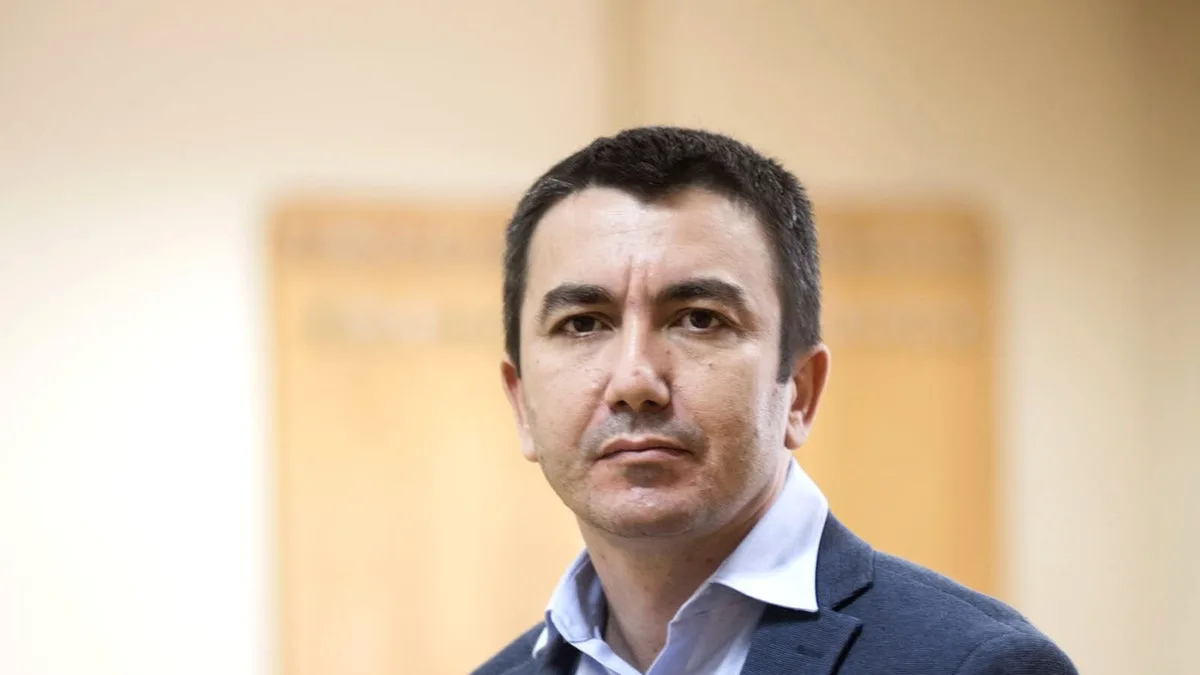
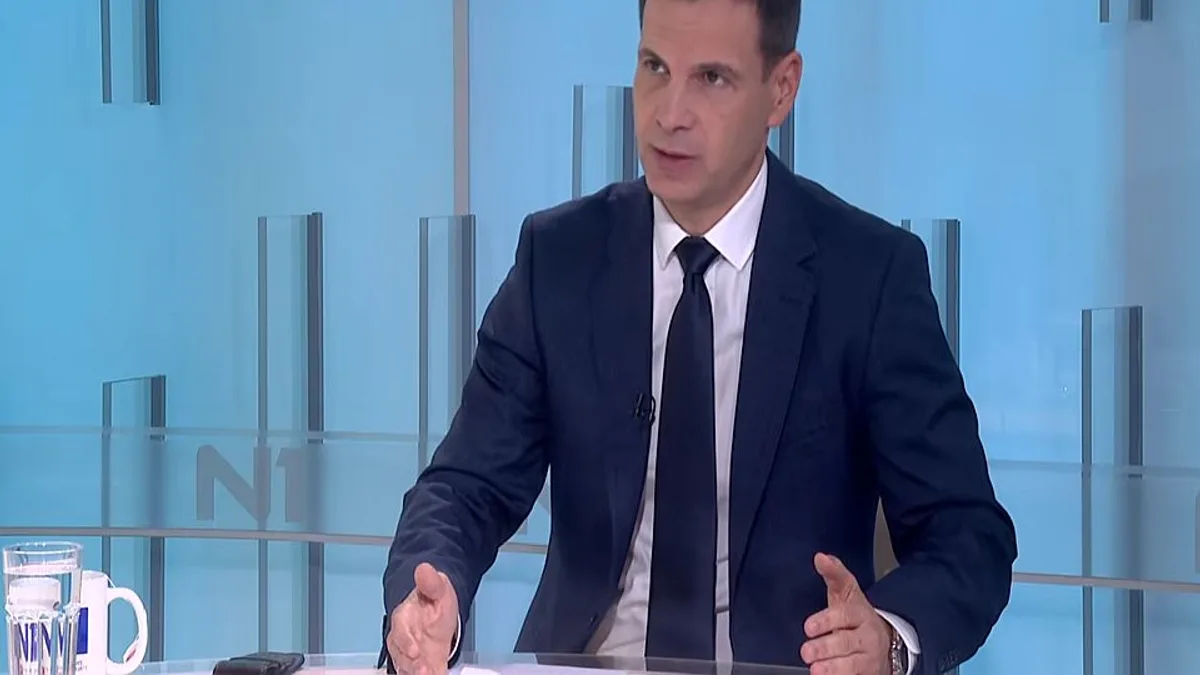
Faculty of Political Sciences professor Dusan Vucicevic said in a statement to N1 on October 12, 2026 that turnout in the October 25 parliamentary elections would have to reach about 4.3 to 4.4 million voters for a change of government to be realistic. His estimate follows the announcement that the voter register lists 6,450,523 voters, which we have already reported, and it also builds in his expectation of which lists are near the electoral threshold.
By his calculation, the Serbian Progressive Party (SNS) can bring out 1.7 to 1.8 million of its voters. With that as the baseline, Vucicevic says, turnout of 4.3 to 4.4 million is the level at which a change can be expected. By our own calculation, that is roughly 67 to 68 percent of registered voters.
How many votes is the 3 percent threshold?
At that turnout, the 3 percent threshold comes to about 130,000 to 135,000 votes. Vucicevic says the Socialist Party of Serbia (SPS), European Serbia and Authentic Right are all fighting for the threshold, and this is how he put the math:
“SPS, European Serbia and Authentic Right are fighting for the threshold… The threshold is 3 percent, and some voters will still vote for all of these options, because they have the impression that we are talking about 130 to 135,000 votes, and then that doesn’t seem like such a big number to people, even though that many votes is not so easy to win”
He does not think the list led by Bogoljub Karic can clear the bar. He also counts on about 2 percent invalid ballots, roughly the level of earlier elections, and says part of the vote will fall below the threshold:
“Because we will also have about 2 percent invalid votes, which is more or less the standard in all previous elections. One part of the votes that stay below the threshold will be anti-regime. We will see whether there will be pro-regime votes that stay below the threshold too, there probably will be, Mr. Karic, I think, cannot pass the threshold, and anti-regime voters will not vote for him”
On the SPS, he argues that clearing the bar is far from certain. He says the party has internal problems and that Branko Ruzic, in his words, called, though not quite directly, for a vote for the list numbered 3.
What is the campaign like on the ground?
Vucicevic says that for the first time in 14 years there is a campaign in which two strong players, each mobilizing a large number of active people, are competing. As a change in the SNS campaign, he points to Aleksandar Vucic insisting on television debates with candidates from the other side, which he attributes to the situation on the ground. On the Student List he said:
“For the first time we have a strong field campaign by someone who is not the SNS, and we can see that very clearly over the past two, three weeks, and I think we will see it over the next few as well, and most importantly on election day. On the ground they have somewhere become level, and it seems to me the Student List is in front”
This is one analyst’s assessment, not a measured result, and it should be read that way. Vucicevic describes the conditions for the elections as the worst ever, but expects better oversight at polling stations than before:
“We can expect that the votes will be counted fairly and that there will be very few irregularities at polling stations. Whether all polling stations are covered by trained monitors, we will see in the coming days”
Why does the voter register have a million more people than the census?
The professor says citizens are startled every time the total number of voters is published, and that the voter register and the census are two entirely different records. He explains the gap this way:
“It is true that the census has a million fewer adults than the voter register, which is relatively imprecise. I can’t say how many people on the register have died, there are probably some. The number of voters in the register is higher because it includes our citizens who are 18 and who live in the diaspora. The census, especially if they moved away 5, 10, 15 years ago, does not capture them. And that is where a good part of the difference comes from”
The diaspora also figures in his turnout calculation. About 111,000 voters have registered to vote abroad, according to the latest figure he cited, and he credits the higher number of registrations to mobilization and to the good relations students have built with the diaspora and the Assembly of the Diaspora. He expects turnout to come close to 4.3 million, as he put it:
“That will raise the turnout numbers in Serbia that we expect based on research. My expectation is somewhere close to 4.3 million, with an increased number of people voting at polling stations outside Serbia - we can go to 4.3 - 4.4 million”
By his account, it will be known before the October 25 vote whether all polling stations are covered by trained monitors.