Complaint Over Vucic's 49 Pardons Sent to Prosecutors
The Supreme Public Prosecutor's Office has passed Srdjan Milivojevic's complaint against Aleksandar Vucic over 49 pardons to the anti-corruption department in Belgrade.
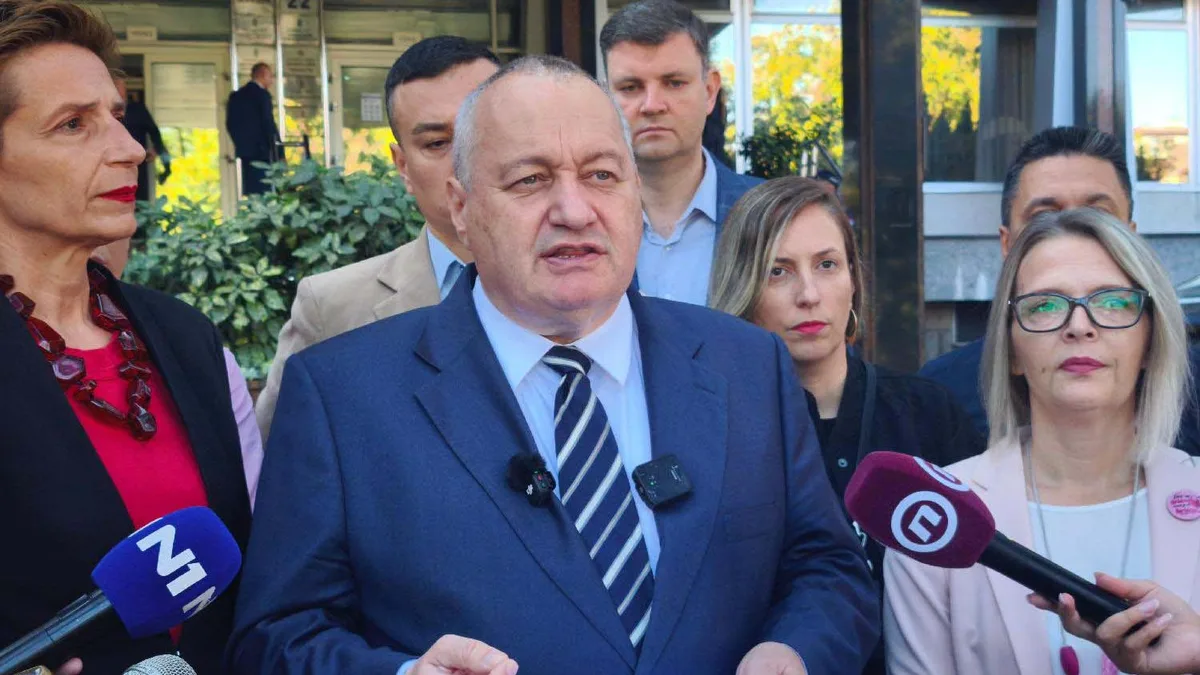
A criminal complaint against former Serbian president Aleksandar Vucic over the pardoning of 49 people has reached the Special Anti-Corruption Department of the Higher Public Prosecutor’s Office in Belgrade. The news came from the man who filed it, Democratic Party leader Srdjan Milivojevic, who posted the Supreme Public Prosecutor’s Office decision on X on October 17 and then spoke about it at a press conference in front of the Supreme Public Prosecutor’s Office building in Belgrade.
What does the decision to hand over the case say?
According to the decision Milivojevic published, he filed the complaint with the Appellate Public Prosecutor’s Office in Belgrade. The Supreme Public Prosecutor’s Office then passed the case to the Special Anti-Corruption Department of the Higher Public Prosecutor’s Office in Belgrade as the competent body.
The sources do not give the date of the handover or the case number. The prosecution has not said whether an investigation has been opened in this case.
What is Vucic accused of in the complaint?
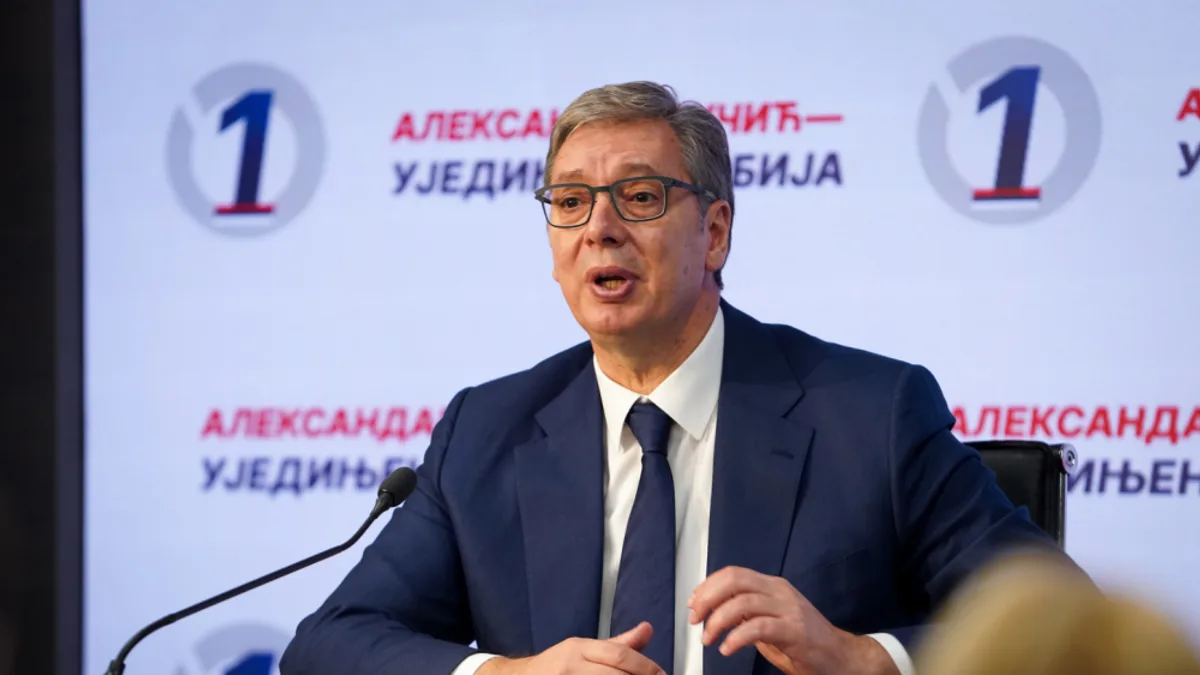
Milivojevic claims that Vucic committed the crime of abuse of office through the pardon decree he issued in the last days of his presidency. When filing the complaint, he called the pardons “unlawful” and said the then president had exceeded his official powers.
In the complaint’s explanation, Milivojevic states that Justice Minister Nenad Vujic submitted neither the required opinion nor a proposal for the pardons. He added that employees of that ministry have said several times that no one from the President’s General Secretariat approached them to take part in making such decisions.
The Democratic Party leader told the press conference:
“This means the pardon and abolition procedure was conducted non-transparently and without publication of information.”
He also argued that establishing a link between the pardons and the protection of Vucic and people close to him would “create the preconditions for launching other criminal proceedings.”
Who was pardoned, and who was never named?
At the press conference where he signed his resignation as president, Vucic said he had decided to pardon or grant abolition to 49 people in total. He identified only 12 of them, indirectly: the so-called Novi Sad group. They are students and activists who were charged with several offenses against the constitutional order over a secretly recorded conversation in the premises of the Free Citizens Movement (Pokret slobodnih gradjana) in Novi Sad.
The names of the other pardoned and amnestied people have not been made public, and the pardon decrees have not been published anywhere, even after more than two weeks. Milivojevic said he does not currently know who all the pardoned people are, apart from those whose names have been announced, but that he suspects they include people facing proceedings in the Nadstresnica, Generalstab and Jovanjica cases.
We previously reported Prijovic’s claims that Vesic and Dimoska are among the 49 pardoned. That has not been confirmed by any official document either, because the list has not been published.
What does Milivojevic want the prosecution to do?
At the press conference, Milivojevic asked the prosecution to move on the case immediately:
“I propose that the Supreme Public Prosecutor’s Office in Belgrade hand the case over to the competent prosecutor’s office, and that it immediately start and carry out an investigation.”
The handover to the Special Anti-Corruption Department means the complaint is now in the hands of the office the Supreme Public Prosecutor’s Office named as competent. Whether an investigation will be opened is still unknown. The sources also record no response from Vucic to the complaint.