Tomo Stojic pardoned, father of dead worker sees revenge
Milovan Milivojevic says pardoning the Lucani factory manager is revenge against him and his family, while Vida Petrovic Skero asks the Constitutional Court to suspend the pardons.
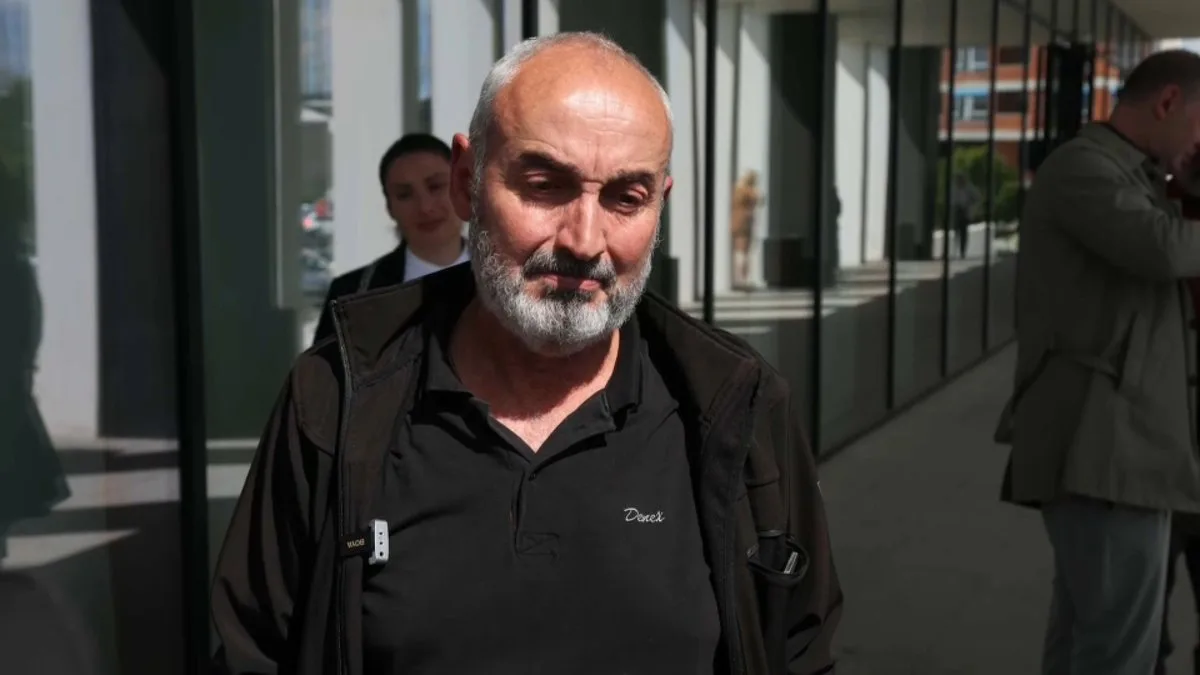
Tomo Stojic, a manager at the “Milan Blagojevic Namenska” factory in Lucani who was sentenced to two years in prison over the July 2017 fire, is among the 49 people Aleksandar Vucic pardoned on September 27, before his resignation. Milovan Milivojevic, the father of one of the two workers who died, called the decision revenge in a statement to the FoNet agency today, while former Supreme Court of Serbia president Vida Petrovic Skero wants the Constitutional Court to halt the pardons with an interim measure.
The Ministry of Justice, which is in a caretaker mandate, published the full list of those pardoned yesterday. We have already reported on the list of 49 names, and today two voices add to it: a parent whose son’s death led to a conviction of the man now pardoned, and a jurist who doubts the procedure itself.
What was Tomo Stojic convicted of?
Milomir Milivojevic (25) and Milojko Ignjatovic (55) died in the fire at the Lucani factory. The trial was held in Kragujevac, and Stojic received a final sentence of two years in prison. The first defendant in the case, Rados Milovanovic, died in April 2022, before a verdict, and proceedings against him were dropped.
Milivojevic says the verdict became final last year, which means Stojic should already have spent about a year behind bars, or half of his sentence.
What does the father of the dead worker say?
Milivojevic does not see the pardon as an ordinary decision about one convict. He sees it as the final move in a years-long conflict. He said Vucic wanted revenge on him for fighting for justice and for a marker at the place where his son died.
“What did he want in the end? To take revenge on me for everything, to put a full stop on it, simply, to drive a nail into Milovan’s forehead.”
He described Stojic as the last person who should have been pardoned: “He is an insignificant figure who neither works in the factory nor anything else.” He also claims the decision had been agreed in advance and would never have come to light without the change of government. “If they had won these elections, be sure it would never have been published,” Milivojevic said. He hopes the new authorities will correct the injustices by reviewing the entire case, and announced that he will continue his legal fight against Stojic’s pardon.
Nor will he give up on a memorial plaque for his son inside the factory grounds. He says he has already ordered the plaque and is only waiting for permission to put it up. “As long as I live, I will not give up on that,” Milivojevic said. By his account, he was promised the marker several times, but it never happened, even though factory management had announced a memorial with the names of all workers killed on the job.
Vucic’s reaction to these claims was not known at the time of publication.
What does Vida Petrovic Skero ask of the Constitutional Court?
Petrovic Skero told RTS that it is still unknown whether the legal procedure was followed when the decisions to pardon 49 people were made. The law gives no right to appeal a pardon, but, as she puts it, the lawfulness of the procedure in which the decisions were made can be questioned.
The Constitutional Court, she believes, should step in. She asked for an interim measure, a suspension of the pardons, until it is established in each case whether the procedure was abused.
“The president’s constitutional power is to grant pardons. A pardon is an act of mercy. But whether it was done according to the law or not, we still do not know today.”
She points in particular to contradictory statements from the Ministry of Justice, which first said it had not taken part in the pardon procedure and then that it could not publish the list until the courts did so. She also asks who proposed what:
“We do not know whether the Ministry wrote its reasoned proposal to the head of state. We do not know whether in all cases, or in some cases, a court gave its opinion that the conditions for a pardon exist.”
She assessed the explanation that the decisions first had to reach courts and prosecutors’ offices this way: “It is obvious that the executive branch has treated the judiciary as its service, as its PR department, which is unacceptable.” For her, procedure is the key question: “If they really did not take part, then the procedure was grossly violated and that act must not produce legal effect.”
Asked whether she sees the pardons as political or legal decisions, she answered that, given the circumstances in which they were made, they look more political to her.