Bosnia Allows Serbian Citizens to Vote on October 25
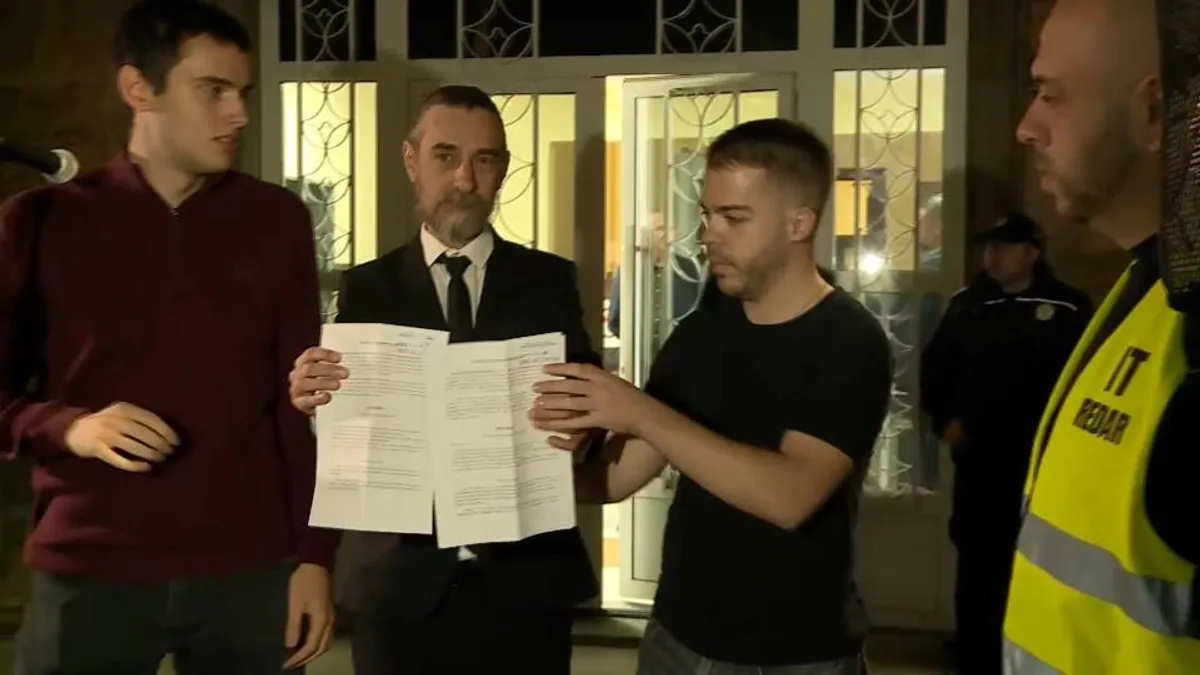
Bosnia's Council of Ministers unanimously approved 27 polling places for Serbian citizens on Sunday. Earlier, it passed the items Konakovic had set as a condition.
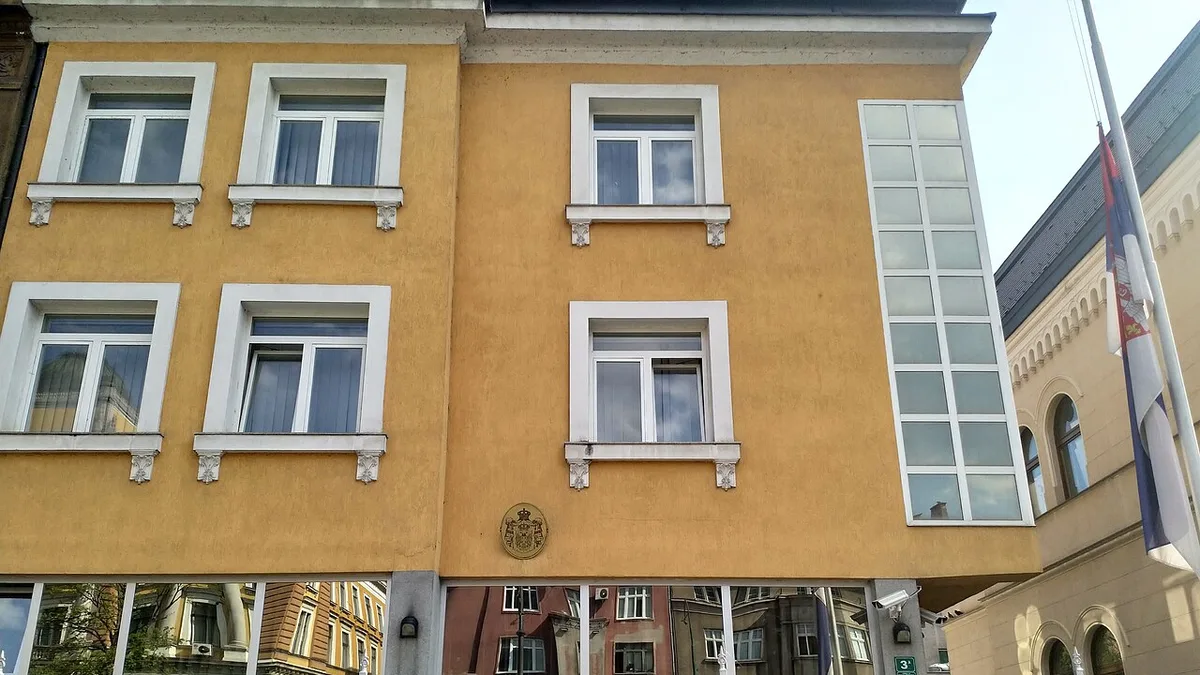
Serbian citizens living in Bosnia and Herzegovina will be able to vote in Serbia’s parliamentary elections on Sunday, October 25. The Council of Ministers of Bosnia and Herzegovina unanimously approved it today, October 20, at an extraordinary telephone session, on a proposal from the Bosnian Foreign Ministry.
Voting runs from 7 a.m. to 8 p.m. By conclusion of the session, the Foreign Ministry is tasked with informing the Serbian Embassy in Bosnia of the approval. The Council also considered that embassy’s diplomatic note.
How was the decision reached?
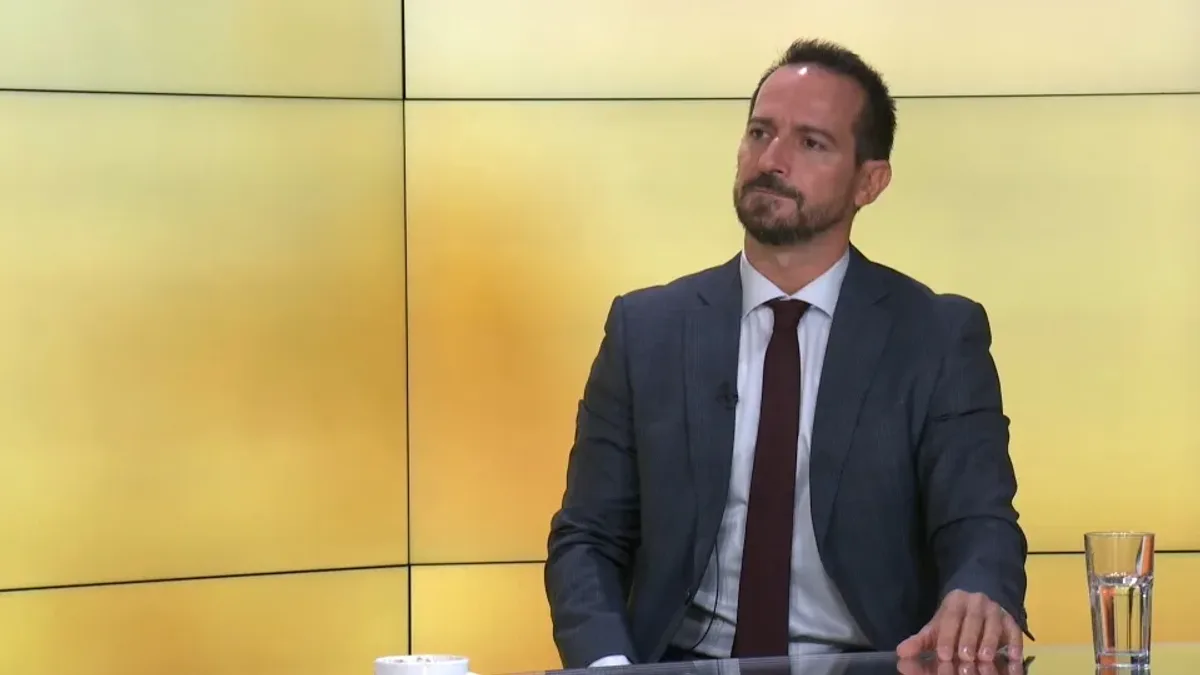
The session was requested by Stasa Kosarac, deputy chair of the Council of Ministers and minister of foreign trade and economic relations. According to N1 Sarajevo, it was the 89th extraordinary telephone session.
As we reported earlier, Foreign Minister Elmedin Konakovic had made the vote conditional. Before this item, at a first extraordinary telephone session the same day, the Council adopted all five items concerning Bosnia’s diplomatic and consular network. They include 3.6 million KM for renovating the mission building in Madrid and the purchase of a building in Rome, at Via Lucilio 16, for 2.5 million euros. Konakovic had earlier warned that embassy staff would be sent home if Serbia organized voting in Bosnia without permission.
Where will people vote?
Serbia’s Foreign Ministry designated 27 polling places. In the diplomatic network, they are:
- the Serbian Embassy in Sarajevo
- the consulates general in Banja Luka and Mostar
- the consular offices in Trebinje and Drvar
- a business building and the M:tel telecom center in Banja Luka
The remaining 20 are schools, community halls and cultural centers:
- Bijeljina, Vuk Karadzic Elementary School
- Bratunac, Secondary School Center
- Brcko, Serbian House
- Zvornik, two locations: Vuk Karadzic Elementary School in Branjevo and Saint Sava Elementary School
- Visegrad, Ivo Andric Secondary School Center
- Vlasenica, Vuk Karadzic Elementary School
- Gradiska, Cultural Center
- Doboj, Center for Culture and Education
- Lopare and Foca, Saint Sava elementary schools
- Novo Gorazde, Vuk Karadzic Elementary School
- Pale, Srbija Elementary School
- Prijedor, Desanka Maksimovic Elementary School
- Sokolac, Sokolac Elementary School
- Modrica, cultural center
- Mrkonjic Grad and Rudo, secondary school centers
- Rogatica, 27 January Secondary School Center
- Ugljevik, Filip Visnjic Center for Culture
What did Kosarac say?
After the session, Kosarac said:
“It is important that citizens of Serbia who live in Republika Srpska and the Federation of Bosnia and Herzegovina can exercise their right to vote in the upcoming parliamentary elections.”
In the same statement he urged citizens to back Aleksandar Vucic and the “United Serbia” list in the elections. On Instagram he added: “Srpska won on October 4, and Serbia wins on October 25.”
According to broadcaster K3, Kosarac called the decision a victory for Republika Srpska. “We heard from Konakovic that there would be no vote and that he would expel the embassy staff. Today the decision was adopted unanimously, and that is a victory for RS,” he said. He added that the “other side” had gained only a technical matter.
What does Konakovic say?
Konakovic told N1 Sarajevo that the vote would not have happened if representatives of SNSD had not backed the items which, as he claims, had been waiting for months in the Council of Ministers:
“There were no special complications here. If they had not met our demands and had not voted for these items that had been waiting a long time in the Foreign Ministry, the voting of Serbian citizens in Bosnia and Herzegovina would not have happened.”
Asked how the agreement was reached, he replied: “The political blockade at the state level by SNSD is latent and constant.” He also claims that Serbian authorities joined the talks: “I really think the authorities from Serbia got involved here as well, and I know they communicated with SNSD representatives.”
He named the purchase of buildings, a solution to the question of the salary base in the diplomatic and consular network, and the appointment of a Swiss military attache as the demands that were met. He also said this way of negotiating is the only one that works:
“SNSD is a destructive, I have said it many times, Russian submarine. But they cannot do that with us. Here, we found a model to discipline them, and it is the only model that works with them.”
SNSD’s response to Konakovic’s assessments was not published in the statements we are relaying.