National Convent: Only 8 of 130 Recommendations Met
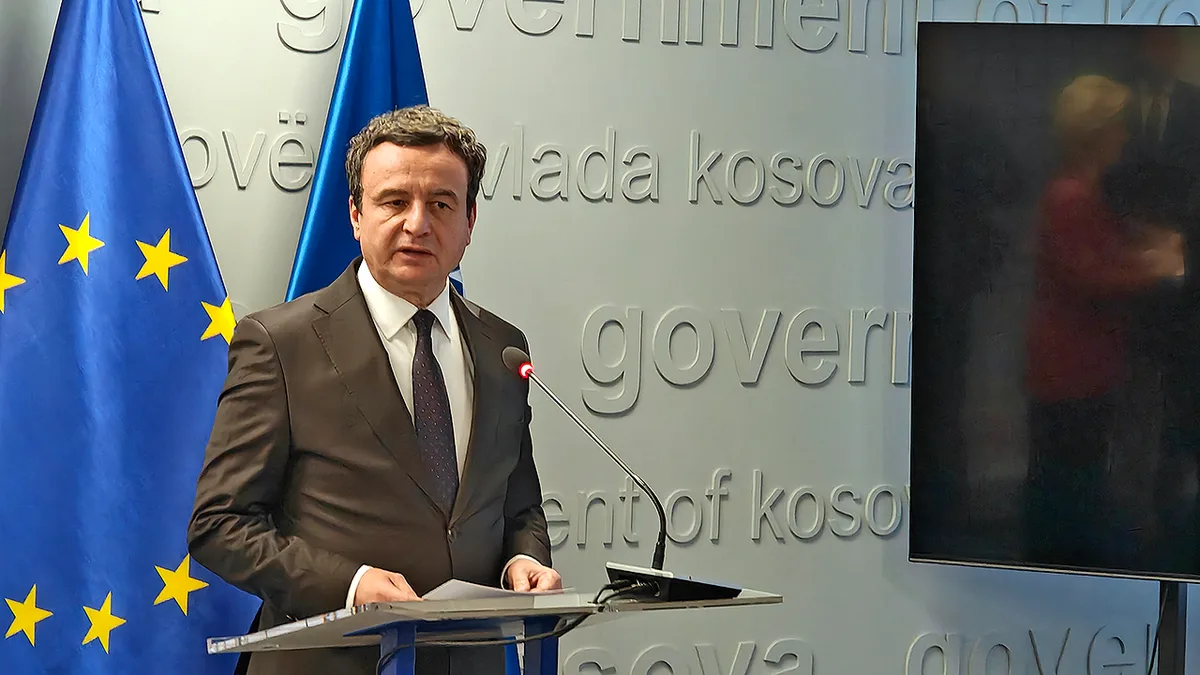
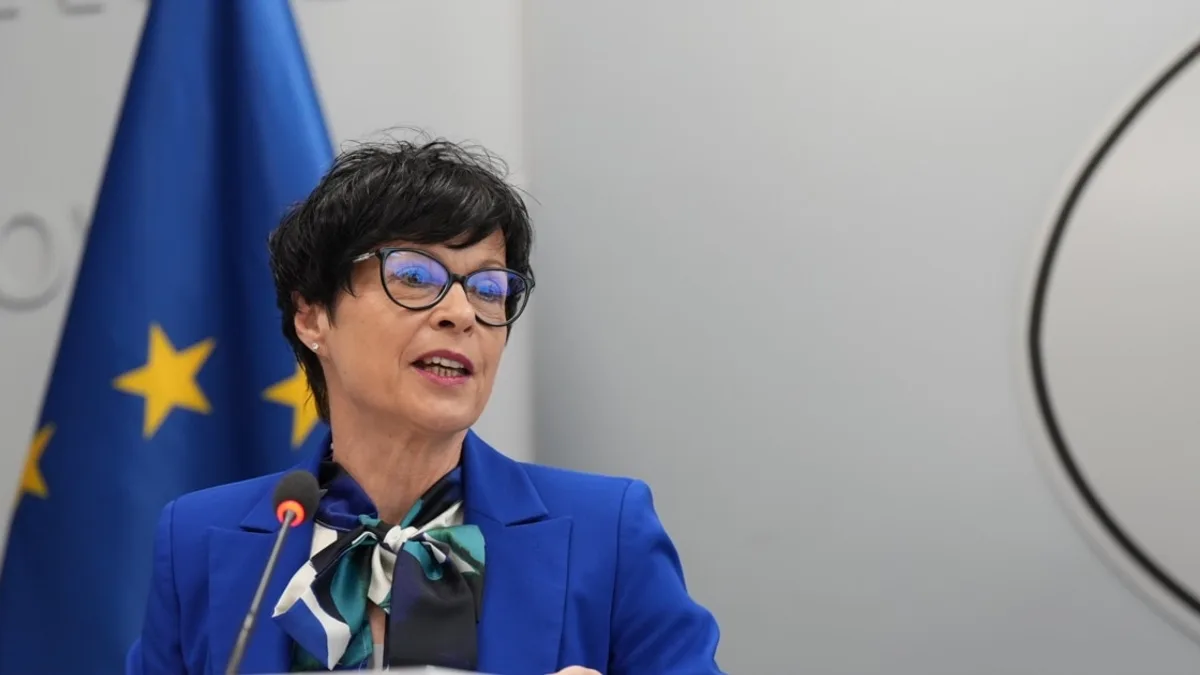
Andreas von Beckerath and Bojana Selakovic exchanged the European Commission's annual report and the Convent's book of recommendations. Working groups count eight met.

Working groups of the National Convent on the European Union (NKEU) assessed 130 recommendations from the previous year and found that eight have been met. Convent coordinator Bojana Selakovic announced this on Thursday, November 5, 2026, at the European House in Belgrade. Her figures imply that 61 recommendations were met in part, while roughly the same number were not met at all.
The numbers were presented at an exchange of two documents. Head of the European Union Delegation to Serbia Andreas von Beckerath and Selakovic handed each other the European Commission’s 2026 annual report on Serbia and the Convent’s book of recommendations.
What did the working groups count?
Of the 130 recommendations, eight were met and 61 were partly met. For the rest, Selakovic said, there is no fulfillment. Most of the problems, she said, sit in one group of negotiating chapters.
“Of course the biggest problems are in the areas covered by chapters 23 and 24,” Selakovic said.
The result did not surprise her. She explained why, and it is an assessment of how institutions behave, not of the numbers:
“That is not surprising to us, given the findings of previous years and given the trend that the institutions of this country, which took part in the European integration process, were not ready to accept what comes from civil society.”
Selakovic added that the two documents exchanged differ in tone but not in substance: “For years, these two documents have differed in tone, but they almost never differ in their findings.”
What does the report say about civil society?
Von Beckerath singled out three areas in which, according to the Commission’s report, there was no progress:
- the rule of law
- media freedom
- the fight against corruption
He relayed the section on the civil sector almost point by point: attacks on students, activists and journalists, institutions that failed to respond to them, and growing pressure on civil society organizations:
“The report highlights attacks on students, activists and journalists and, which is particularly important, the absence of an adequate institutional response to those attacks. It also points to increased pressure, attacks and intimidation of civil society organizations.”
According to him, the report also records that the authorities repeatedly described the protests as an attempt at a “color revolution”, although there is no evidence for it, as well as campaigns against civil society actors and human rights defenders involving tabloids and senior state officials. It also notes the lack of follow-up in cases of intimidation and in allegations of the use of spyware. Von Beckerath singled out SLAPP lawsuits, which stifle public debate and which, he said, continue to hamper the work of the civil sector.
He told the Convent: “You have remained consistent in your positions.”
What was the message to the next government?
The report, von Beckerath said, is open and direct:
“Our annual report is open and direct. The challenges are considerable. A demanding agenda awaits the new government.”
At the same conference he set out what Serbia has to do: “Serbia will have to bridge the divisions in society, rebuild trust in institutions, restore the independence of the media and open space for an honest dialogue on important issues, including Serbia’s European path.”
The European Union, he said, welcomes the commitment of the Student List to put democracy and the rule of law at the center of policy, and is ready to work closely with the future government on reforms in those areas.
Selakovic spoke about the Convent’s role in the period ahead. She listed what von Beckerath had seen in a little over a year in Serbia: students who walked and cycled to Strasbourg and Brussels, police entering the university, police force at protests, stalled negotiations and frozen money from the Growth Plan. The Convent, she said, was neither an opposition nor a political ally of the previous government and will not be one to the new government either, but it deserves initial trust:
“We believe that, after 14 years like these, once the institutions of the new government are constituted, they deserve a measure of trust in advance, but the role of the Convent certainly remains the same, to objectively monitor what is happening in the European integration process.”