Subotica Repeat Vote: Turnout Hits 22.58 Percent
At three Subotica polling stations, 268 of 1,187 registered voters cast ballots. Hungarian Unity leads at both Hungarian council stations, and Mirko Bajic's list leads for the Bunjevci council.
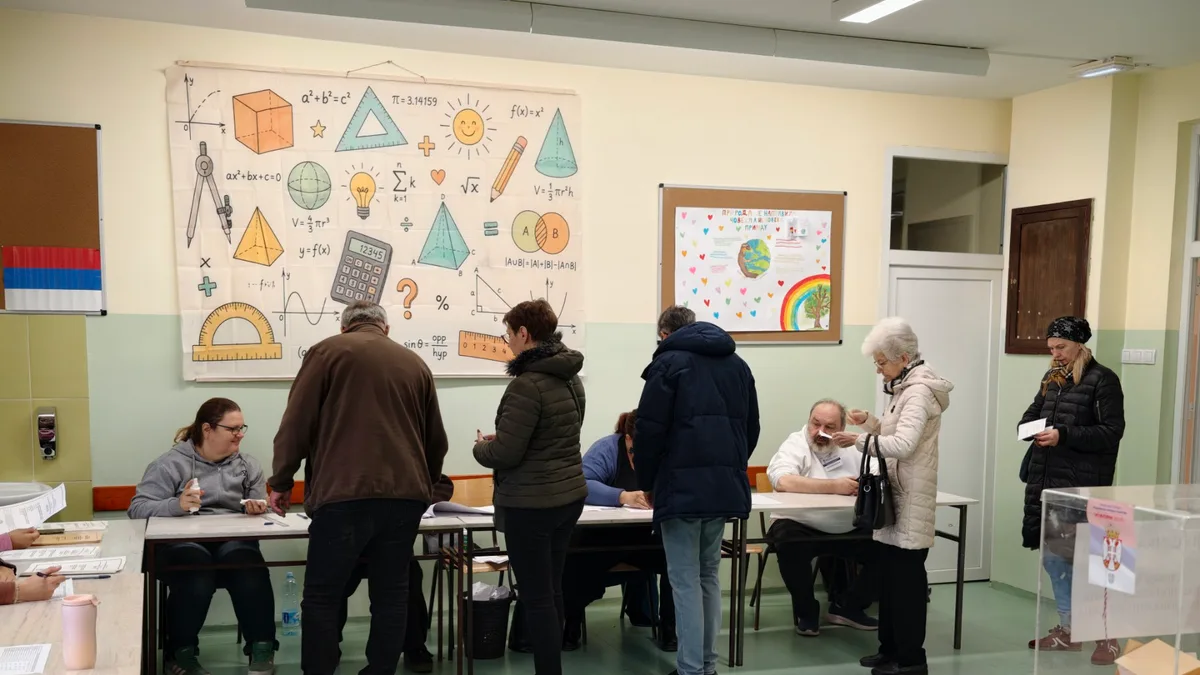
At the three Subotica polling stations where the Hungarian and Bunjevci national council elections were repeated on Sunday, November 22, 268 of 1,187 registered voters cast ballots, or 22.58 percent. According to records published by the Republic Electoral Commission (RIK), the Hungarian Unity list has the most votes at both stations for the Hungarian council, while at the Bunjevci council station the list headed by Mirko Bajic is in front.
We reported earlier on how the repeat vote was scheduled and opened. The figures from the three Subotica stations are now known.
How did the Hungarian council vote go?
Two polling stations voted for the Hungarian national council. They were open from 7 a.m. to 8 p.m.
- Polling station 10, Secenji Istvan Elementary School: 93 of 413 registered voters took part. Hungarian Unity received 63 votes, the Movement for a New Beginning of Vojvodina Hungarians 29, and one ballot was invalid.
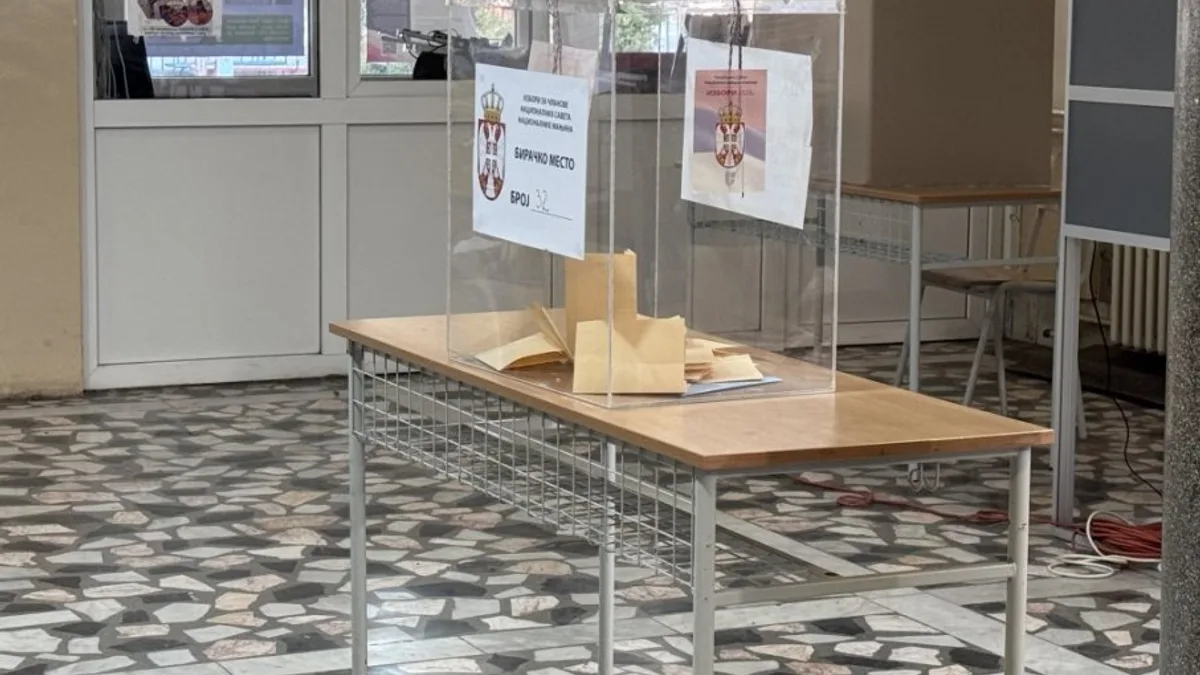
- Polling station 32, Jovan Mikic Elementary School: 162 of 705 registered voters took part. Hungarian Unity received 92 votes, the Movement for a New Beginning of Vojvodina Hungarians 69, and here too one ballot was invalid.
Taken together, 255 of 1,118 registered voters cast ballots at the two stations, or 22.81 percent. Hungarian Unity has 155 votes, the Movement for a New Beginning 98, and two ballots were invalid.
What happened at the Bunjevci council station?
At polling station 31, at the Faculty of Economics, voting for the Bunjevci national council was on a much smaller scale. The special voter register listed 69 voters, and 13 of them voted, or 18.84 percent. All 13 ballots are valid.
The list Bunjevci for Their Identity - Union of Backa Bunjevci, headed by Mirko Bajic, received seven votes. The list of Dr. Suzana Kujundzic Ostojic received five, and the list Bunjevci United for Serbia one.
Why was the vote repeated?
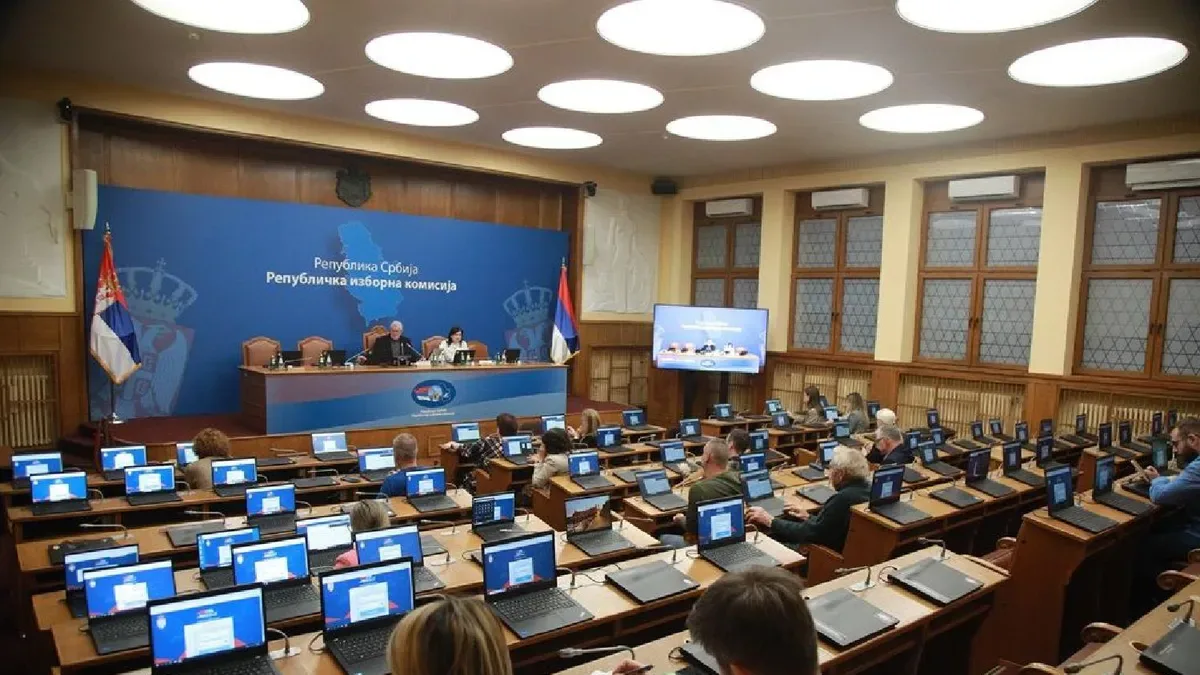
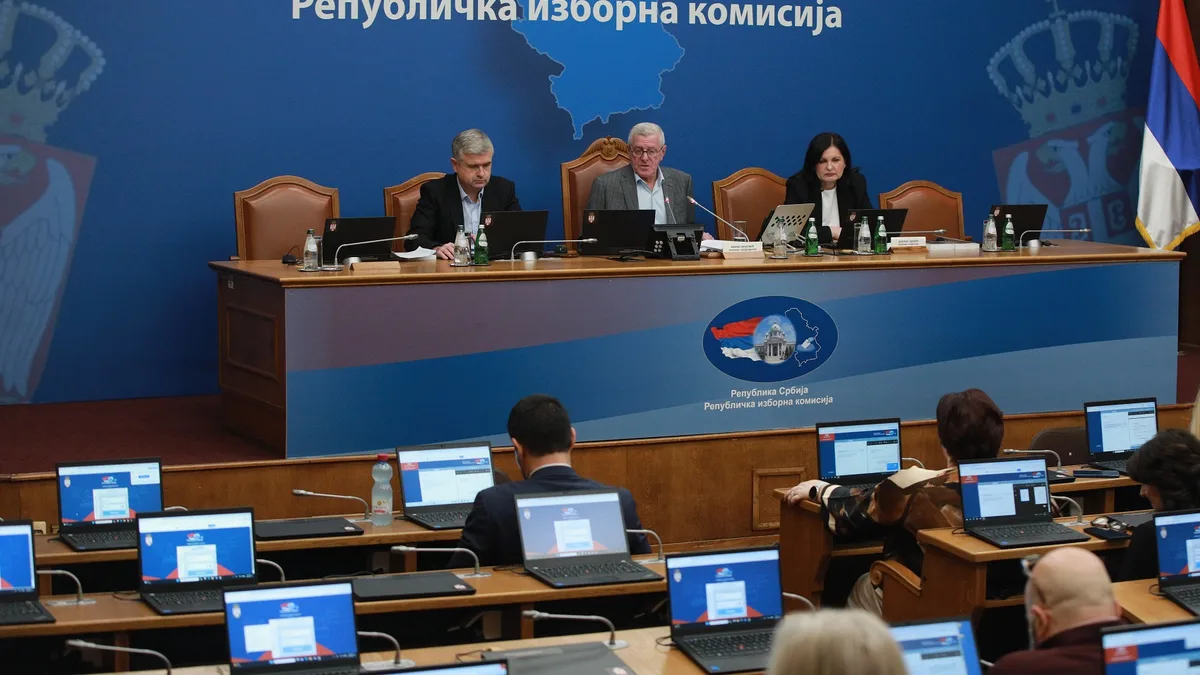
RIK annulled the November 8 vote at all three Subotica polling stations because one more ballot than the number of voters who took part was found in each ballot box. The formation of polling boards for the repeat vote was decided at RIK’s 83rd session, held on November 18 and chaired by the commission’s deputy chairman Marko Jankovic. The same session adopted a decision on reimbursing the costs of the repeat vote.
What is known about the distribution of seats?
The preliminary distribution before the repeat vote was as follows. The Bunjevci council has 19 seats: the list of Dr. Suzana Kujundzic Ostojic 9, Bunjevci United for Serbia 8, and Bunjevci for Their Identity - Union of Backa Bunjevci 2. A majority in that council requires ten seats. The Hungarian council has 35 members, of whom 25 went to Hungarian Unity and 10 to the Movement for a New Beginning of Vojvodina Hungarians.
The final distribution in both councils is determined by RIK on the basis of the overall election results. At the time of writing we found no such announcement, and the commission’s website carries no news after the 83rd session mentioned above.
And the Albanian council in Bujanovac?
The repeat vote was held the same day in Bujanovac, at stations in Breznica (Breznica elementary school) and Samoljica (Samoljica elementary school), where members of the Albanian national council were elected. We found no official RIK results for those two stations.
The local portal Bujanovacke published a seat calculation under the D’Hondt formula that it was given. According to that calculation, in Samoljica the LPD-PDSh list received 162 votes, PVD-AL 90, PD-LR 40, and APN 33. In Breznica, PVD-AL won 104 votes, LPD-PDSh 41, APN 40, and PD-LR 23. The portal states that the quotient for LPD-PDSh’s ninth seat is 474 and for APN’s sixth seat 473.67, so the lists would be tied had APN won two more votes.
Two notes on these figures. The portal published them as a calculation, not as an official result. In addition, the polling station in Samoljica is numbered 19 in its article, but 17 in RIK’s decision on forming polling boards.