Brussels declaration ties EU money to Pristina dialogue
The agreed EU-Western Balkans summit declaration ties payouts from the Reform and Growth Facility to progress on normalization, and Brussels does not expect Serbia to join it.
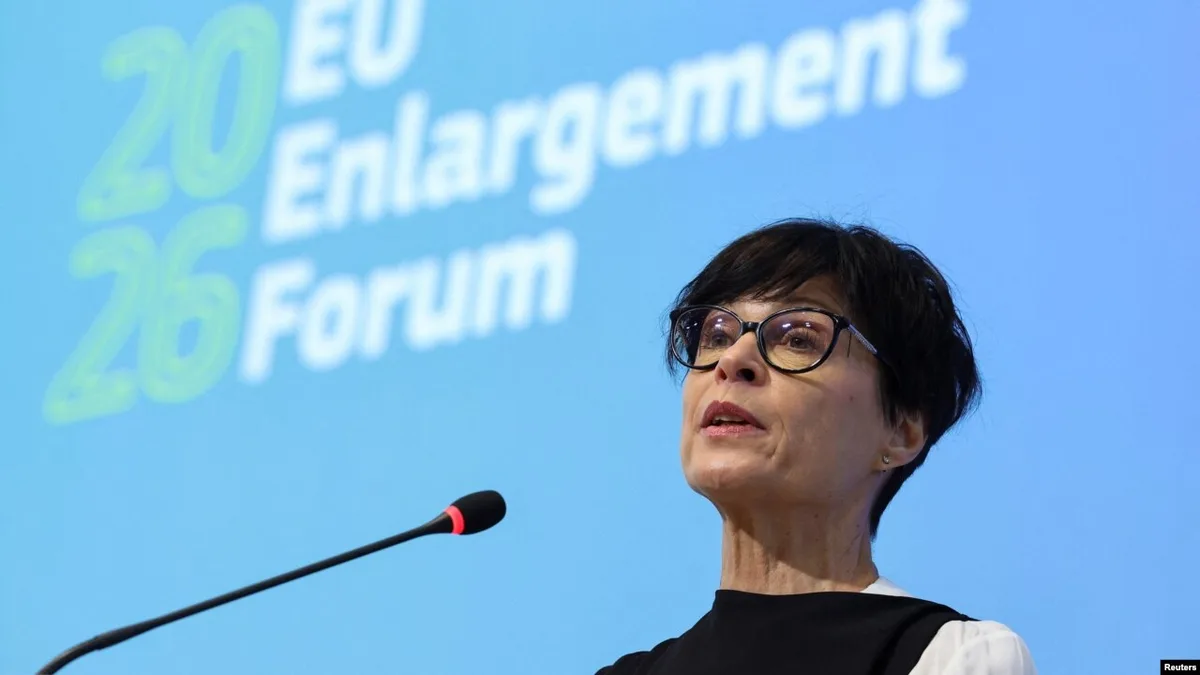
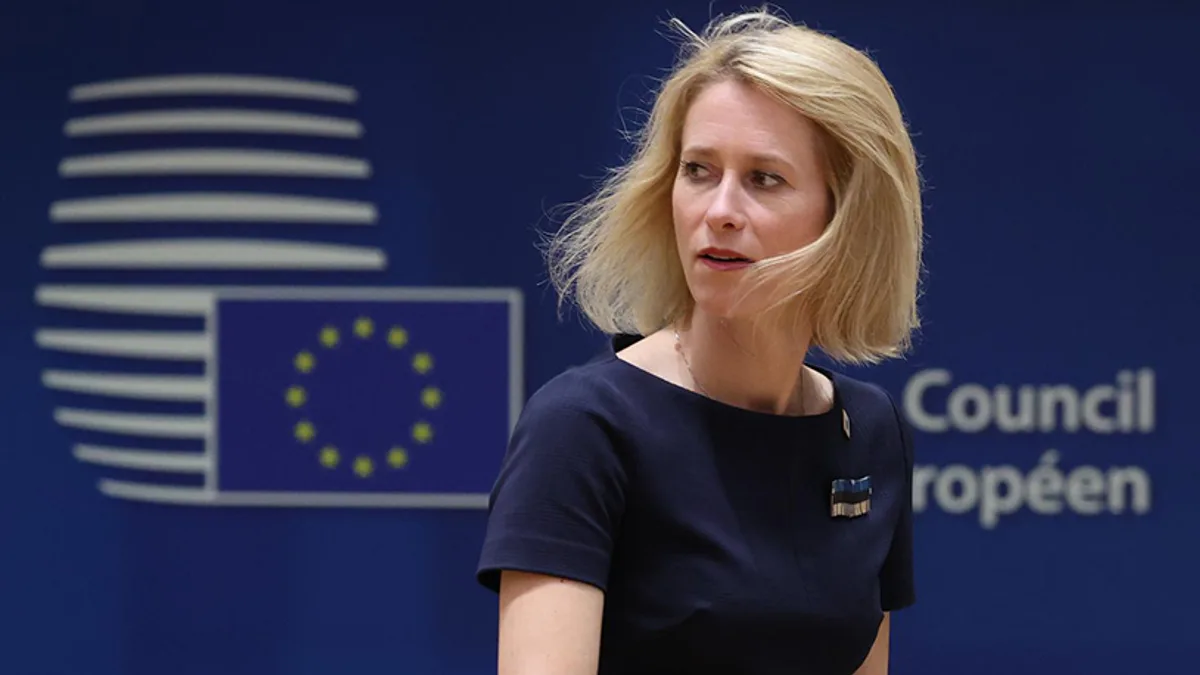
All 27 European Union member states have agreed the text of the declaration from the EU-Western Balkans summit, held in Brussels today, and it explicitly ties money from the Reform and Growth Facility to progress in normalizing relations between Belgrade and Pristina. Western Balkans partners have been invited to join the declaration, but Brussels is not counting on Serbia, which has no representative at the summit.
As we reported earlier, Aleksandar Cupic, Speaker of the National Assembly and acting President of the Republic, canceled his trip. What is new is what the agreed text says.
What does the declaration say about the Belgrade-Pristina dialogue?
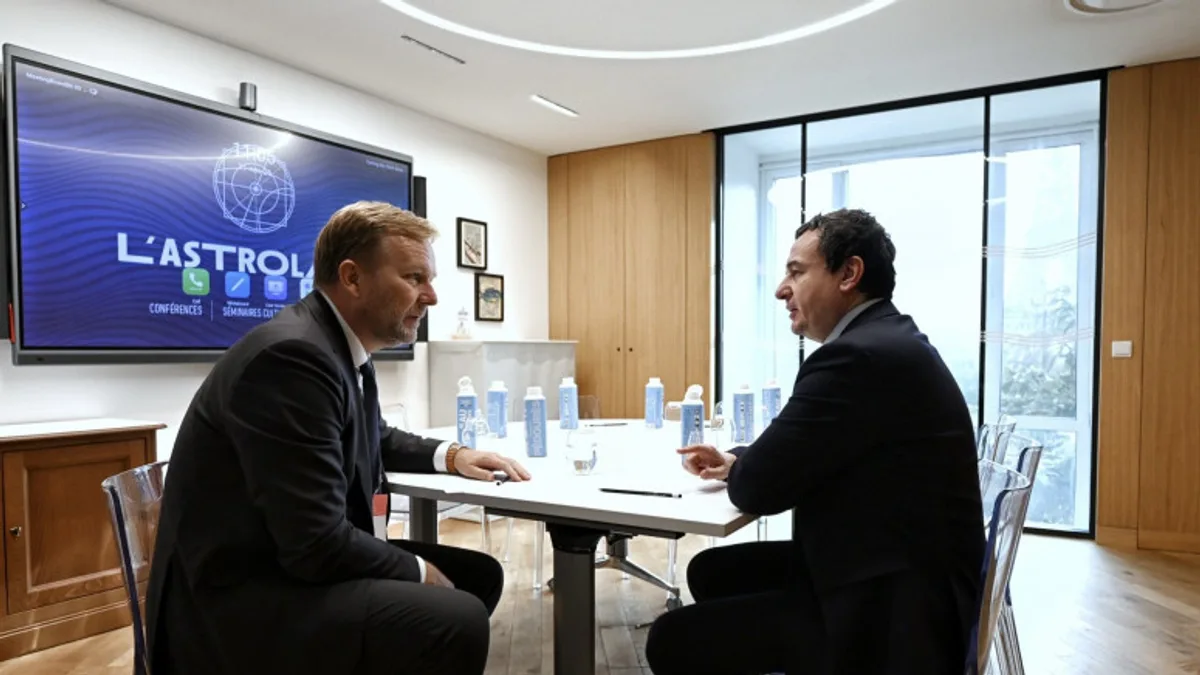
The document assesses that the lack of normalization slows both partners on their European path. The declaration expresses full support for the EU-mediated dialogue and calls for swift, concrete progress toward implementing all agreements reached. The text states:
“We encourage both partners to use the current political moment to engage constructively in the dialogue and to achieve concrete progress without delay toward the full implementation of all agreements reached.”
The call to use the “current political moment” comes as new institutions are being formed in Serbia after the parliamentary elections held on October 25.
How is the money tied to normalization?
The declaration recalls that financial support from the Reform and Growth Facility for the Western Balkans is conditional on constructive participation in the dialogue, measurable progress and concrete results in normalization. The condition is not new: it was set by an EU regulation from 2024, and before each payout the European Commission checks whether both sides take part in the dialogue and have results to show.
The Growth Plan for the Western Balkans is worth 6 billion euros and is entering its final phase. The declaration notes progress on abolishing roaming charges, joining the Single Euro Payments Area (SEPA), and easing trade and border crossings, and it urges the countries of the region to speed up reforms so they can make use of what remains.
Why is Serbia not expected to join in Brussels?
RTS reports from Brussels that European officials do not expect it for two reasons: Serbia is not at the summit, and it does not yet have a fully functioning government. At the December 2025 summit, Serbia likewise did not join the declaration, and then-President Aleksandar Vucic boycotted the gathering because Cluster 3 had not been opened. The previous proper summit was held in June in Montenegro.
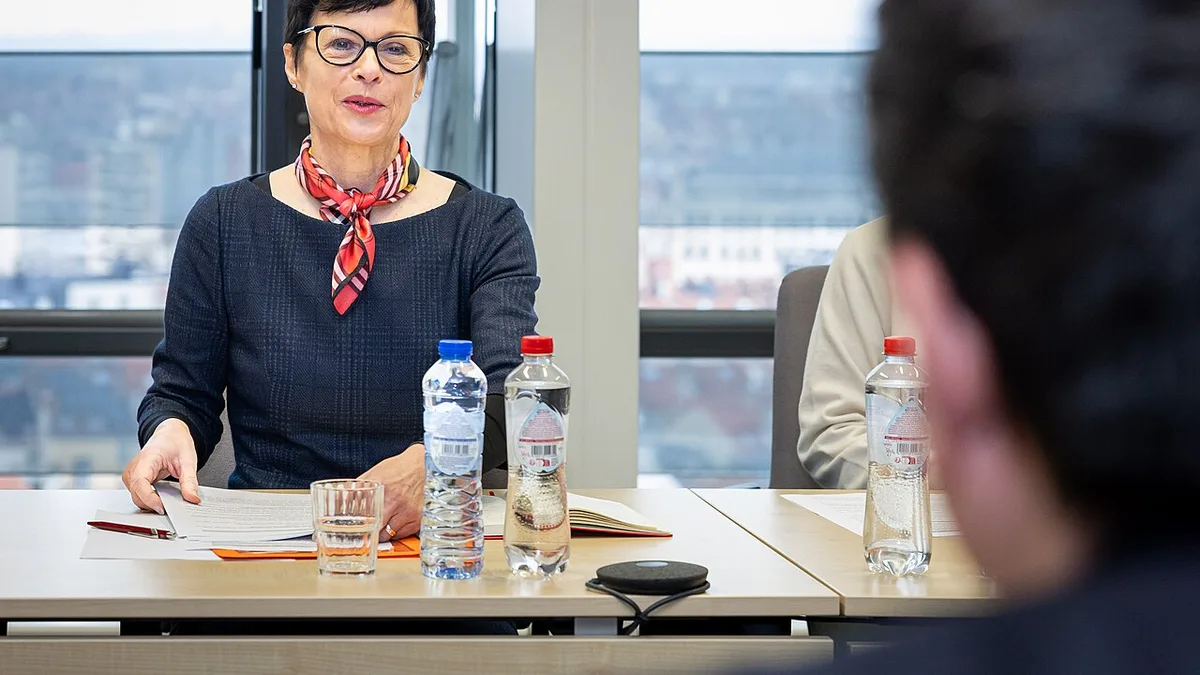
According to a source in the European administration who spoke to Kosovo Online, Cupic’s absence was noted in Brussels. European Commission President Ursula von der Leyen, the source says, conveyed that Cupic should come to Brussels at the first opportunity to discuss cooperation, Serbia’s accession to the European Union and the priorities set out by the Student List, including the fight against corruption and the rule of law.
What else is in the declaration?
The document repeats its “full and unequivocal support” for Western Balkans membership in the EU and calls enlargement a geostrategic investment in the peace and stability of Europe. It also contains a sentence reported by RTS and Danas:
“The future of the Western Balkans lies in our Union. Enlargement is a real opportunity that must be seized.”
Alongside the message on enlargement, the EU states in the same document that it must itself continue preparations and reforms for taking in new members. The declaration mentions new proposals for gradual integration, but specifies neither their content nor deadlines.
Alignment with the EU’s foreign and security policy, including sanctions and preventing their circumvention, is described by the declaration as an expression of a partner’s strategic choice. It praises those that have fully aligned, calls on the others to follow, and confirms support for Ukraine in defending itself against Russian aggression.
The declaration also demands respect for war crimes verdicts. Glorifying war criminals, denying genocide and revisionism, it says, run contrary to the most basic European values. The final version strengthens the wording on succession of the former Yugoslavia: all remaining obligations under the Agreement on Succession Issues must be fulfilled and all open issues resolved.
When are the final conclusions expected?
According to the European Council’s program, participants arrive from 5 p.m., the plenary session of EU leaders and the six regional leaders begins at 6 p.m., and a joint dinner follows the press conference. Von der Leyen and European Council President Antonio Costa meet with the regional leaders, so the final conclusions and statements can be expected only later in the evening.