Trump Revises Deal Again, Demands Uranium Be Destroyed
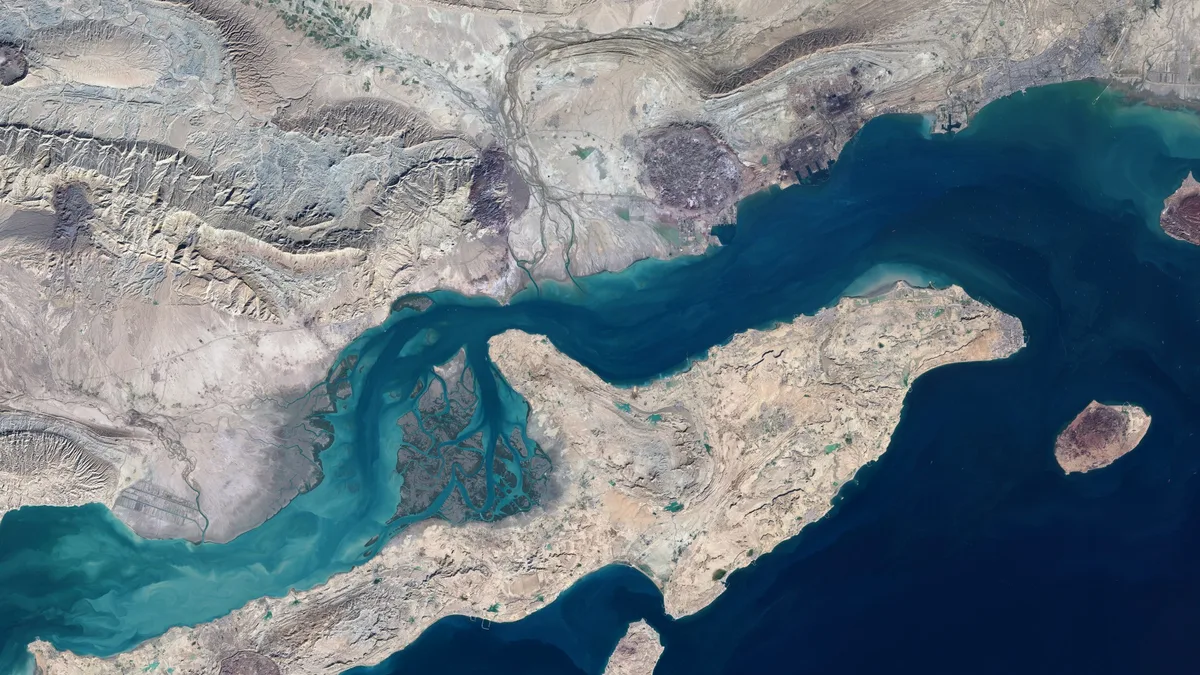
A third round of changes returns to Tehran: Washington wants Iran's highly enriched uranium destroyed and the Strait of Hormuz opened to unrestricted navigation.

- On May 31, despite his promise to make a final decision, Trump left the memorandum of understanding with Iran unsigned.
- Washington now wants Iran's highly enriched uranium destroyed and the Strait of Hormuz opened to unrestricted navigation.
- This is the third round of American changes to the draft, now returned to Tehran, with no response by evening.
- The draft envisions a sixty-day memorandum that would extend the ceasefire and launch talks on the nuclear program.
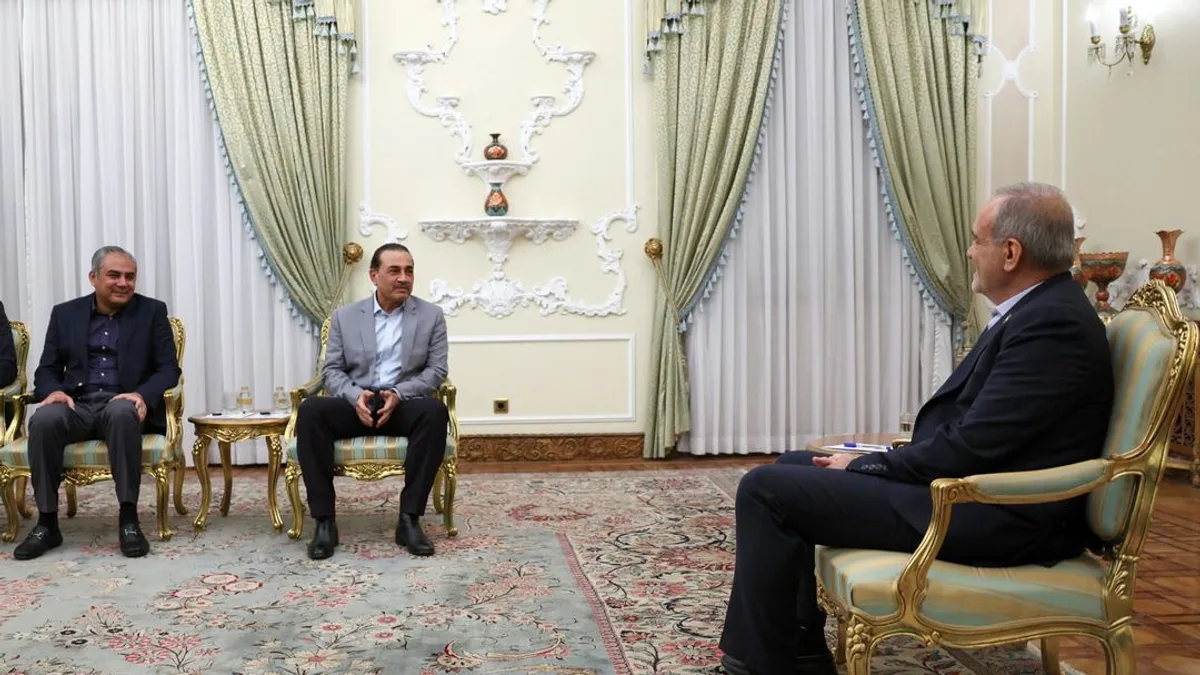
For Serbia, which increasingly measures its energy and foreign-policy calculus through oil prices and the stability of the Gulf, every fresh turn in the Washington-Tehran negotiations carries concrete weight. On Saturday, May 31, Donald Trump failed to deliver a final decision on the memorandum of understanding with Iran, even though he had announced on Friday that he would make one, and instead added a new set of changes to the already agreed draft.
The American president is seeking two concessions Tehran has not yet accepted: that Iran’s highly enriched uranium be destroyed and that the Strait of Hormuz be opened to unrestricted navigation. This is the third round of Trump’s amendments, after which the draft was returned to the Iranian side, with no answer from Tehran arriving by the evening.
What exactly does the American draft change?
A senior administration official explained that the latest interventions concern how the United States obtains the nuclear material and the timing of that process. The negotiations are moving slowly, partly because of technical obstacles on the Iranian side, so a response is expected only in about three days.
The draft memorandum currently on the table sets out several steps:
- a sixty-day memorandum of understanding that would extend the ceasefire and open talks on the nuclear program;
- an Iranian commitment not to develop nuclear weapons, with the enriched-uranium stockpile addressed as a priority;
- removal of mines from the Strait of Hormuz within thirty days, with a proportional lifting of the American naval blockade;
- the possibility of sanctions relief and the release of frozen assets if Tehran accepts the terms.
Tehran has been given roughly three days to respond. Trump summed up his calculus with a line that played down the time pressure.
If you’re in a rush, you’re not going to make a good deal.
Why does the fate of the Strait of Hormuz matter for Belgrade?
The Strait of Hormuz is the chokepoint through which a significant share of the world’s oil shipments pass, so any uncertainty over its status shifts energy prices on the markets Serbia relies on as well. An extended ceasefire and a reopened waterway would ease that pressure, while a new stalemate in the talks would have the opposite effect.
A senior administration official signaled that Washington is not prepared to accept a quick but flawed deal.
We’re prepared to wait so the president gets what he’s asking for.
From Brussels, which watches every move in the Gulf closely because of the consequences for the continent’s energy stability, there was no loud reaction, which usually means waiting for the other side’s response before taking a position. For now the draft remains in Tehran, and the three days Iran has at its disposal will decide whether the truce grows into a more durable arrangement or the talks return to square one.
Do you think Tehran will accept the destruction of its enriched uranium, or will it demand new changes to the draft?